What Is a Deep Hole Drilling Machine? Complete Guide to Types, Working Principles, Applications, Selection, and Pricing
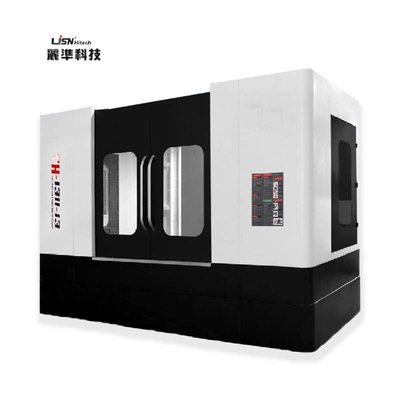
What Is a Deep Hole Drilling Machine?
A Deep Hole Drilling Machine is a specialized CNC machine tool designed to drill holes with a depth that is generally 10 times or more than the hole diameter (L/D ≥10). Unlike conventional drilling equipment, deep hole drilling machines use high-pressure coolant systems and specialized drill tools to ensure continuous chip evacuation, effective cooling, and stable machining throughout the drilling process.
These machines can achieve:
- High dimensional accuracy
- Excellent hole straightness
- Superior surface finish
- Stable machining performance
- Long tool life
- Efficient chip removal
- Reduced secondary machining
Deep hole drilling technology has become indispensable for manufacturers producing high-precision components with complex internal structures.
Types of Deep Hole Drilling Machines
There are several types of deep hole drilling machines, each designed for different hole sizes, production volumes, and applications.
1. Gun Drilling Machine
Gun drilling is the most common solution for producing small-diameter deep holes.
Features
- Hole diameter: approximately 1–40 mm
- Extremely high accuracy
- Excellent straightness
- Smooth internal surface finish
- Suitable for long, small-diameter holes
Typical Applications
- Hydraulic valve bodies
- Fuel injector components
- Medical instruments
- Mold cooling channels
- Automotive precision parts
2. BTA Deep Hole Drilling Machine
BTA (Boring and Trepanning Association) drilling is designed for larger hole diameters and heavy-duty machining.
Features
- Hole diameter: approximately 20–500 mm
- High material removal rate
- Excellent chip evacuation
- Suitable for heavy industrial production
Typical Applications
- Hydraulic cylinders
- Oil & gas equipment
- Large shafts
- Heavy machinery components
- Aerospace structural parts
3. Trepanning Machine
Unlike conventional drilling, trepanning removes only the outer ring of material, leaving a solid core.
Advantages
- Lower cutting forces
- Reduced material waste
- Improved machining efficiency for large holes
Common applications include aerospace, nuclear power, and energy equipment manufacturing.
4. CNC Deep Hole Drilling Machine
Modern CNC deep hole drilling machines integrate advanced CNC controls with automated machining functions.
Key advantages include:
- Automatic programming
- High repeatability
- Stable machining quality
- Multi-axis capability
- Automatic tool changing
- Higher productivity
These machines are ideal for medium- to high-volume production requiring consistent precision.
How Does a Deep Hole Drilling Machine Work?
Deep hole drilling machines combine specialized cutting tools with high-pressure coolant systems to achieve accurate and stable drilling.
Step 1 – Workpiece Clamping
The workpiece is securely fixed on the machine table to eliminate vibration and ensure machining stability.
Step 2 – Tool Positioning
The CNC control system accurately positions the drill according to the programmed coordinates.
Step 3 – High-Pressure Coolant Delivery
Coolant is delivered through the drill to:
- Cool the cutting edge
- Lubricate the cutting zone
- Reduce friction
- Remove chips continuously
Step 4 – Continuous Drilling
The spindle rotates while the drill advances at a controlled feed rate, maintaining stable cutting conditions.
Step 5 – Chip Evacuation
One of the most critical aspects of deep hole drilling is efficient chip removal. Chips are continuously evacuated through dedicated internal channels or flute designs, preventing blockage and ensuring high machining quality.

What Products Can Be Machined with a Deep Hole Drilling Machine?
Deep hole drilling machines are widely used to manufacture precision components across various industries.
Hydraulic Industry
- Hydraulic cylinders
- Cylinder tubes
- Hydraulic manifolds
- Valve blocks
- Piston rods
Automotive Industry
- Fuel rails
- Engine blocks
- Transmission shafts
- Steering components
- Suspension parts
Aerospace Industry
- Landing gear components
- Turbine shafts
- Aircraft structural parts
- Engine components
Mold Manufacturing
- Injection molds
- Die casting molds
- Cooling channels
- Hot runner systems
Oil & Gas Industry
- Drill collars
- Valve bodies
- Pump shafts
- Pressure vessels
Medical Industry
- Surgical instruments
- Bone drills
- Implant components
Industrial Machinery
- Rollers
- Long shafts
- Precision mechanical components
- Machine tool parts
How to Choose the Right Deep Hole Drilling Machine
Choosing the right machine depends on your production requirements and machining objectives.
1. Determine the Hole Diameter
Select a machine capable of covering your required drilling range.
- Small holes → Gun Drilling Machine
- Large holes → BTA Drilling Machine
2. Consider Maximum Hole Depth
Machines are available with different drilling capacities, including:
- 500 mm
- 1,000 mm
- 1,500 mm
- 3,000 mm
- 6,000 mm or more
Choose a model that meets your current and future production needs.
3. Evaluate Workpiece Material
Different materials require different spindle power, tooling, and coolant systems.
Common materials include:
- Carbon steel
- Stainless steel
- Aluminum alloys
- Titanium alloys
- Tool steel
- Nickel-based alloys
4. Production Volume
For prototype production, a standard CNC deep hole drilling machine may be sufficient.
For high-volume manufacturing, consider machines equipped with:
- Automatic loading systems
- Automatic tool changers
- Multi-spindle configurations
- Intelligent monitoring systems
5. Required Accuracy
Evaluate machine specifications for:
- Hole straightness
- Diameter tolerance
- Surface roughness
- Position accuracy
- Repeatability
Industries such as aerospace and medical manufacturing typically require higher precision.
6. CNC Control System
A reliable CNC controller improves machining efficiency and ease of operation.
Look for systems that provide:
- User-friendly programming
- Stable performance
- Remote diagnostics
- Global technical support
- Easy maintenance
7. Manufacturer Support
Choose a supplier that offers:
- Installation and commissioning
- Operator training
- Spare parts availability
- Technical support
- Preventive maintenance
- Warranty service
Reliable after-sales support can significantly reduce downtime and maintenance costs.
How Much Does a Deep Hole Drilling Machine Cost?
The price of a deep hole drilling machine depends on several factors, including drilling capacity, CNC configuration, automation level, and customization.
Typical market prices are:
| Machine Type | Estimated Price (USD) |
|---|---|
| Small Gun Drilling Machine | $20,000–$50,000 |
| CNC Gun Drilling Machine | $50,000–$120,000 |
| Medium CNC Deep Hole Drilling Machine | $120,000–$250,000 |
| BTA Deep Hole Drilling Machine | $150,000–$400,000+ |
| Large Customized Deep Hole Drilling Machine | $300,000–$1,000,000+ |
Factors Affecting Price
- Maximum drilling depth
- Hole diameter capacity
- CNC control system
- Automation level
- Machine rigidity
- High-pressure coolant system
- Tooling configuration
- Brand reputation
- Customization requirements
Although high-end machines require a larger initial investment, they often deliver greater productivity, higher precision, and lower long-term operating costs.
Advantages of Deep Hole Drilling Machines
Compared with conventional drilling equipment, deep hole drilling machines offer several significant advantages:
- Excellent hole straightness
- Superior dimensional accuracy
- Outstanding surface finish
- Efficient chip evacuation
- Longer cutting tool life
- Stable machining quality
- Higher production efficiency
- Reduced secondary operations
- Lower manufacturing costs over time
These advantages make deep hole drilling machines indispensable for producing precision components in demanding industries.
Conclusion
Deep hole drilling machines are essential for manufacturing high-precision components with deep internal holes that cannot be efficiently produced using conventional drilling methods. Whether you choose a Gun Drilling Machine, BTA Deep Hole Drilling Machine, or an advanced CNC Deep Hole Drilling Machine, selecting the right equipment depends on hole size, drilling depth, material, production volume, and required accuracy.
By understanding the different machine types, working principles, applications, and pricing, manufacturers can make informed purchasing decisions and improve production efficiency, product quality, and long-term competitiveness.
As industries continue to demand higher precision and greater productivity, deep hole drilling technology will remain a critical solution for modern manufacturing.
What Is a Vertical Milling Machine? A Complete Guide to Manual & CNC Vertical Milling Machines
Robot Demand Is Growing Rapidly – How Should Manufacturers Respond?
Связанная статья