How to Maximize Milling Efficiency?

Cultivated in CNC Machine Industry for 20+ years.
Specializing in CNC Milling, Drilling, Turning, Tapping, and so on...
Self-created Brand LiSN for 10+ Years



How to Maximize Milling Efficiency?
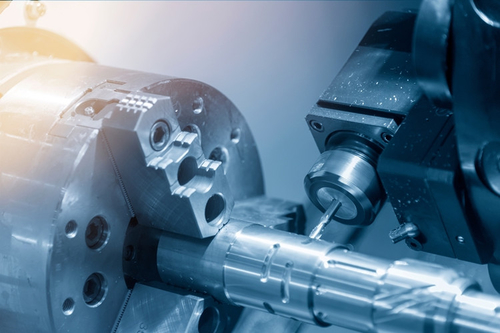
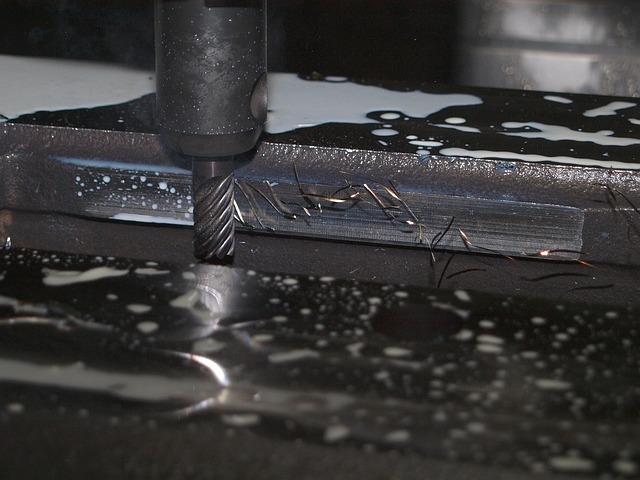
Milling is a common process in manufacturing, and improving milling efficiency is essential for reducing costs and increasing production capacity. This article explains how to maximize milling efficiency by optimizing tool selection, cutting parameters, fixture usage, and multi-part machining for small components.
1. Choose the Right Tools and Cutting Parameters
Different materials require different tools and cutting speeds:
- Steel: Use carbide tools with medium to high cutting speed and moderate feed for a smooth surface finish.
- Aluminum: High-speed steel or coated aluminum-specific tools are recommended, with high cutting speed and higher feed to reduce adhesion and increase efficiency.
- Copper & Brass: Use high-speed steel or coated tools with moderate cutting speed and lower feed to prevent material pulling.
Proper tool change speed is also crucial. Automatic tool changers can significantly reduce downtime and improve continuous processing efficiency.
2. Optimize Small Part Machining
For small parts, consider:
- Reducing Fixtures: Simplify clamping when parts are stable, reducing setup time.
- Multi-part Machining: Process multiple parts simultaneously while maintaining accuracy to maximize machine utilization and save time.
3. Set Proper Cutting Depth and Feed
- Adjust cutting depth and feed according to the material and tool to avoid tool wear or vibration.
- For batch processing, high-performance cutting strategies (HPC) can increase material removal rate while maintaining surface quality.
4. Maintenance and Operator Skills
- Regularly check machine condition and tool wear to ensure stable performance.
- Train operators to understand different material characteristics and adjust parameters quickly, improving overall efficiency.
5. Conclusion
By selecting the right tools, setting cutting parameters properly, optimizing small part processing, and enhancing operator skills, milling efficiency can be significantly improved. Coupled with automated tool changing and multi-part machining, manufacturers can reduce costs while boosting production capacity and competitiveness.
5 Axis CNC Machine User Guide & Maintenance Guide
What is Difference Between 3-axis, 4-axis, and 5-axis Milling?