What Is CNC Vertical Machine Center
автор: Yannis
2025-03-29
What Is CNC Vertical Machine Center
I the vibrant and ever - evolving manufacturing landscape, CNC (Computer Numerical Control) technology has emerged as a game-changer. Among the various CNC machines, the CNC Vertical Machine Center (VMC) stands out as a highly versatile and widely-used tool. Let's take a closer look at what a VMC is, how it works, and why it's so crucial in modern manufacturing.
Decoding the Basics of CNC and VMC
Understanding CNC Technology
CNC represents a revolutionary approach in manufacturing, replacing manual control of machine tools with computer-based automation. A CNC system interprets pre-written programs, usually in G-code format, to precisely control the movement of axes and functions of CNC machines. This technology enables manufacturers to achieve high-precision, repeatable machining operations, significantly enhancing production quality and efficiency.
Defining the VMC
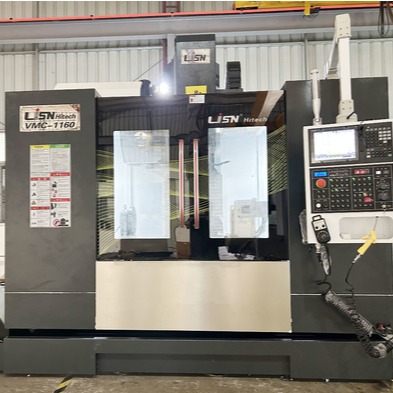
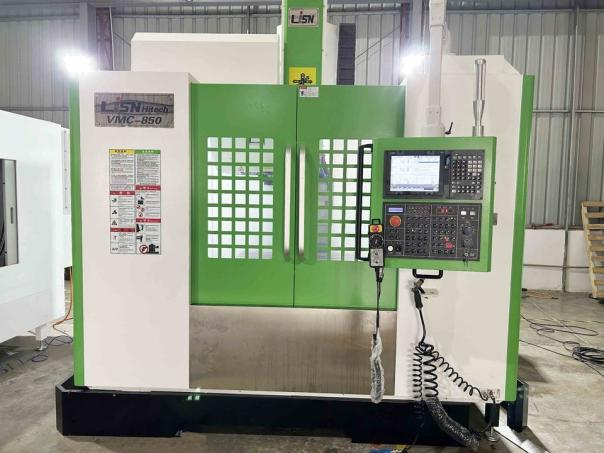
A VMC is a specialized type of CNC machine characterized by its vertically - oriented spindle. The spindle, where the cutting tool is mounted, is perpendicular to the workpiece table. This unique design offers several advantages, making VMCs suitable for a wide range of machining applications.

Structure and Functionality of VMCs
Key Components
- Spindle Assembly: The spindle in a VMC rotates the cutting tool at high speeds. Modern VMCs can achieve spindle speeds ranging from a few thousand to over 20,000 RPM. This high-speed rotation allows for efficient material removal, enabling the machining of various materials, from soft plastics to hardened metals.
- Worktable: The worktable, which moves along the X and Y axes, provides a stable platform for the workpiece. Many VMCs are equipped with precision ball-screw drives, ensuring smooth and accurate movement. Some advanced models even feature a fourth axis (rotary axis), expanding the range of complex geometries that can be machined.
- Automatic Tool Changer: Most VMCs come with an automatic tool changer (ATC). This feature allows the machine to quickly switch between different cutting tools, such as end mills, drills, and taps. The ATC can hold anywhere from a dozen to several dozen tools, reducing downtime during machining and enabling multiple operations to be performed on a single workpiece.
How VMCs Operate
VMCs operate under the control of a CNC system. Skilled operators use computer-aided design (CAD) and computer - aided manufacturing (CAM) software to create a digital model of the part to be machined. The CAM software then generates the G-code program, which is loaded into the CNC control unit of the VMC. The control unit interprets the G-code and sends signals to the motors that drive the spindle, worktable, and tool changer, precisely controlling their movements to shape the workpiece.

VMCs vs HMCs (Horizontal Machining Centers)
Design Differences
While VMCs have a vertical spindle orientation, HMCs feature a horizontally - oriented spindle. In an HMC, the workpiece is typically placed on a pallet that can rotate and move along multiple axes. The horizontal spindle design of HMCs provides better chip evacuation due to gravity, as chips fall away from the cutting area. In contrast, VMCs offer easier access to the top and sides of the workpiece, making them ideal for certain types of machining operations.
Application Differences
VMCs are commonly used in industries such as electronics, mold and die-making, and general machining. In the electronics industry, their ability to machine small, intricate parts with high precision is highly valued. In mold and die - making, VMCs can create complex cavities and surfaces required for molds. On the other hand, HMCs are more suitable for machining large and heavy workpieces. They are widely used in the aerospace, automotive, and heavy machinery industries, where components like aircraft engine casings, engine blocks, and transmission housings are produced.

Applications of VMCs in Various Industries
Electronics Industry
In the electronics industry, VMCs play a crucial role in manufacturing printed circuit board (PCB) components and enclosures. The high precision and ability to create small, detailed features make VMCs indispensable for this industry. They can machine components with tight tolerances, ensuring the proper functioning of electronic devices.
Mold and Die - Making Industry
VMCs are extensively used in the mold and die - making industry. They can accurately mill the complex shapes and cavities required for molds used in plastic injection molding, die-casting, and forging processes. The automatic tool-changing feature of VMCs allows for seamless transitions between different machining operations, improving production efficiency.

Advantages of VMCs
Precision
VMCs offer exceptional precision. The CNC control system ensures that the cutting tools move with micron-level accuracy, enabling the production of parts that meet tight tolerances. This precision is crucial in industries where even the slightest deviation can lead to product failures.
Versatility
With their ability to perform multiple machining operations, including milling, drilling, tapping, and boring, VMCs are highly versatile. The automatic tool changer further enhances their versatility, allowing for different operations to be carried out on a single workpiece without the need for manual tool changes.
Cost-Effectiveness
For many manufacturers, VMCs offer a cost-effective solution. They are generally more affordable than HMCs, especially for smaller models. Their ability to perform multiple operations in a single setup reduces production costs by minimizing the need for multiple machines and setup changes.

Conclusion
In conclusion, CNC Vertical Machine Centers (VMCs) are an integral part of modern manufacturing. As CNC machines, they combine advanced technology with versatility and precision. Whether it's producing small electronic components or creating complex molds, VMCs play a vital role in driving innovation and productivity across various industries. As technology continues to advance, we can expect VMCs to become even more sophisticated, further enhancing their capabilities and contributing to the growth of the manufacturing sector.


Что такое горизонтальный центр обработки
Что такое обрабатывающий центр
Связанная статья
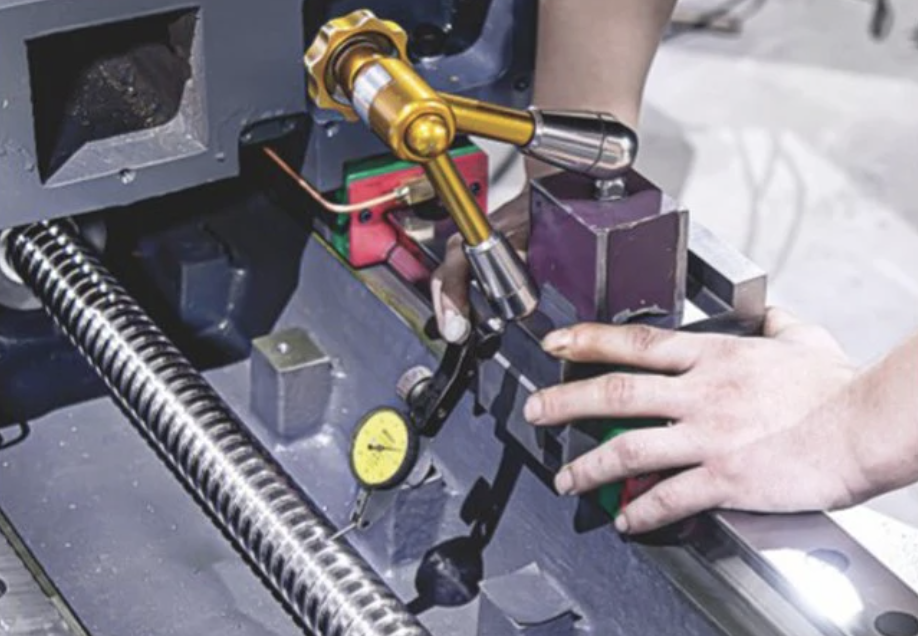
Poor surface finish, inconsistent dimensions, vibration, or an unexpected stop doesn’t always mean something is wrong with your CNC lathe. Worn tooling, poor workholding, and unsuitable cutting parameters can cause many of the same symptoms.
Common problems and solutions for CNC lathes