What is the CNC lathe process?

Cultivated in CNC Machine Industry for 20+ years.
Specializing in CNC Milling, Drilling, Turning, Tapping, and so on...
Self-created Brand LiSN for 10+ Years



What Is the CNC Lathe Process? A Complete Guide for Global Manufacturing
1. What Is a CNC Lathe?
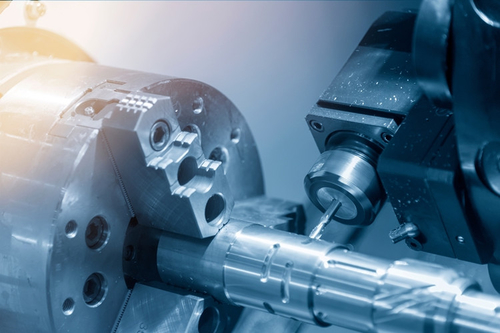
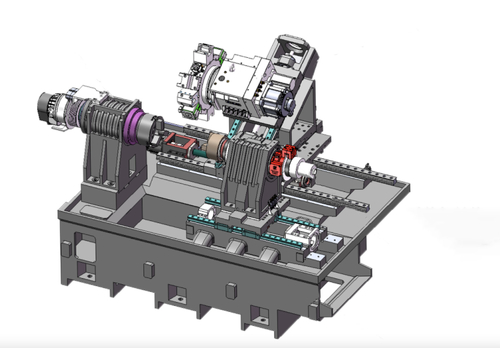
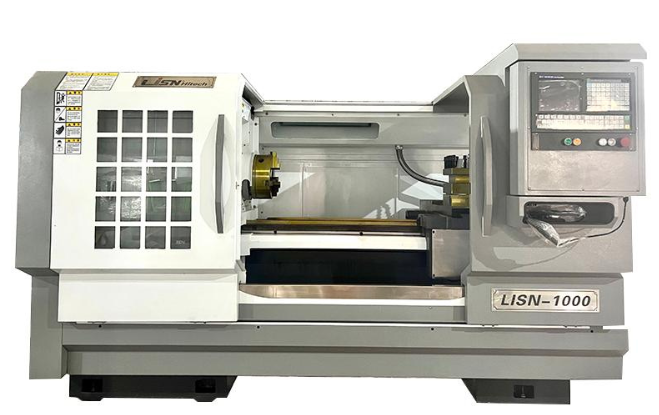
A CNC lathe is a computer-controlled machine tool used to remove material from a workpiece by rotating it against cutting tools. Unlike traditional manual lathes, CNC lathes operate through precise programming, allowing for high accuracy, repeatability, and complex geometries.
Modern CNC lathes can perform multiple operations such as turning, facing, drilling, threading, grooving, and contouring—all with minimal human intervention.
2. What Is the CNC Lathe Process?
The CNC lathe process refers to the programmed machining steps used to shape raw material into a finished part. The process typically involves:
Step 1: Designing the CAD Model
Engineers create a 2D or 3D model using CAD software.
Step 2: Converting CAD to CNC Code
The CAD file is converted into G-code, which tells the lathe how to move, cut, rotate, and feed.
Step 3: Material Setup
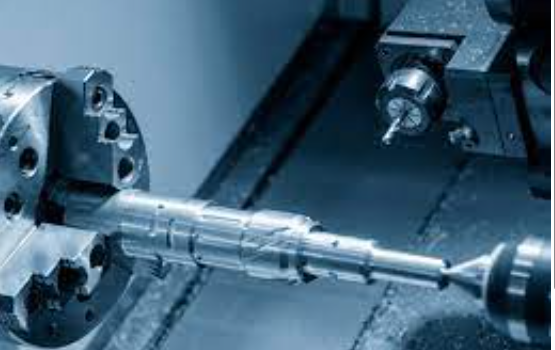
The raw material (metal, plastic, or composite) is clamped securely in the chuck.
Step 4: Automatic Machining
The CNC lathe rotates the material at high speed while cutting tools precisely remove material according to programmed instructions.
Step 5: Inspection and Quality Control
Finished parts undergo strict quality checks to ensure dimensional accuracy and surface finish.
The result is a highly consistent, precise, and cost-effective manufacturing method that supports high-volume production.
3. Industries That Use CNC Lathe Machining
CNC lathe machining is widely used across global industries, especially where precision and durability are critical. Major industries include:
● Automotive Industry
Used for shafts, pistons, gears, brake components, and engine parts.
● Aerospace Industry
Ideal for bushings, turbine components, landing gear parts, and aircraft fastening systems.
● Medical Industry
Applied in surgical tools, implants, dental instruments, and precision micro-components.
● Electronics Industry
Used for connectors, housings, heat sinks, and aluminum or copper components.
● Oil & Gas Industry
Machined components include valves, pipe fittings, sealing parts, and drill bushings.
● Industrial Machinery
Produces rollers, couplings, pulleys, spindles, and machine tool accessories.
CNC lathes are essential for any industry that demands precision, efficiency, and high-quality mass production.
4. Why Choose LiSN CNC Lathes?
When purchasing a CNC lathe, reliability and after-sales support are major concerns. With LiSN, you don’t need to worry.
● Professional Overseas After-Sales Service
LiSN provides dedicated international technical support, including:
-
On-site installation and training
-
Remote diagnostics and troubleshooting
-
Fast spare-part delivery
-
Multilingual service teams
This ensures that your production never stops due to machine issues.
● High-Quality Construction
LiSN CNC lathes are built with stable structures, high precision components, and advanced controllers—ideal for both beginners and large-scale manufacturers.
● Global Standard Compliance
All machines meet international standards, making them suitable for factories in Asia, Europe, the Middle East, Africa, and the Americas.
5. Conclusion
The CNC lathe process is essential for creating precise, repeatable, and complex parts used in nearly every major manufacturing industry. By choosing LiSN CNC lathes, you not only gain advanced machining technology but also enjoy strong overseas after-sales service—ensuring long-term stability and peace of mind for your operations.

how does a cnc machine work
What is a CNC Machine? | Complete Guide to Types, Uses & Industries