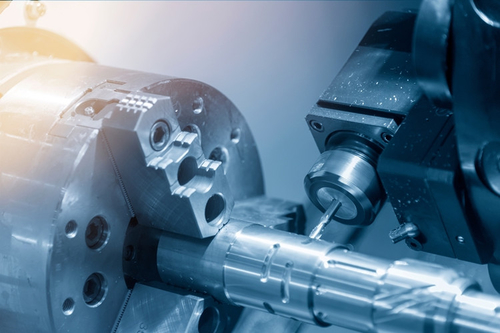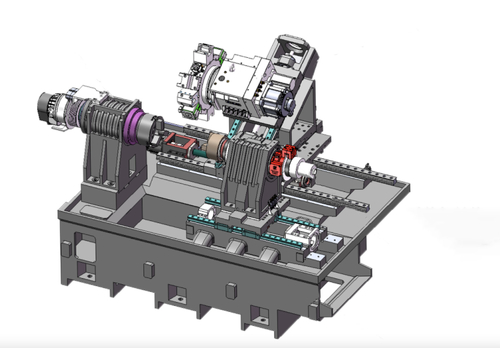
What Is a CNC Vertical Lathe?
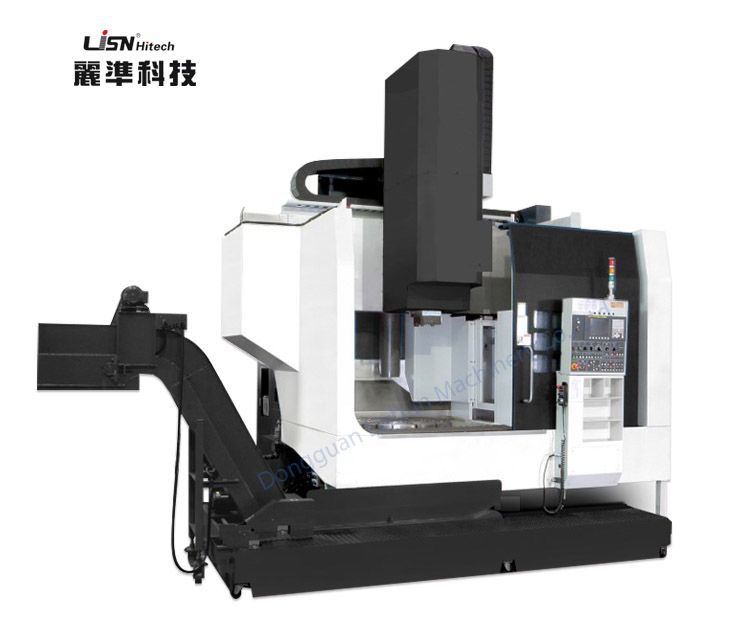
What Is a CNC Vertical Lathe? A Complete Guide to Vertical CNC Turning Technology
Introduction: Understanding CNC Vertical Lathes in Modern Manufacturing
A CNC vertical lathe, also known as a vertical CNC turning lathe or Vertical Turning Lathe (VTL), is an advanced machine tool designed for high-precision machining of large, heavy, or complex workpieces. With the rapid development of CNC machining technology, vertical CNC lathes have become essential equipment in industries such as aerospace, automotive, energy, and heavy machinery manufacturing.
This article provides a comprehensive overview of what a vertical CNC lathe is, how it works, how it differs from a conventional CNC lathe, which industries benefit most, and why LiSN Vertical CNC Lathes are a smart choice.
What Is a Vertical CNC Lathe?
A vertical CNC lathe is a computer numerically controlled turning machine in which the spindle axis is oriented vertically. The workpiece is mounted on a horizontal rotary table, while the cutting tools move along vertical and horizontal axes to perform turning, boring, drilling, threading, and milling operations.
Unlike horizontal lathes, gravity helps stabilize large and heavy parts during machining, making vertical CNC lathes ideal for components with large diameters and relatively short lengths.
Key characteristics of vertical CNC lathes include:
-
Vertical spindle configuration
-
High load-bearing rotary table
-
Excellent rigidity and stability
-
CNC-controlled multi-axis machining
-
High precision and repeatability

Vertical CNC Lathe vs. CNC Lathe: What’s the Difference?
Although both machines are CNC lathes, their structure, application, and performance advantages differ significantly.
| Aspect | Vertical CNC Lathe | Horizontal CNC Lathe |
|---|---|---|
| Spindle orientation | Vertical | Horizontal |
| Workpiece mounting | On a rotary table | Held between chuck and tailstock |
| Best for | Large, heavy, wide-diameter parts | Long, slender parts |
| Chip removal | Gravity-assisted, efficient | Requires chip conveyors |
| Stability | Excellent for heavy parts | Less stable for oversized parts |
| Floor space | More compact footprint | Longer machine length |
In summary:
A vertical CNC lathe is superior for machining large-diameter, high-weight components, while a horizontal CNC lathe is better suited for shaft-type or elongated parts.
How Does a Vertical CNC Lathe Work?
The working principle of a vertical CNC lathe combines CNC control systems with vertical turning mechanics:
-
Workpiece Loading
The workpiece is placed on a horizontal rotary table, often using hydraulic or pneumatic clamping systems. -
Rotary Motion
The table rotates at controlled speeds, acting as the main spindle. -
Tool Movement
Cutting tools move along CNC-controlled axes (X, Z, and sometimes Y or C) to perform machining operations. -
Material Removal
Turning, facing, boring, grooving, drilling, and milling are completed in one setup. -
Precision Control
CNC systems ensure tight tolerances, repeatability, and automated production cycles.
This configuration reduces vibration, improves accuracy, and allows efficient machining of complex parts in a single setup.
Industries That Use Vertical CNC Lathes
Thanks to their strength, precision, and versatility, vertical CNC lathes are widely used across many industries, including:
Aerospace Industry
-
Turbine disks
-
Engine casings
-
Structural aircraft components
Automotive & EV Manufacturing
-
Brake discs
-
Flywheels
-
Gear housings
Energy & Power Generation
-
Wind power bearings
-
Nuclear and thermal power components
-
Oil & gas valves and flanges
Heavy Machinery & Engineering
-
Large bearings
-
Hydraulic components
-
Industrial rollers
Shipbuilding & Rail Transit
-
Wheel hubs
-
Propeller components
-
Large structural parts

Advantages of Vertical CNC Lathes
Choosing a vertical CNC lathe offers multiple operational and economic benefits:
1. Superior Stability
Gravity-assisted clamping ensures excellent stability for heavy and oversized workpieces.
2. Higher Machining Accuracy
Reduced vibration leads to tighter tolerances and better surface finishes.
3. Efficient Chip Removal
Chips fall naturally away from the cutting zone, improving tool life and process reliability.
4. Reduced Setup Time
Large parts can be machined in a single setup, improving productivity.
5. Compact Footprint
Vertical design saves valuable factory floor space.
6. High Automation Capability
Easily integrated with robotic loading, tool changers, and smart manufacturing systems.
Why Choose LiSN Vertical CNC Lathe?
LiSN Vertical CNC Lathes are designed to meet the highest international standards for precision machining, reliability, and productivity. Choosing LiSN means investing in long-term manufacturing excellence.
Key Reasons to Choose LiSN:
-
Robust Machine Structure
High-rigidity cast iron beds and reinforced columns ensure long-term accuracy. -
Advanced CNC Systems
Compatible with leading global CNC controllers for intelligent machining. -
High Load Capacity
Designed specifically for heavy-duty and large-diameter workpieces. -
Customizable Solutions
Tailored configurations for different industries and applications. -
Energy Efficiency & Sustainability
Optimized designs reduce power consumption and operating costs. -
Global Service & Support
Professional technical support and fast-response after-sales service worldwide.
With LiSN, manufacturers gain precision, durability, and competitive advantage in global markets.
Conclusion
A CNC vertical lathe is an indispensable machine tool for modern manufacturing, especially when machining large, heavy, and high-value components. Compared with traditional CNC lathes, vertical CNC lathes offer superior stability, accuracy, and efficiency.
By choosing a LiSN Vertical CNC Lathe, manufacturers can achieve higher productivity, consistent quality, and long-term operational reliability—making it the ideal solution for aerospace, automotive, energy, and heavy industry applications.

What is the universal milling machine?
VMC850 CNC Milling Machine