What is Difference Between 3-axis, 4-axis, and 5-axis Milling?
.
Difference Between 3-axis, 4-axis, and 5-axis Milling
CNC milling machines are classified based on how many directions they can move and rotate during machining. Different axis configurations are used for different levels of part complexity. Below is a clear explanation of 3-axis, 4-axis, and 5-axis milling, with a focus on what types of products each is best suited to manufacture.
What is 3-axis Milling? – For Simple Flat and Prismatic Parts
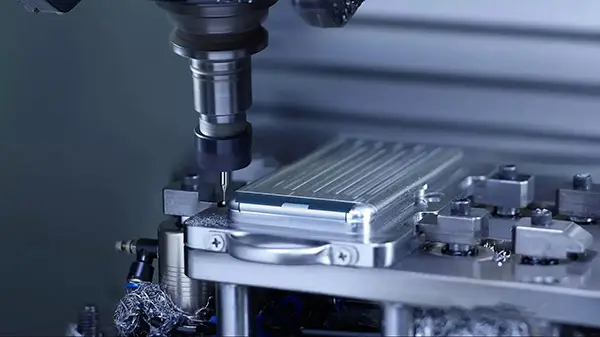
3-axis milling is the most basic form of CNC machining, where the cutting tool moves along three linear axes: X (left–right), Y (front–back), and Z (up–down). The workpiece remains fixed in place while the tool performs all cutting operations from one direction.
This type of machining is mainly used to produce simple and planar components, such as:
- Aluminum plates and brackets
- Machine panels and enclosures
- Base plates and mounting fixtures
- 2.5D parts with pockets, holes, and slots
Because the part does not rotate, complex multi-face features require multiple setups. This makes 3-axis machining ideal for low-cost, straightforward production where part geometry is relatively simple.


What is 4-axis Milling? – For Cylindrical and Multi-Side Parts
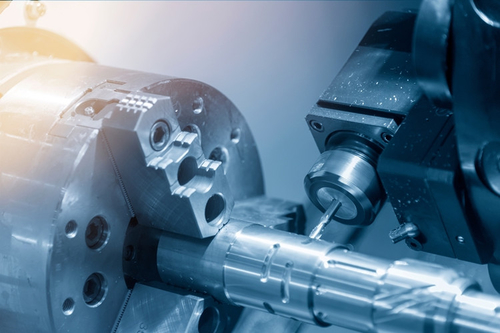
4-axis milling adds a rotational axis (usually the A-axis) to the standard X, Y, and Z movements. This allows the workpiece to rotate during machining, enabling access to multiple sides of the part without manual repositioning.
It is commonly used for producing round and multi-face components, such as:
- Shafts and cylindrical parts
- Gears and cams
- Rotary engraved parts
- Multi-side mechanical components
Compared to 3-axis machining, 4-axis milling improves efficiency by reducing setups and increasing accuracy for rotational parts. It is especially useful when features are distributed around a central axis.


What is 5-axis Milling? – For Highly Complex 3D Precision Parts
5-axis milling includes three linear axes (X, Y, Z) plus two rotational axes, allowing both the tool and workpiece to tilt and rotate freely during machining. This enables the machine to reach almost any surface in a single setup.
It is widely used for manufacturing high-precision and highly complex components, including:
- Aerospace structural parts
- Turbine blades and impellers
- Medical implants (e.g., joints, bone plates)
- Complex molds and dies
-
Freeform 3D surfaces
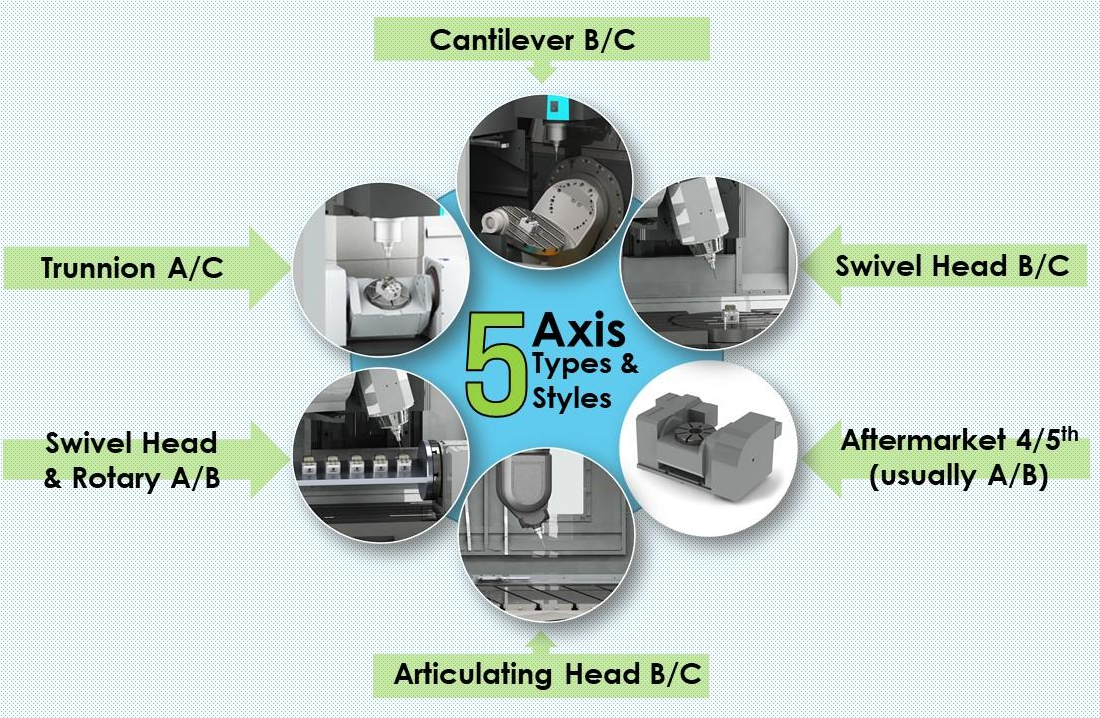
Which Should You Choose?
- Starting in-house machining? → 3-axis is often enough.
- Need multi-side machining without constant re-fixturing? → 4-axis is a strong middle ground.
- Manufacturing complex, high-value parts? → 5-axis offers maximum capability and efficiency.
If you'd like, tell me:
- What type of parts you plan to produce
- Expected production volume
- Materials (aluminum, steel, titanium, plastics, etc.)
I can recommend the most practical option for your situation.
5-axis machining is ideal when parts require complex geometry, high accuracy, and minimal setup changes, making it the most advanced and efficient CNC milling method.
How to Maximize Milling Efficiency?
The Application and Development Trend of CNC Turning and Milling Machines