how does a cnc machine work
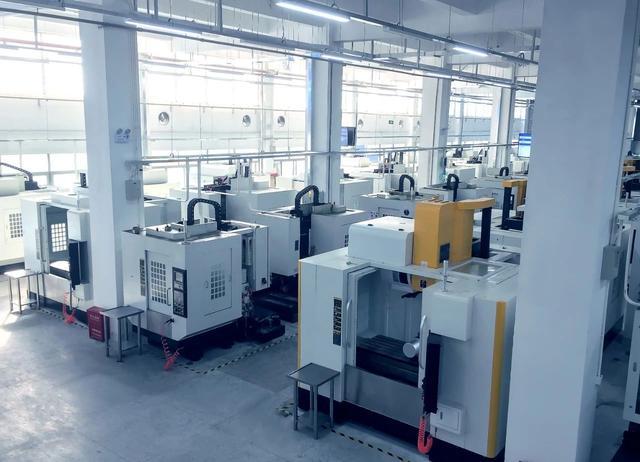

Cultivated in CNC Machine Industry for 20+ years.
Specializing in CNC Milling, Drilling, Turning, Tapping, and so on...
Self-created Brand LiSN for 10+ Years



How Does a CNC Machine Work? | CNC Machine Types, Applications & Why Choose LiSN
1. How Does a CNC Machine Work?
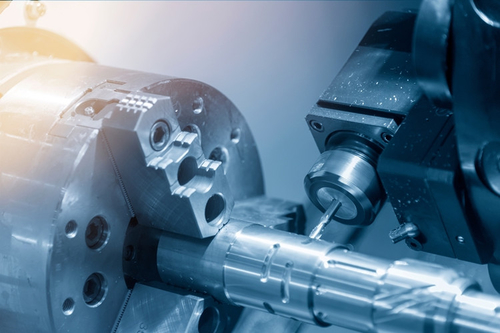
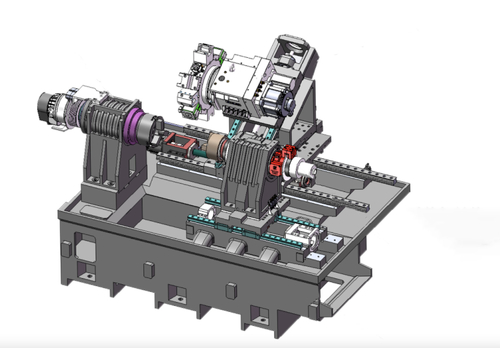
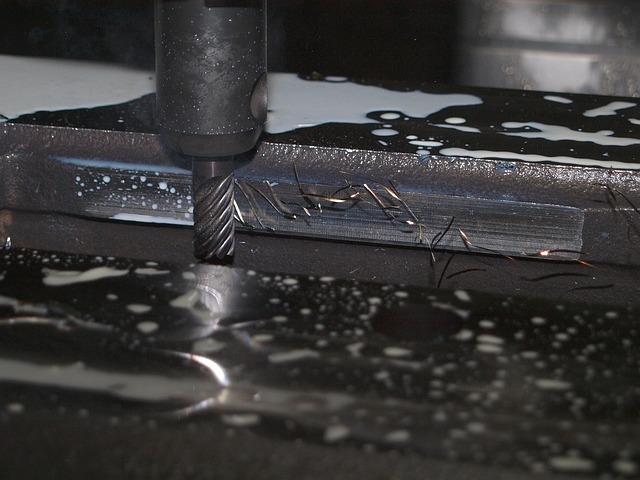
A CNC (Computer Numerical Control) machine operates by converting digital design data (CAD/CAM) into precise machine commands. Through G-code, the CNC controller drives the servo motors, spindle, and tool paths along multiple axes (X/Y/Z), enabling high-precision cutting, drilling, milling, or turning.
Modern CNC systems also include real-time sensors, automatic compensation, and repeatable accuracy, making them essential for advanced manufacturing worldwide.
2. Types of CNC Machines
The most common CNC machine categories include:
● CNC Lathe
Used for: shafts, sleeves, round parts
Features: fast turning, threading, high material removal rate
● CNC Milling Machine / Machining Center
Used for: molds, components, plates, precision parts
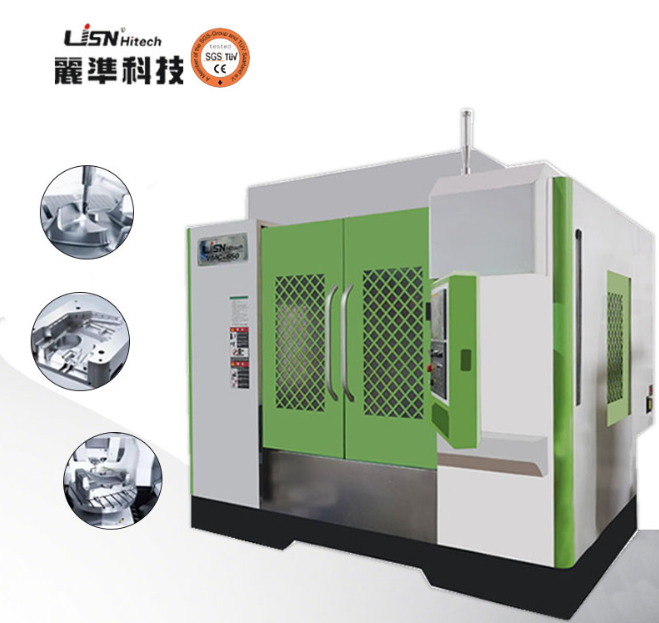
Features: 3-axis / 4-axis / 5-axis cutting, drilling, tapping, contour machining
● CNC Laser Cutter
Used for: sheet metal, signage, industrial fabrication
Features: high speed, narrow kerf, suitable for thin to medium plates
● CNC Plasma Cutter
Used for: structural steel, heavy-duty metal processing
Features: strong cutting capability for thick materials
● CNC Grinding Machine
Used for: precision surface finishing, hardened materials
Features: extremely high accuracy and surface quality
3. Comparison of Different CNC Machines & Their Industry Applications
| CNC Machine Type | Advantages | Limitations | Common Industries |
|---|---|---|---|
| CNC Lathe | Fast, stable for round parts | Limited to rotational shapes | Automotive, hardware, hydraulic parts |
| CNC Milling / Machining Center | Versatile, suitable for complex geometry | Higher setup cost | Mold making, aerospace, electronics |
| Laser Cutting Machine | High-speed, clean edges | Not ideal for very thick metals | Sheet metal fabrication, advertising, machinery |
| Plasma Cutting Machine | Strong thick-plate cutting ability | Lower precision than laser | Construction, shipbuilding, heavy industry |
| CNC Grinder | Ultra-high precision | Slow processing | Precision instruments, bearing industry |
Each CNC machine serves a unique purpose, enabling manufacturers to choose the best solution based on accuracy, material, and production volume.
4. Why Choose LiSN CNC Machines?
For buyers searching worldwide—whether in North America, Europe, Southeast Asia, or the Middle East—LiSN provides:
● Professional Overseas After-Sales Service
LiSN offers global technical support, including online diagnostics, spare parts supply, remote training, and optional on-site service. Purchasing a LiSN CNC machine means you never need to worry about after-sales issues.
● Reliable Quality & Stable Performance
Our machines are built for long-term industrial use, ensuring accuracy, durability, and low maintenance cost.
● Complete CNC Solutions
From CNC lathes to 5-axis machining centers and metal cutting systems, LiSN delivers customized solutions for your manufacturing needs.
5. Conclusion
Understanding how a CNC machine works and the differences between machine types helps manufacturers choose the right equipment for their industry. With LiSN’s advanced CNC technology and strong global after-sales support, you can confidently invest in a machine that delivers precision, efficiency, and long-term value.

What Are CNC Machines?
What is the CNC lathe process?