What is the difference between a 3-axis and a 5-axis CNC milling machine?

Cultivated in CNC Machine Industry for 20+ years.
Specializing in CNC Milling, Drilling, Turning, Tapping, and so on...
Self-created Brand LiSN for 10+ Years



1. What is the difference between a 3-axis and a 5-axis CNC milling machine?
The main difference between a 3-axis CNC milling machine and a 5-axis CNC milling machine is the number of movement directions available during machining.
A 3-axis CNC machine moves along three linear axes: X, Y, and Z. It can machine parts from the top but usually requires multiple setups to access different sides of a workpiece.
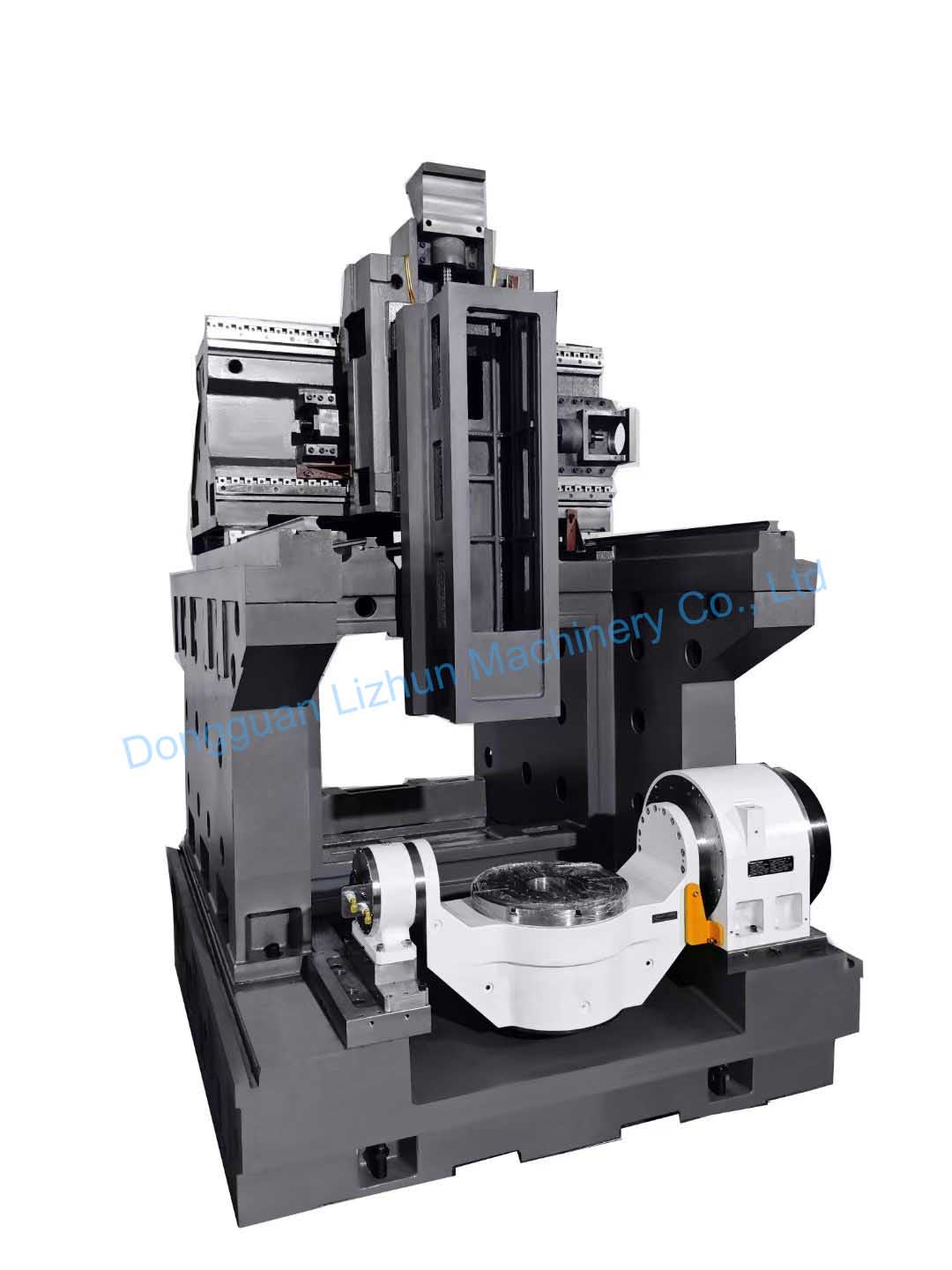
A 5-axis CNC milling machine, on the other hand, adds two rotational axes (A, B, or C), allowing the cutting tool to approach the workpiece from many different angles. This makes it possible to machine complex geometries in a single setup, improving accuracy and efficiency.
2. What does 3+2 axis machining mean?
3+2 axis machining refers to a machining method where a 5-axis CNC machine positions the workpiece using two rotational axes, and then performs cutting with the three linear axes.
In this process, the machine rotates the part to a specific angle and locks the position, while the cutting is done using standard 3-axis movements.
This method is often used when manufacturers need to machine angled surfaces, multiple sides of a part, or complex pockets, but do not require full simultaneous 5-axis movement.

3. What is simultaneous 5-axis cnc machine ?
Simultaneous 5-axis machining means that all five axes move at the same time during the cutting process.
The cutting tool continuously adjusts its angle and direction while machining the workpiece. This allows manufacturers to produce highly complex shapes and smooth curved surfaces, which are commonly required in industries such as aerospace and medical manufacturing.
Compared with 3+2 machining, simultaneous 5-axis machining provides greater flexibility and better surface quality.
4. What are the advantages of using a 5-axis CNC milling machine?
A 5-axis CNC milling machine offers several advantages compared with traditional machining methods.
Key benefits include:
-
Reduced setup time because multiple sides of a part can be machined in one setup
-
Higher precision due to fewer repositioning errors
-
Improved surface finish thanks to optimized tool angles
-
Better tool life because shorter cutting tools can be used
-
Higher productivity for complex parts
These advantages make 5-axis machining ideal for high-precision and complex components.
5. What industries commonly use 5-axis CNC machining?
5-axis CNC machining is widely used in industries that require high precision and complex geometries.
Some of the most common industries include:
-
Aerospace manufacturing (turbine blades, structural components)
-
Automotive industry (performance parts and molds)
-
Medical device manufacturing (implants and surgical tools)
-
Mold and die manufacturing
-
Energy and power generation
These industries rely on 5-axis machining to produce high-performance components with tight tolerances.
6. Is 5-axis CNC machining more expensive?
Yes, 5-axis CNC machining equipment is generally more expensive than traditional 3-axis machines because it requires advanced mechanical design, control systems, and programming.
However, in many cases it can reduce overall production costs because:
-
fewer setups are required
-
machining time is reduced
-
complex parts can be produced in a single operation
For complex components, 5-axis machining can actually be more cost-effective in the long run.
7. When should you choose 3+2 machining instead of simultaneous 5-axis machining?
3+2 machining is often the better choice when:
-
the part mainly contains angled surfaces
-
full 5-axis movement is not necessary
-
the machining process needs to be simpler and more stable
-
programming time needs to be reduced
For extremely complex curved surfaces or freeform geometries, simultaneous 5-axis machining is usually the better solution.
The Application and Development Trend of CNC Turning and Milling Machines
CNC Lathe Machine Manufacturer in China | CNC Turning Machine Supplier & CNC Lathe Factory