What is a parallel lathe?
What is a Parallel Lathe?
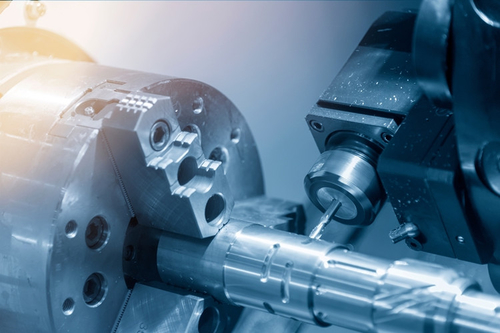
A parallel lathe is a type of machine tool used for machining operations, especially for turning and shaping materials like metal, wood, or plastic. It is widely used in industrial settings and operates by rotating the workpiece against a cutting tool, removing material to create precise cylindrical shapes.
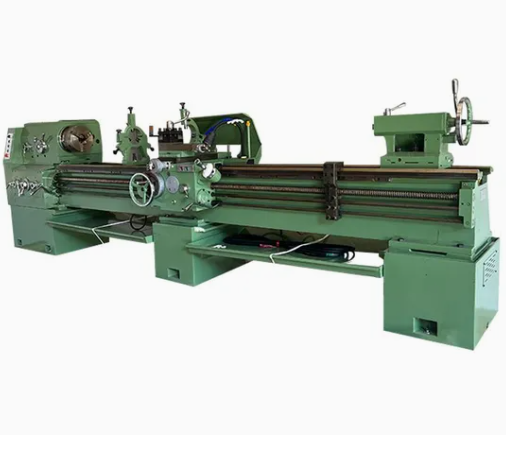
Though the term "parallel lathe" isn't commonly used in modern industrial terminology, when mentioned in the context of lathes, it likely refers to a conventional lathe where the axis of the workpiece (spindle) is parallel to the bed of the machine. This is in contrast to other types of lathes such as turret lathes or CNC lathes.
Key Components:
-
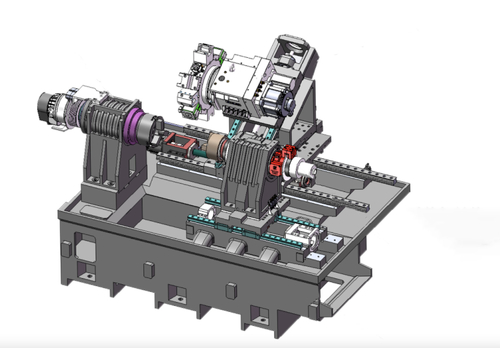
Headstock: Houses the motor and the spindle that holds and rotates the workpiece.
-
Tailstock: Supports the opposite end of the workpiece, offering stability during the cutting process.
-
Bed: The foundation of the lathe, where the headstock, tailstock, and carriage are mounted. It provides the machine’s overall stability.
-
Carriage: Holds the cutting tool and moves it along the length of the workpiece during the machining process.
-
Cross-slide: Allows the cutting tool to move perpendicular to the workpiece’s axis, adjusting the depth of the cut.
Applications:
-
Turning: Shaping cylindrical parts by removing material from the workpiece.
-
Facing: Making the ends of the workpiece flat by removing material.
-
Thread cutting: Creating threads on the workpiece for screws or bolts.
-
Boring: Enlarging an existing hole in the workpiece.
In simple terms, a parallel lathe refers to a standard lathe machine where the cutting tool moves parallel to the axis of the rotating workpiece. It is one of the most basic and essential tools for precision machining in many industries.
How does a CNC lathe work?
What Is a Vertical Milling Machine?