What is the main use of a CNC machine?
How a CNC Machine Works
A CNC machine operates by interpreting digital code (G-code). This code controls the movement of tools and machinery to perform specific operations such as cutting, drilling, turning, and shaping. Because no manual intervention is needed during the machining process, the final parts maintain consistent high accuracy.
Types of Common CNC Machines in Manufacturing
The most widely used CNC equipment in precision machining includes the cnc milling machine, turning machine, and drilling machine. Each machine performs different operations and is suitable for various part geometries and materials.
1. CNC Milling Machine
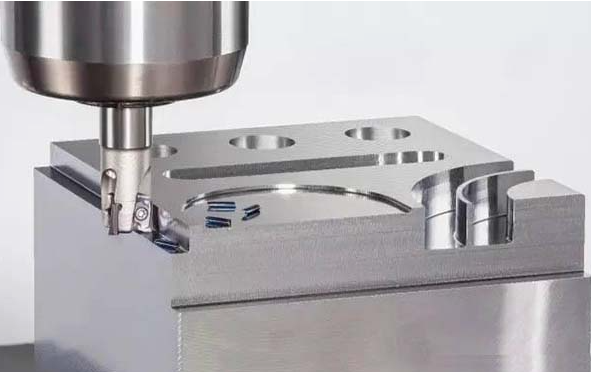
A cnc milling machine uses rotating cutting tools to remove material from a workpiece.
Key Characteristics:
-
Ideal for complex and multi-surface shapes
-
Capable of slotting, contouring, and face machining
-
Supports multi-axis operation (3-axis, 4-axis, and 5-axis)
Typical Parts Produced:
-
Engine housings
-
Precision molds
-
Metal and plastic structural parts
-
Heat sink and mechanical brackets
.
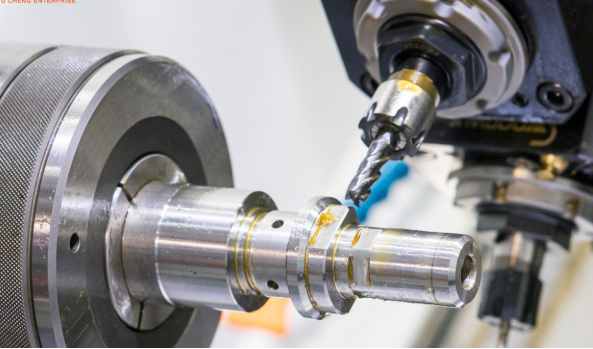
2. Turning Machine (CNC Lathe)
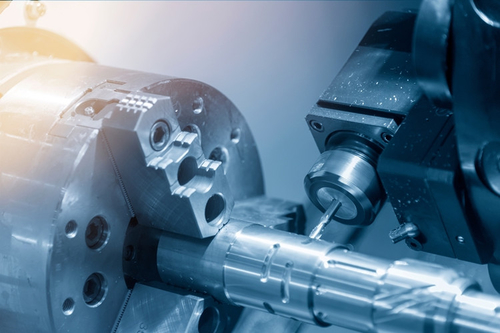
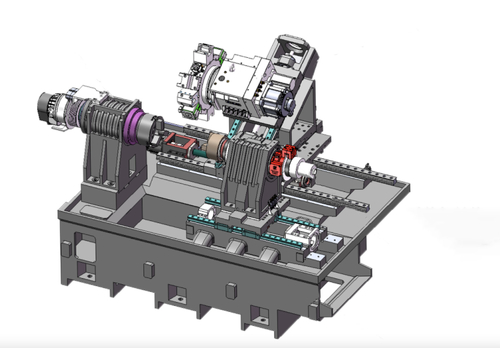
A turning machine rotates the material while a cutting tool removes material to form cylindrical shapes.
Key Characteristics:
-
Used for round or symmetrical components
-
High speed and excellent surface finish
-
Efficient for mass production
Typical Parts Produced:
-
Shafts
-
Bushings
-
Pipes and tubes
-
Screws and threaded rods
3. Drilling Machine (CNC Drilling)
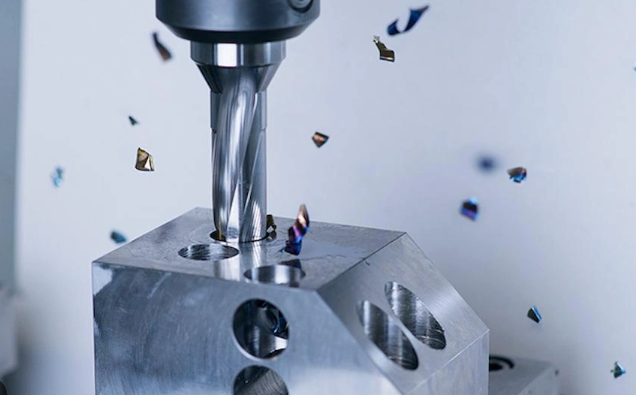
A drilling machine produces accurate and consistent holes in materials.
Key Characteristics:
-
Designed for hole making, tapping, and reaming
-
Capable of producing holes of controlled depth and angle
-
Often used alongside cnc milling machine operations
Typical Parts Produced:
-
Circuit board holes
-
Hardware mounting holes
-
Precision connector openings
-
Engine block oil channels
Key Differences Among These CNC Machines
| Machine Type | Motion Pattern | Best For | Typical Part Shapes |
|---|---|---|---|
| CNC Milling Machine | Tool rotates, workpiece stays fixed | Complex 3D surfaces | Cubical/contoured parts |
| Turning Machine | Workpiece rotates | Round components | Cylindrical shapes |
| Drilling Machine | Tool moves vertically into material | Hole and bore processing | Parts requiring drilled features |
Each machine has its unique role. In many production environments, multiple CNC machines work together to complete a single assembly part.
Conclusion: Why CNC Machines Are Essential Today
The primary use of a CNC machine is to create precise, reliable, and repeatable parts that meet strict industrial tolerances. By combining the capabilities of cnc milling machines, turning machines, and drilling machines, manufacturers can produce components for every modern industry with efficiency and accuracy. As global manufacturing continues to evolve, the demand for high-precision machining will further reinforce the importance of CNC machines in the industrial world.
Definition and Working Principle of a Parallel Lathe
How does a CNC lathe work?