What is the difference between a manual lathe and a CNC lathe?

Cultivated in CNC Machine Industry for 20+ years.
Specializing in CNC Milling, Drilling, Turning, Tapping, and so on...
Self-created Brand LiSN for 10+ Years



Manual Lathes and CNC Lathes
From standard 2-axis machines to advanced multi-axis turning centers, both manual lathes and CNC lathes offer remarkable versatility and efficiency in part manufacturing. Evolving from traditional lathes, CNC technology has transformed the manufacturing industry by making the production of complex and high-precision components easier and more reliable. By understanding the different types of lathes and their capabilities, manufacturers can select the right CNC lathe for their needs and significantly improve production efficiency.
Conventional Lathes vs. CNC Lathes
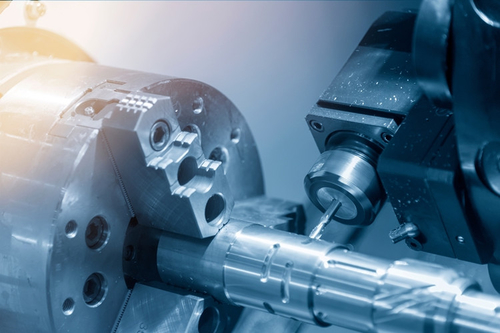
Traditionally, machine shops relied on engine lathes and turret lathes. These machines are designed to machine cylindrical and conical parts such as shafts, rings, wheels, holes, and threads. The most common operation involves removing material from a rotating workpiece using cutting tools. Conventional lathes typically hold one or two tools at a time, while turret lathes feature a multi-tool turret, although their machining capability is generally more limited.
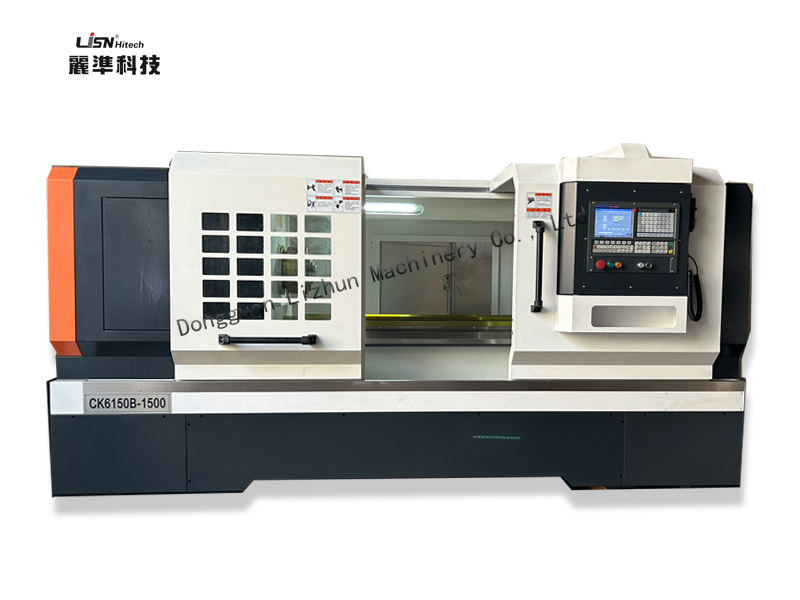
In modern manufacturing, CNC lathes (also known as CNC turning centers) have become increasingly common. They can perform a wide range of operations, including turning, boring, drilling, tapping, knurling, and even polishing. CNC lathes support various workholding methods such as chucking, collet work, and bar feeding, offering excellent flexibility. They are designed to hold multiple tools on a turret and often include milling attachments, indexing chucks, auxiliary axes, tailstocks, and steady rests.
Types of CNC Lathes
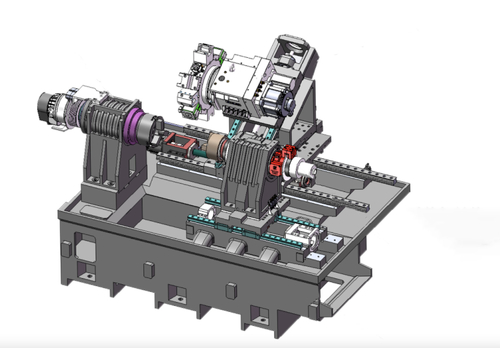
CNC lathes are classified by structure and number of axes. The two main structural types are vertical CNC lathes and horizontal CNC lathes, with horizontal machines being more common in workshops. Vertical CNC lathes are less common but essential for machining large-diameter workpieces.
By number of axes:
-
2-Axis CNC Lathes: The simplest and most common type, suitable for basic turning and boring.
-
3-Axis CNC Lathes: Add an additional axis for more complex machining.
-
4-Axis and 6-Axis CNC Lathes: Provide greater flexibility for complex parts, allowing simultaneous operations and reduced setup time.
Horizontal CNC lathes by layout:
-
Front Turret Lathes: Standard design with the turret positioned in front of the workpiece.
-
Rear Turret Lathes: Often feature a slant-bed design that directs chips away from the operator and toward conveyors.
Advantages of Multi-Axis CNC Lathes
Multi-axis CNC lathes are increasingly popular due to their ability to perform multiple operations in a single setup. This reduces the need for multiple machines and setups, improving both efficiency and accuracy.
Practical Tips for CNC Lathe Operation
-
Tool Management: Proper tool organization minimizes downtime and ensures consistent machining quality.
-
Regular Maintenance: Routine inspections keep machines operating at peak performance.
-
Programming Accuracy: Especially important for multi-axis machining; simulation helps detect potential errors.
-
Safety First: Always follow safety procedures, use protective equipment, and maintain a clean workspace.
Real-World Example
A company producing custom automotive components initially used conventional lathes. As demand for more complex and precise parts increased, they upgraded to CNC turning centers. With CNC lathes, they achieved higher productivity, improved accuracy, and expanded their manufacturing capabilities.
How to Choose the Right Lathe?
Choosing the right lathe depends on your part complexity, production volume, and precision requirements.
Contact LiSN — with over 20 years of experience in lathe manufacturing, a team of professional engineers, and reliable after-sales support, we help you solve every challenge you may face.

VMC850 CNC Milling Machine
What Are CNC Machining Centers?