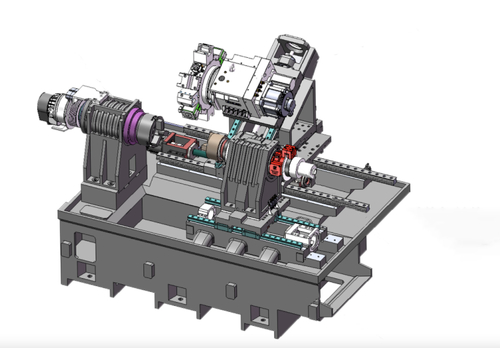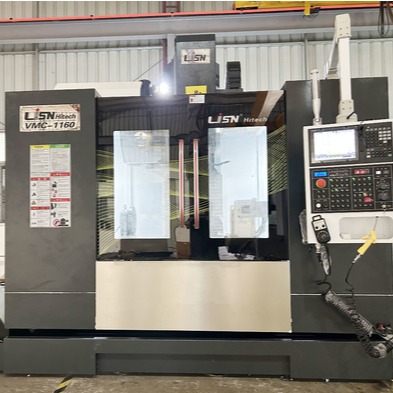
How Do You Explain What CNC Is
author: Yannis
2025-04-16

Cultivated in CNC Machine Industry for 20+ years.
Specializing in CNC Milling, Drilling, Turning, Tapping, and so on...
Self-created Brand LiSN for 10+ Years



How Do You Explain What CNC Is
In the ever-evolving landscape of modern manufacturing, the term CNC frequently pops up, yet many may wonder how to precisely define it. CNC, an abbreviation for Computer Numerical Control, is a revolutionary technology that lies at the heart of CNC machines. This blog aims to demystify CNC, breaking down its core components, operation principles, and its far-reaching impact on the manufacturing world.

Understanding the Basics: What Does CNC Mean?
CNC represents a paradigm shift from traditional manual machining. At its essence, CNC utilizes computers to control the operation of machine tools. Instead of an operator manually adjusting levers and handwheels to guide cutting tools, CNC machines rely on pre-programmed instructions to execute tasks with remarkable precision. These instructions, typically written in standardized codes like G-code and M-code, act as the blueprint for the machine, dictating every movement of its axes, spindle speeds, and tool operations.

The Inner Workings of a CNC System
Key Components
- CNC Controller: This is the brain of the CNC machine. It reads the programmed instructions and interprets them into electrical signals. Modern controllers are powerful, often equipped with advanced processors and user-friendly interfaces, allowing for amless communication between the operator and the machine.
- Servo Motors: These motors are responsible for physically moving the machine's axes. The CNC controller sends signals to the servo motors, which then position the cutting tool or the workpiece with sub-millimeter accuracy. For example, in a CNC milling machine, servo motors precisely move the X, Y, and Z axes to carve out complex shapes.
- Input Devices: Devices like USB drives, Ethernet connections, or the machine's control panel are used to transfer programs to the CNC system. CAD/CAM (Computer-Aided Design/Computer-Aided Manufacturing) software is commonly employed to generate these programs, translating 3D designs into executable instructions.
The Programming Process
The journey of a CNC machine begins with programming. Designers start by creating a digital model of the part using CAD software. This model is then processed by CAM software, which generates the G-code program. The G-code contains detailed instructions such as where to move the tool, at what speed, and how deep to cut. Once the program is uploaded to the CNC machine, the controller reads it line by line, converting each instruction into actions that the machine executes.

CNC vs. Traditional Manual Machining
Precision and Repeatability
CNC machines excel in delivering unparalleled precision. They can consistently produce parts with tolerances as tight as ±0.001mm. In contrast, traditional manual machining heavily depends on the operator's skill, and achieving such consistent accuracy is challenging. For example, a CNC lathe can turn out hundreds of identical shafts with the exact same dimensions, while manual lathes may produce slight variations between parts.
Productivity
Automation gives CNC machines a significant edge in productivity. Once programmed, a CNC machine can run continuously, even 24/7 with minimal human supervision. Automatic tool changers on many CNC machines further boost efficiency by enabling seamless transitions between different machining operations. Manual machining, on the other hand, is limited by the operator's speed and the time-consuming setup for each new task.

Applications of CNC Machines
Automotive Industry
In the automotive sector, CNC machines are indispensable. They are used to manufacture engine blocks, transmission components, and brake parts. The high precision of CNC ensures that these critical components fit perfectly and function efficiently, contributing to the overall performance and safety of vehicles.
Aerospace Industry
Aerospace manufacturing demands the highest levels of precision. CNC machines are employed to produce parts for aircraft engines, wings, and fuselages. From intricate turbine blades to large structural components, CNC technology allows for the creation of parts that can withstand extreme conditions while maintaining lightweight designs.
Medical Device Manufacturing
Medical devices require components with utmost precision. CNC machines are used to fabricate surgical instruments, orthopedic implants, and diagnostic equipment parts. The ability to produce parts with consistent quality and exact specifications is crucial in the medical field, where patient safety is paramount.

Conclusion
In summary, CNC (Computer Numerical Control) is a transformative technology that has revolutionized manufacturing through the automation and precision it brings to CNC machines. From its sophisticated control systems to its wide-ranging applications across multiple industries, CNC continues to drive innovation and efficiency. Understanding what CNC is and how it works provides valuable insights into the modern manufacturing landscape and its future.


What Is A Gantry Machine
Why Is CNC Called CNC
Related Article
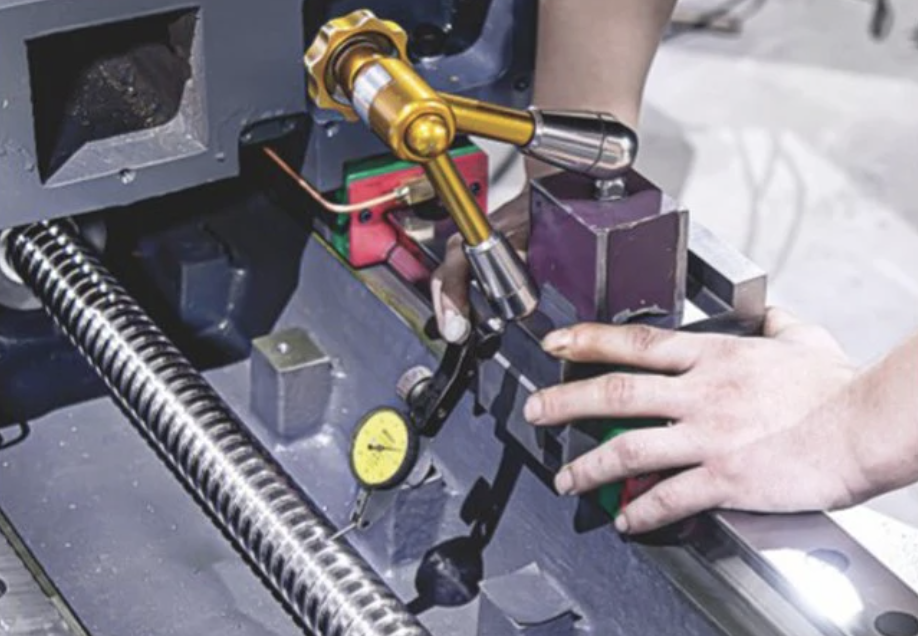
Poor surface finish, inconsistent dimensions, vibration, or an unexpected stop doesn’t always mean something is wrong with your CNC lathe. Worn tooling, poor workholding, and unsuitable cutting parameters can cause many of the same symptoms.
Common problems and solutions for CNC lathes
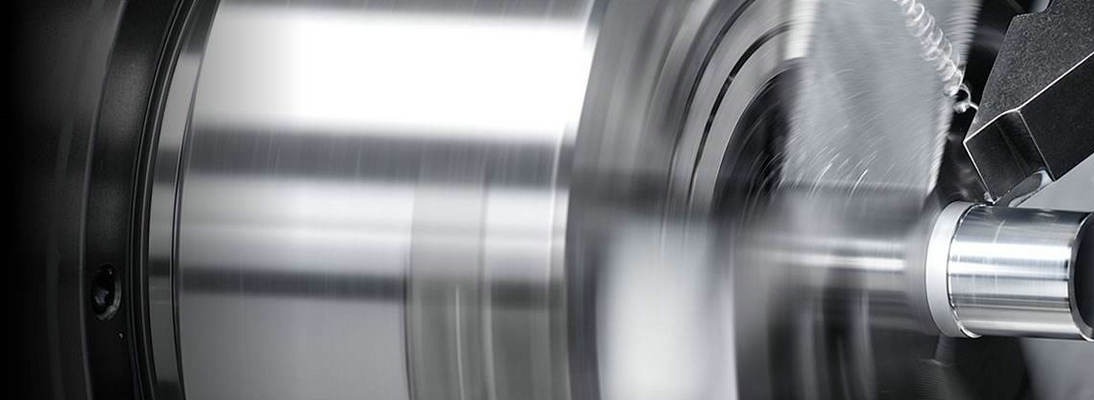
How to Choose a CNC Lathe for Shaft Machining: A Guide to Types, Models, Materials, and Machining Capacity