What Is A Machining Center
author: Yannis
2025-04-19

Cultivated in CNC Machine Industry for 20+ years.
Specializing in CNC Milling, Drilling, Turning, Tapping, and so on...
Self-created Brand LiSN for 10+ Years



What Is A Machining Center
In the fast-paced world of modern manufacturing, CNC (Computer Numerical Control) technology has reshaped the industry, and machining centers are at the forefront of this transformation. As a specialized type of CNC machine, machining centers play a crucial role in various manufacturing processes. This blog will explore what a machining center is, its key features, how it operates, and its significance in today's manufacturing landscape.

Defining the Machining Center
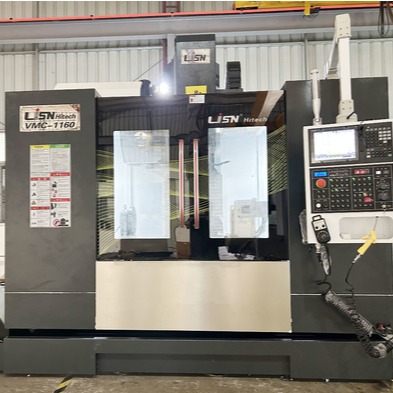
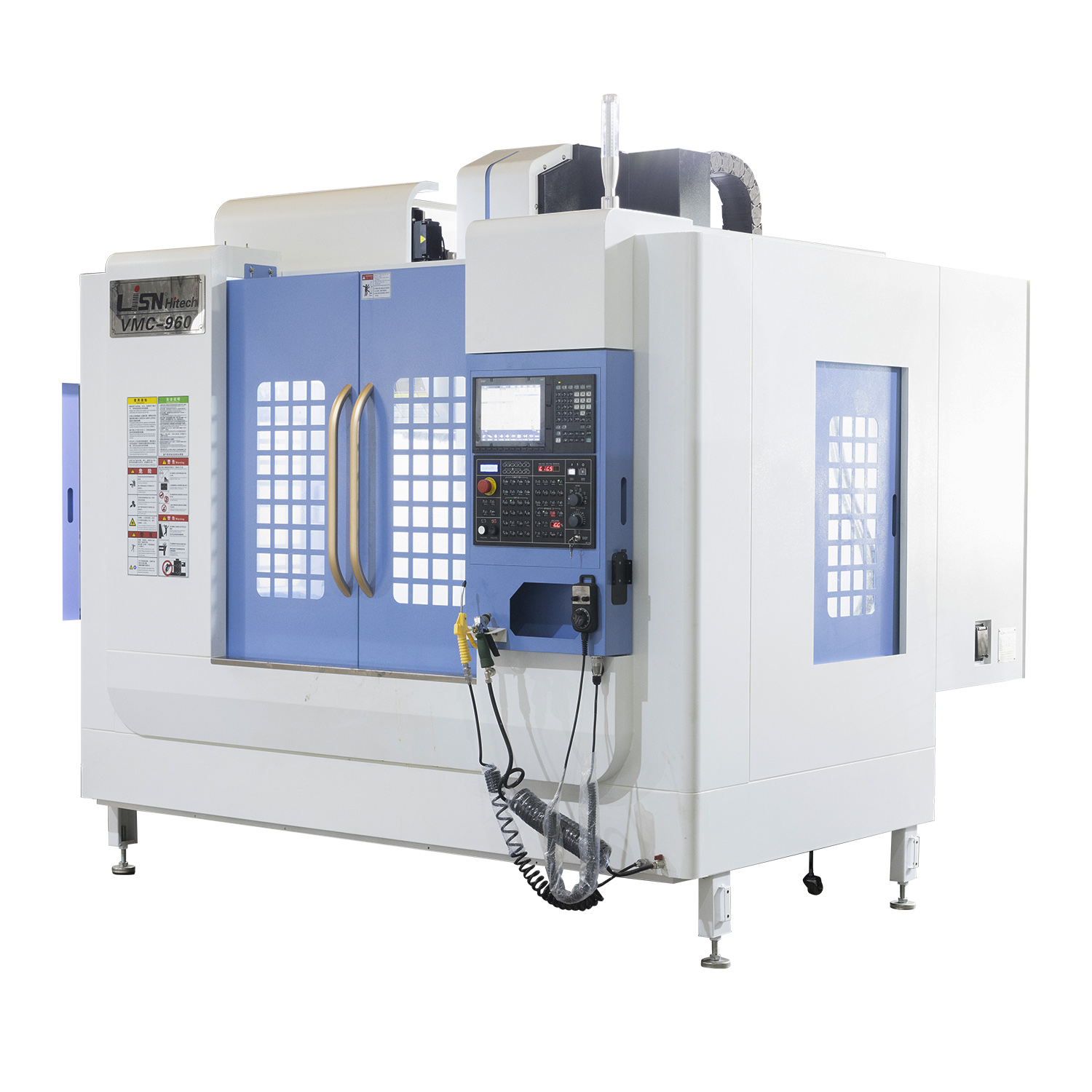
A machining center is an advanced CNC machine designed to perform multiple machining operations on a workpiece within a single setup. Unlike traditional machines that are limited to one or a few specific tasks, machining centers integrate functions such as milling, drilling, boring, tapping, and reaming. This versatility makes them highly efficient, as they can complete complex parts without the need to move the workpiece between different machines. By combining these operations, machining centers reduce production time, increase accuracy, and enhance overall productivity.

Key Components of a Machining Center
Spindle System
The spindle is the heart of a machining center. It holds the cutting tool and rotates it at high speeds, enabling material removal from the workpiece. Modern machining centers feature high-performance spindles that can achieve a wide range of speeds, from a few hundred to tens of thousands of revolutions per minute (RPM). The power and speed of the spindle determine the types of materials it can handle, from soft plastics to hard metals. Additionally, advanced spindle systems often come with automatic tool clamping and unclamping mechanisms, ensuring quick and secure tool changes during the machining process.
Automatic Tool Changer TC)
One of the most distinctive features of a machining center is the Automatic Tool Changer. The ATC stores a variety of cutting tools, typically ranging from 12 to over 100, depending on the size and complexity of the machine. When the CNC program calls for a tool change, the ATC precisely selects the required tool and replaces the current one on the spindle. This automated process takes only a few seconds, minimizing downtime and allowing the machining center to seamlessly switch between different machining operations. The ability to access multiple tools quickly enhances the machine's flexibility and productivity.
Worktable and Axis Configuration
The worktable of a machining center serves as the platform for holding the workpiece. It can move along multiple axes, usually including the X, Y, and Z axes, which control linear movement in three-dimensional space. Some advanced machining centers also incorporate additional rotary axes, such as the A, B, or C axes, enabling more complex and precise machining of intricate geometries. The movement of these axes is controlled by the CNC system, which uses servo motors and feedback devices to ensure accurate positioning of the cutting tool relative to the workpiece.
CNC Control System
The CNC control system is the brain of the machining center. It reads and interprets the G-code programs generated by CAD/CAM software. These programs contain detailed instructions for the machining process, including tool paths, spindle speeds, feed rates, and tool change sequences. The control system sends electrical signals to the various components of the machining center, coordinating their movements to execute the programmed operations. Modern CNC control systems offer user-friendly interfaces, real-time monitoring, and advanced features like error detection and compensation, ensuring high precision and reliability in the machining process.

How a Machining Center Operates
The operation of a machining center begins with the creation of a digital model of the part using CAD software. This model is then processed by CAM software, which generates the G-code program. The G-code is transferred to the CNC control system of the machining center. Once the program is loaded, the CNC control system reads the instructions and commands the spindle to start rotating at the specified speed. The worktable positions the workpiece accurately, and the cutting tool begins to remove material according to the programmed tool paths. When a tool change is required, the ATC automatically replaces the current tool with the appropriate one, and the machining process continues until the part is completed. Throughout the operation, the CNC control system continuously monitors the position and performance of the machine, making real-time adjustments to ensure the quality of the finished product.
Advantages of Machining Centers
Increased Productivity
By performing multiple operations in a single setup, machining centers significantly reduce production time. The elimination of manual tool changes and the need to transfer workpieces between machines minimizes downtime, allowing for continuous operation and higher throughput. This makes machining centers ideal for high-volume production and complex manufacturing tasks.
Precision and Consistency
Thanks to the advanced CNC control and high-precision components, machining centers can produce parts with tight tolerances and consistent quality. The ability to repeat the same machining operations with high accuracy ensures that each part meets the exact specifications, which is crucial in industries such as aerospace, automotive, and medical device manufacturing.
Flexibility
Machining centers offer great flexibility in terms of the types of parts they can produce. With a simple change of the G-code program, a machining center can switch from manufacturing one type of part to another, making it suitable for both small-batch custom production and large-scale manufacturing runs. This adaptability allows manufacturers to respond quickly to changing market demands and customer requirements.

Applications of Machining Centers
Machining centers are widely used in various industries. In the automotive industry, they are used to manufacture engine blocks, cylinder heads, transmission components, and more. In the aerospace sector, machining centers play a vital role in producing critical parts such as turbine blades, aircraft structural components, and landing gear parts. The medical device manufacturing industry also relies on machining centers to create precise components for surgical instruments, implants, and diagnostic equipment. Additionally, machining centers are commonly used in the mold and die making, electronics, and general machinery manufacturing industries.
Conclusion
In summary, a machining center is a highly versatile and efficient that has revolutionized modern manufacturing. Its ability to perform multiple machining operations in a single setup, combined with high precision and flexibility, makes it an essential tool in a wide range of industries. As technology continues to advance, machining centers will likely become even more sophisticated, further enhancing their capabilities and contributing to the growth and innovation of the manufacturing sector.


What Is The Definition of CNC
What Is A Machine Center
Related Article
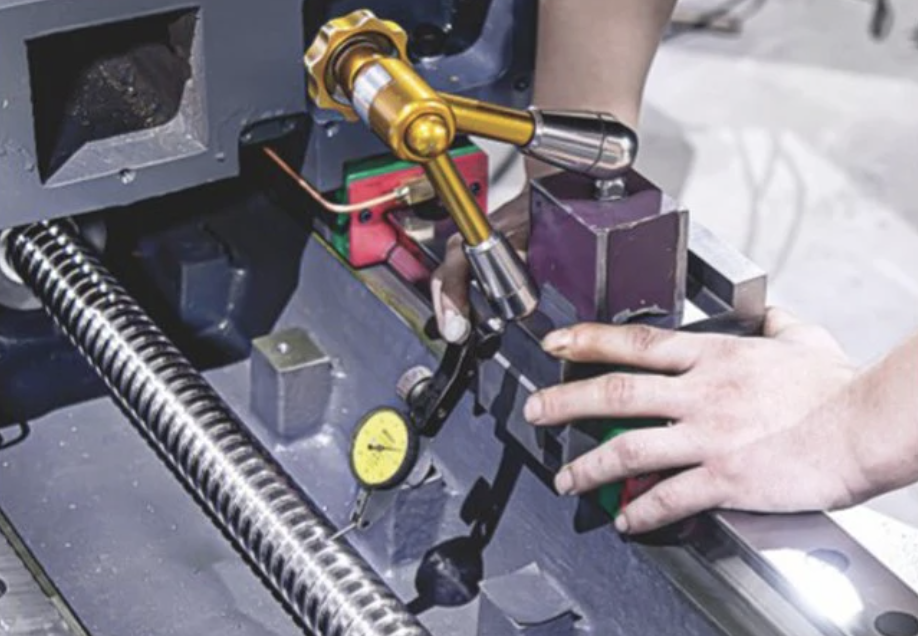
Poor surface finish, inconsistent dimensions, vibration, or an unexpected stop doesn’t always mean something is wrong with your CNC lathe. Worn tooling, poor workholding, and unsuitable cutting parameters can cause many of the same symptoms.
Common problems and solutions for CNC lathes
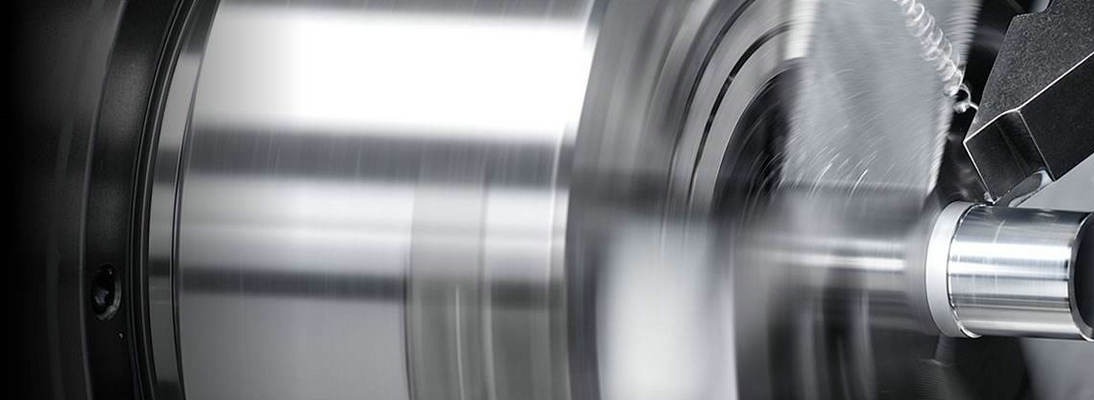
How to Choose a CNC Lathe for Shaft Machining: A Guide to Types, Models, Materials, and Machining Capacity