What is cnc turning and milling machine?


Cultivated in CNC Machine Industry for 20+ years.
Specializing in CNC Milling, Drilling, Turning, Tapping, and so on...
Self-created Brand LiSN for 10+ Years



CNC Turning and Milling Machine: Advanced Multi-Tasking Machining Solution
Introduction
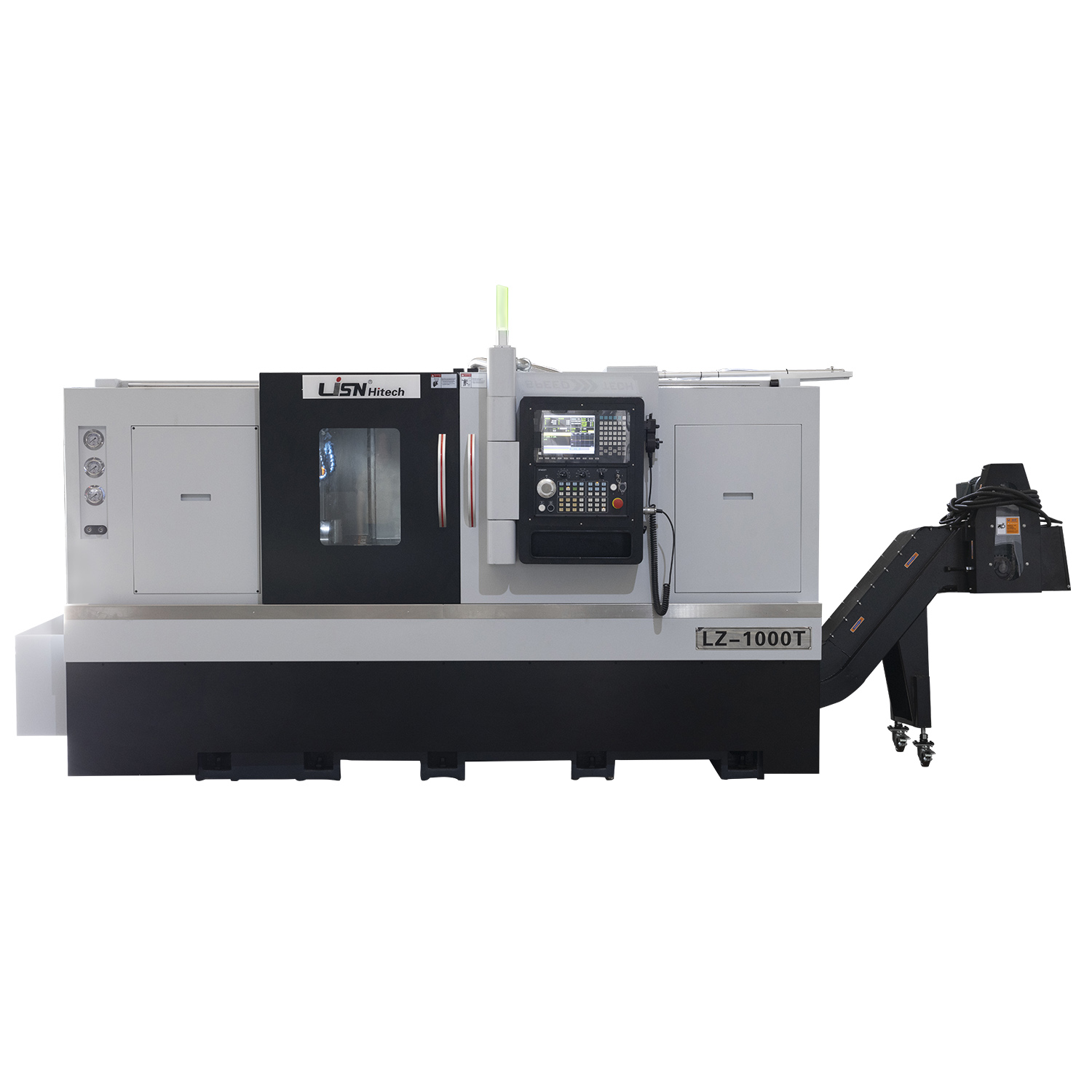
A CNC Turning and Milling Machine, also known as a Turn-Mill Center or Multi-Tasking Machine, integrates both turning and milling functions into a single system. By combining multiple machining processes in one setup, this advanced equipment significantly improves precision, efficiency, and productivity in modern manufacturing.
As industries increasingly demand high precision, reduced lead time, and cost-effective production, CNC turning and milling machines have become a key solution in aerospace, automotive, medical, and precision engineering sectors.
What is a CNC Turning and Milling Machine?
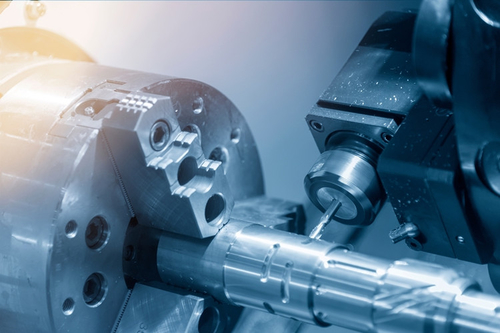
A CNC Turning and Milling Machine is a computer-controlled machine tool capable of performing both rotational (turning) and non-rotational (milling, drilling, tapping) operations without transferring the workpiece to another machine.
Unlike conventional lathes or milling machines, this equipment allows complete machining of complex parts in a single setup.
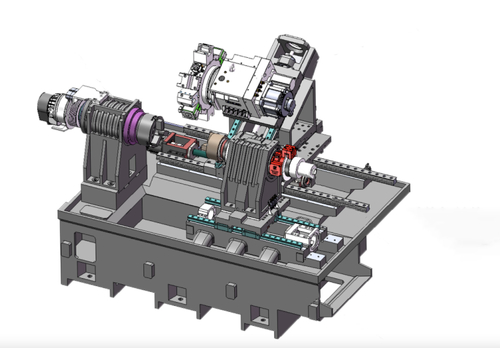
Core Components:
- High-precision spindle system
- Live tooling system
- Multi-axis control (typically 3 to 5 axes or more)
- Automatic tool changer (ATC)
- CNC control system
- Optional Y-axis and sub-spindle
Working Principle
The machine operates by:
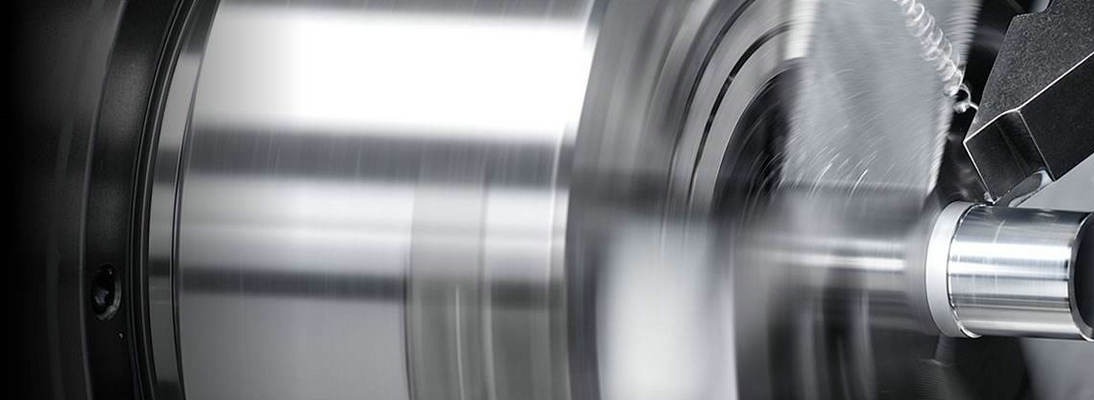
- Rotating the workpiece for turning operations.
- Activating powered tools for milling, drilling, and tapping.
- Using multi-axis movement (X, Y, Z, C, sometimes B axis) to achieve complex geometries.
- Completing multiple processes without reclamping.
This integration reduces positioning errors and ensures superior dimensional accuracy.
Key Features
1. Multi-Process Integration
Turning, milling, drilling, tapping, boring, and threading can all be performed in one machine.
2. High Precision and Stability
One-time clamping minimizes cumulative errors and improves concentricity and alignment.
3. Reduced Production Time
Eliminates the need for transferring parts between machines, reducing setup time and labor cost.
4. Space-Saving Design
Combines two machines into one compact system, saving factory floor space.
5. Suitable for Complex Parts
Ideal for parts with both cylindrical and prismatic features.
Advantages of CNC Turning and Milling Machines
Increased Productivity
By reducing manual handling and setup time, production efficiency is significantly improved.
Improved Surface Finish
Stable machining conditions enhance surface quality.
Lower Overall Cost
Although the initial investment may be higher, long-term operational savings are substantial.
Flexible Manufacturing
Quick program changes allow small-batch and customized production.
Typical Applications
CNC turning and milling machines are widely used in:
- Aerospace structural components
- Automotive transmission parts
- Medical implants and surgical instruments
- Oil and gas precision components
- High-precision mechanical parts
These machines are particularly suitable for industries requiring tight tolerances and complex shapes.
Future Development Trends
With the advancement of smart manufacturing and Industry 4.0, CNC turning and milling machines are evolving toward:
- Intelligent monitoring systems
- Automation integration (robot loading/unloading)
- Real-time data tracking
- Energy-efficient design
- Digital twin technology
These innovations further enhance production efficiency and equipment reliability.
Conclusion
CNC Turning and Milling Machines represent the future of precision machining. By integrating multiple processes into one platform, they provide manufacturers with higher accuracy, improved efficiency, and greater flexibility. As manufacturing standards continue to rise, these multi-tasking machines will play an increasingly important role in modern industry.
2026: Surging Demand for Robot Components – How Machine Shops Can Respond
How to Tell If a CNC Milling Machine Is Good?
Related Article