What Is a Vertical Milling Machine? A Complete Guide to Manual & CNC Vertical Milling Machines


Cultivated in CNC Machine Industry for 20+ years.
Specializing in CNC Milling, Drilling, Turning, Tapping, and so on...
Self-created Brand LiSN for 10+ Years
What Is a Vertical Milling Machine?
A vertical milling machine is one of the most widely used machine tools in modern manufacturing. Unlike a horizontal milling machine, the spindle of a vertical milling machine is positioned vertically, allowing cutting tools to move up and down while the workpiece is secured on the machine table.
Vertical milling machines are widely used to machine metals such as aluminum, steel, stainless steel, titanium, brass, and copper. They are capable of producing high-precision components with excellent surface finishes for industries including aerospace, automotive, medical devices, robotics, mold manufacturing, electronics, and industrial machinery.
Whether for prototype development or high-volume production, vertical milling machines provide excellent flexibility, precision, and efficiency.

Types of Vertical Milling Machines
Vertical milling machines can generally be divided into two major categories:
1. Manual Vertical Milling Machine
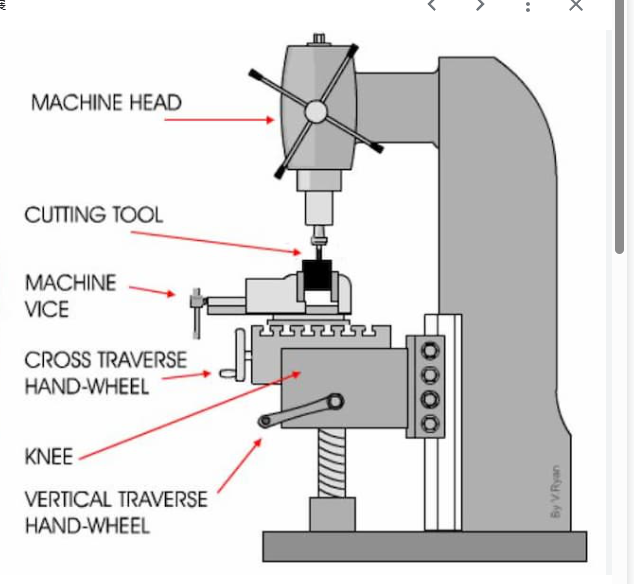
Manual vertical milling machines are operated by machinists using handwheels to control the X, Y, and Z axes.
These machines are commonly used for:
- Repair work
- Tool rooms
- Educational training
- Prototype machining
- Small batch production
Advantages
- Lower purchase cost
- Easy maintenance
- Simple operation
- Suitable for one-off parts
- Ideal for training new operators
Limitations
- Lower machining efficiency
- Operator-dependent accuracy
- Difficult to machine complex geometries
- Less suitable for mass production
2. CNC Vertical Milling Machine
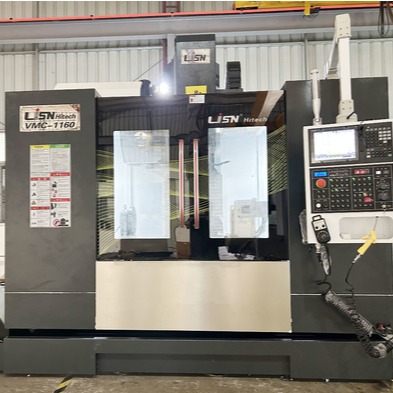
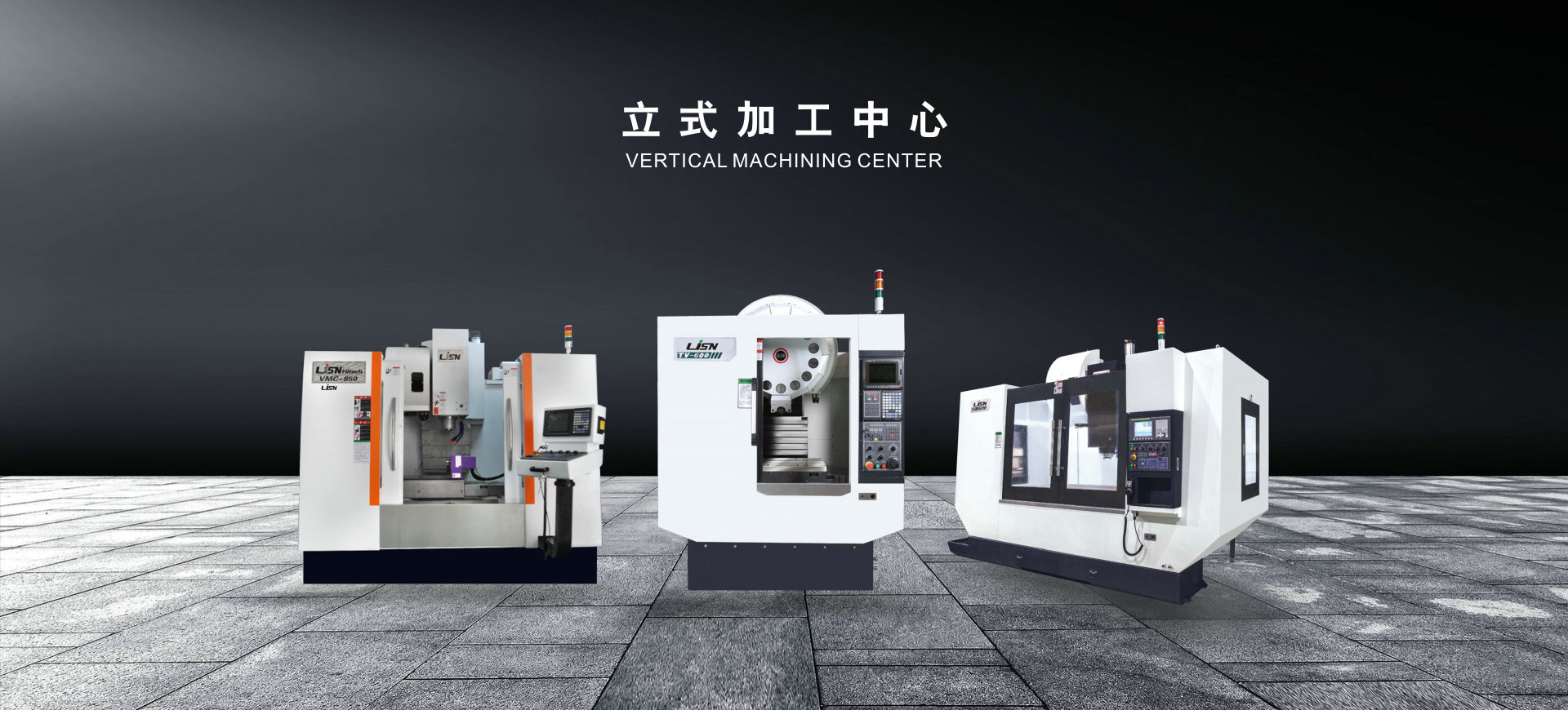
A CNC (Computer Numerical Control) vertical milling machine automates machining through programmed instructions, enabling high-speed and high-precision manufacturing.
Modern CNC vertical machining centers can perform:
- Face milling
- Side milling
- Pocket milling
- Slot milling
- Drilling
- Boring
- Tapping
- Thread milling
- 3D surface machining
Many advanced models also support automatic tool changers (ATC), coolant systems, and high-speed spindles.
Advantages
- High machining accuracy
- Excellent repeatability
- Faster production cycles
- Reduced labor costs
- Stable product quality
- Suitable for automated production
- Capable of machining complex components
Manual vs CNC Vertical Milling Machines
| Feature | Manual Vertical Milling Machine | CNC Vertical Milling Machine |
|---|---|---|
| Operation | Manual | Computer controlled |
| Precision | Medium | Very High (±0.01 mm or better) |
| Production Efficiency | Low | High |
| Repeatability | Depends on operator | Excellent |
| Labor Requirement | High | Low |
| Complex Parts | Limited | Excellent |
| Batch Production | Not suitable | Highly suitable |
| Automation | No | Yes |
Insert Image: Manual vs CNC Vertical Milling Machine Comparison
Suggested image: Side-by-side comparison of a manual milling machine and a CNC vertical machining center.
How Does a CNC Vertical Milling Machine Work?
The machining process typically includes the following steps:
- Import the CAD model.
- Generate toolpaths using CAM software.
- Transfer the NC program to the CNC controller.
- Secure the workpiece on the machine table.
- Automatically change tools according to the machining program.
- Perform precision milling, drilling, boring, and tapping.
- Complete quality inspection.
This automated workflow significantly improves machining efficiency while minimizing human error.
Industries That Use Vertical Milling Machines
Vertical milling machines are essential in many manufacturing industries:
- Aerospace
- Automotive
- Medical Equipment
- Robotics
- Mold & Die Manufacturing
- Consumer Electronics
- Industrial Automation
- Energy Equipment
- Precision Engineering
Their versatility makes them one of the most valuable machine tools in modern factories.
How to Choose the Right Vertical Milling Machine
When selecting a vertical milling machine, consider the following factors:
Material Type
Different materials require different spindle speeds, machine rigidity, and cutting tools.
Examples include:
- Aluminum
- Stainless Steel
- Carbon Steel
- Titanium
- Brass
- Copper
Workpiece Size
Choose a machine with sufficient:
- X-axis travel
- Y-axis travel
- Z-axis travel
- Table size
- Maximum table load
Production Volume
- Prototype production
- Small batch manufacturing
- Medium batch production
- Mass production
Precision Requirements
For industries such as aerospace and medical devices, high positioning accuracy and repeatability are critical.
Spindle Speed
High-speed spindles improve machining efficiency, especially for aluminum and precision components.
Automatic Tool Changer (ATC)
An ATC significantly reduces downtime and increases productivity for multi-process machining.
Why Choose Our Vertical Milling Machines?
As a professional vertical milling machine manufacturer, we provide reliable machining solutions for customers worldwide.
Our advantages include:
- High-rigidity machine structure
- Precision linear guideways
- High-speed spindle systems
- Stable CNC control systems
- Automatic tool changer options
- Custom machine configurations
- Professional overseas technical support
- Factory-direct pricing
- Strict quality inspection before delivery
Whether you require a machine for precision machining, mold manufacturing, or automated production, we can provide customized solutions that match your manufacturing needs.
Frequently Asked Questions
What is the difference between a manual and CNC vertical milling machine?
Manual machines are operated by hand and are ideal for simple machining tasks and prototypes, while CNC machines are computer-controlled and deliver higher precision, productivity, and automation.
What materials can a vertical milling machine process?
Vertical milling machines commonly machine aluminum, steel, stainless steel, titanium, brass, copper, engineering plastics, and composite materials.
Is a CNC vertical milling machine suitable for mass production?
Yes. CNC vertical milling machines are specifically designed for consistent, repeatable, and efficient production, making them ideal for medium and large-scale manufacturing.
What industries commonly use vertical milling machines?
Industries such as aerospace, automotive, robotics, medical devices, mold manufacturing, electronics, and industrial equipment rely heavily on vertical milling machines.
Conclusion
Vertical milling machines remain one of the most versatile and essential machine tools in modern manufacturing. While manual vertical milling machines offer affordability and simplicity for small-scale operations, CNC vertical milling machines deliver superior precision, efficiency, and automation for today's demanding industries.
As an experienced vertical milling machine manufacturer, we are committed to providing high-performance machining solutions that help manufacturers improve productivity, reduce costs, and achieve exceptional machining quality.



2026 CNC Machine Industry Report: Trends Shaping the Future of Manufacturing
What Is a Deep Hole Drilling Machine? Complete Guide to Types, Working Principles, Applications, Selection, and Pricing
Related Article