CNC Machine Introduction
author: Yannis
2025-05-20

Cultivated in CNC Machine Industry for 20+ years.
Specializing in CNC Milling, Drilling, Turning, Tapping, and so on...
Self-created Brand LiSN for 10+ Years



CNC Machine Introduction
In the dynamic landscape of modern manufacturing, CNC (Computer Numerical Control) machines have emerged as the cornerstone of precision and efficiency. These remarkable devices have revolutionized traditional machining processes, transforming the way industries produce a vast array of components and products. This blog will provide an in-depth introduction to CNC machines, covering their definition, working principles, key components, advantages, and applications.

What is a CNC Machine?
At its core, a CNC machine is a type of automated machine tool that uses computer programs to control its movements and operations. Unlike traditional manual machines, where an operator directly manipulates the tool and workpiece using levers, handles, and gauges, CNC machines rely on pre-programmed instructions, typically in the form of G-code. This digital control system enables CNC machines to perform complex machining tasks with unparalleled precision, repeatability, and consistency.
The concept of CNC technology dates back to the 1940s and 1950s, but it has since evolved significantly with advancements in computer technology, electronics, and software. Today, CNC machines are widely used across various industries, from aerospace and automotive to electronics and medical device manufacturing.
How Does a CNC Machine Work?
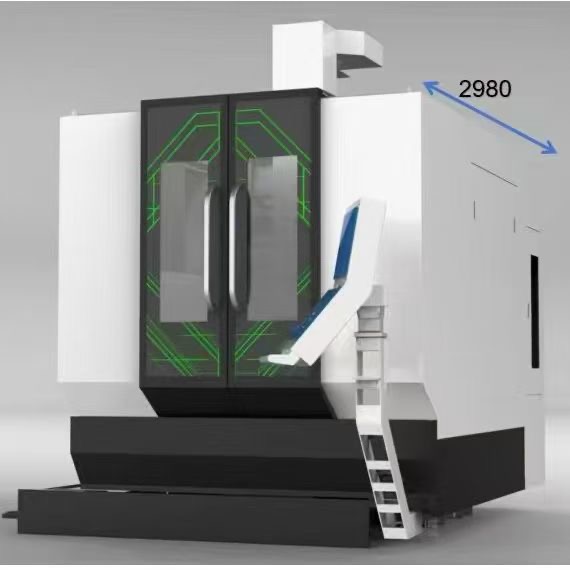
The operation of a CNC machine begins with the design phase. Engineers use Computer-Aided Design (CAD) software to create detailed 2D or 3D models of the part to be manufactured. These models define the shape, dimensions, and features of the component. Subsequently, Computer-Aided Manufacturing (CAM) software is employed to convert the CAD model into a set of instructions, known as G-code, that the CNC machine can understand.
Once the G-code program is ready, it is loaded into the CNC machine's control system. The workpiece is securely fastened onto the machine's worktable, and the appropriate cutting tools are installed. As the CNC machine starts, the control system reads the G-code instructions and sends electrical signals to the servo motors. These servo motors drive the movement of the machine's axes (such as the X, Y, and Z axes in a milling machine), positioning the cutting tool accurately relative to the workpiece.
The spindle, which holds the cutting tool, rotates at high speeds, and as the tool moves along the programmed paths, it removes material from the workpiece, gradually shaping it into the desired part. Throughout the machining process, sensors on the CNC machine continuously monitor parameters such as tool position, spindle speed, and temperature. If any deviations from the programmed values occur, the control system can make real-time adjustments to ensure the accuracy and quality of the machining.

Key Components of a CNC Machine
Control System
The control system is the brain of a CNC machine. It interprets the G-code program, generates control signals for the servo motors, and manages the overall operation of the machine. Modern CNC control systems are highly advanced, offering features such as touch-screen interfaces, built-in diagnostic tools, and the ability to store and manage multiple programs.
Servo Motors
Servo motors are responsible for moving the machine's axes with high precision. They receive electrical signals from the control system and convert them into precise mechanical movements. Servo motors are designed to provide accurate positioning, high torque, and fast response times, ensuring that the CNC machine can execute complex machining operations with ease.
Spindle
The spindle is the component that holds and rotates the cutting tool. It can rotate at varying speeds, depending on the machining operation and the material being worked on. High-speed spindles are commonly used in CNC machining to achieve faster material removal rates and better surface finishes.
Worktable
The worktable is where the workpiece is mounted and secured during machining. It can move along one or more axes, allowing the CNC machine to access different areas of the workpiece. Worktables are designed to be rigid and stable to minimize vibrations during machining, which can affect the accuracy and quality of the part.

Applications of CNC Machines
CNC machines are used in a wide range of industries. In the aerospace industry, they are used to manufacture critical components such as turbine blades, aircraft structural parts, and landing gear components. In the automotive sector, CNC machines produce engine components, transmission parts, and body panels. The electronics industry relies on CNC machines to fabricate components for circuit boards, enclosures, and connectors. Additionally, CNC machines are used in the production of medical devices, molds and dies, and consumer goods.

In conclusion, CNC machines are a game-changing technology in modern manufacturing. Their precision, efficiency, flexibility, and wide range of applications make them indispensable in today's industrial landscape. As technology continues to advance, CNC machines are likely to become even more sophisticated, further enhancing their capabilities and contributing to the growth and innovation of the manufacturing industry.

CNC Machining Introduction
Surface Finishes for CNC Machining
Related Article
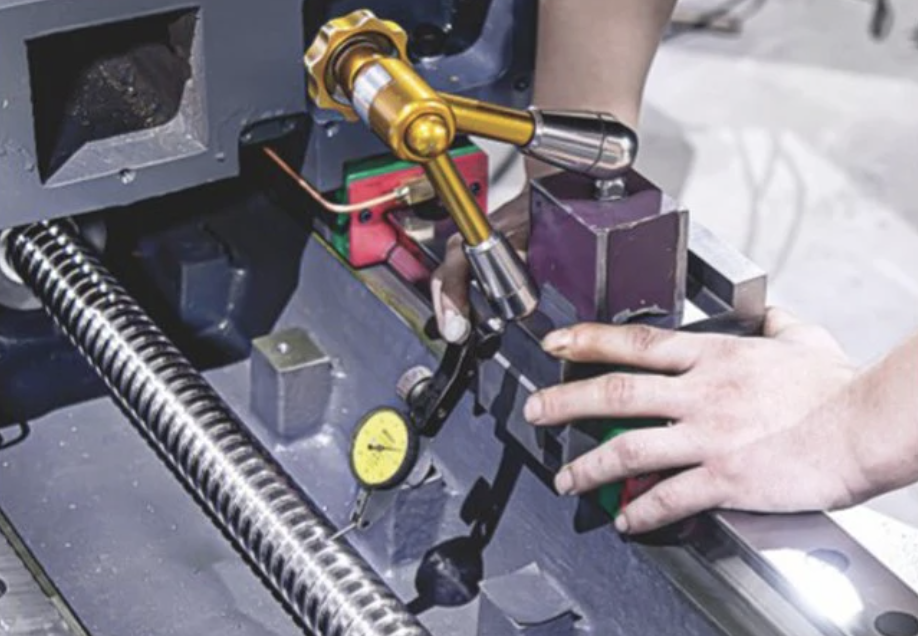
Poor surface finish, inconsistent dimensions, vibration, or an unexpected stop doesn’t always mean something is wrong with your CNC lathe. Worn tooling, poor workholding, and unsuitable cutting parameters can cause many of the same symptoms.
Common problems and solutions for CNC lathes
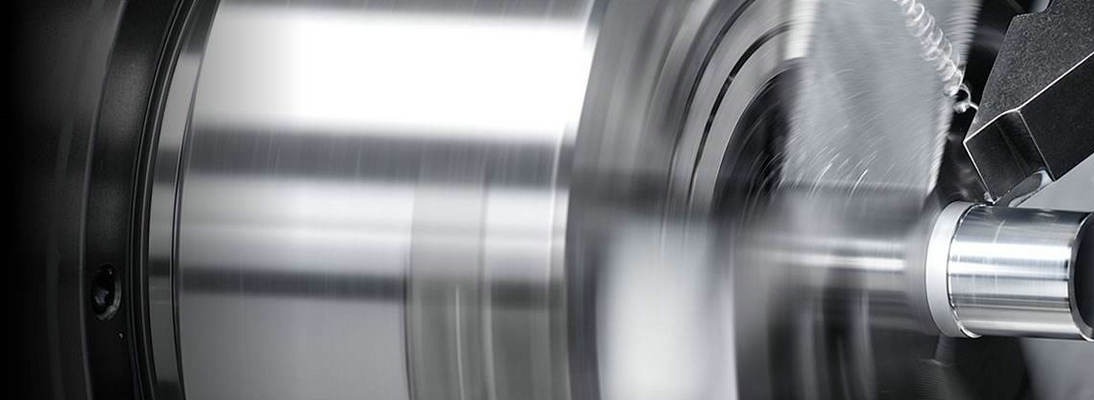
How to Choose a CNC Lathe for Shaft Machining: A Guide to Types, Models, Materials, and Machining Capacity