CNC Machining Introduction
author: Yannis
2025-05-22

Cultivated in CNC Machine Industry for 20+ years.
Specializing in CNC Milling, Drilling, Turning, Tapping, and so on...
Self-created Brand LiSN for 10+ Years



CNC Machining Introduction
In the ever-evolving world of modern manufacturing, CNC (Computer Numerical Control) machining stands as a revolutionary force that has transformed the way products are created. CNC machining encompasses the use of CNC machines to precisely shape and fabricate a wide variety of materials, from metals and plastics to composites. This blog will provide a comprehensive introduction to CNC machining, covering its fundamentals, working processes, key types, applications, and prospects.

What is CNC Machining?
CNC machining is a manufacturing process that utilizes CNC machines to automate the machining operations. Unlike traditional manual machining, where operators control tools and movements by hand, CNC machining relies on pre-programmed computer instructions, typically in the form of G-code. These instructions guide the CNC machine to perform tasks such as cutting, drilling, milling, and turning with extreme precision, repeatability, and efficiency. The integration of computer technology with machining tools in CNC machining has enabled the production of highly complex and accurate parts that meet the stringent requirements of various industries.

How Does CNC Machining Work?
The CNC machining process begins with the design phase. Engineers and designers use Computer-Aided Design (CAD) software to create detailed 2D or 3D models of the desired parts. These CAD models define the shape, dimensions, and features of the components. Once the design is complete, the CAD model is transferred to Computer-Aided Manufacturing (CAM) software. The CAM software analyzes the design and generates the G-code program, which contains the specific instructions for the CNC machine on how to move its axes, control the spindle speed, and operate the cutting tools.
Next, the G-code program is loaded into the control system of the CNC machine. The workpiece, which is the raw material to be machined, is securely fastened onto the machine's worktable using fixtures or clamps. The appropriate cutting tools are then installed on the CNC machine's spindle. As the machine starts, the control system reads the G-code instructions and sends electrical signals to the servo motors. These servo motors drive the movement of the machine's axes, precisely positioning the cutting tool relative to the workpiece. The spindle, holding the cutting tool, rotates at high speeds, and as it moves along the programmed paths, it removes material from the workpiece, gradually shaping it into the final part. Throughout the machining process, sensors on the CNC machine continuously monitor parameters like tool position, spindle load, and temperature to ensure accuracy and quality.

Key Types of CNC Machining
Milling
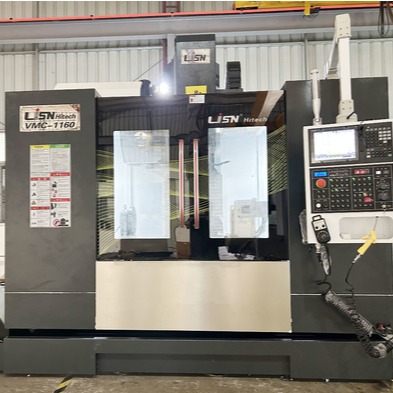
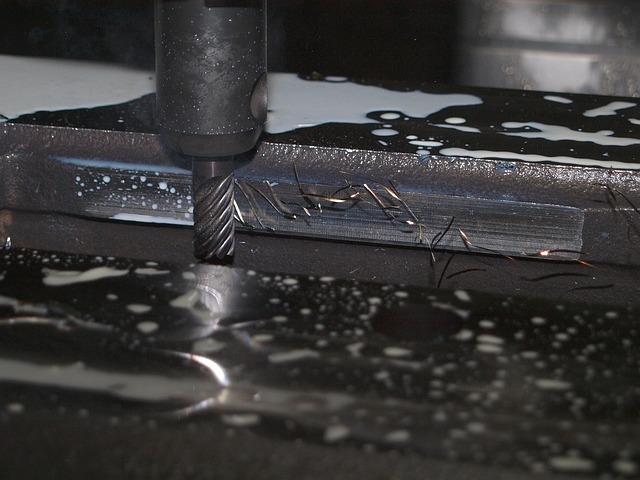
CNC milling is one of the most common types of CNC machining. In this process, a rotating cutting tool moves along multiple axes to remove material from the workpiece. CNC milling machines can create a wide range of shapes, including flat surfaces, slots, holes, and complex 3D contours. They are widely used in industries such as aerospace, automotive, and mold making to produce components like engine parts, structural frames, and molds.
Turning
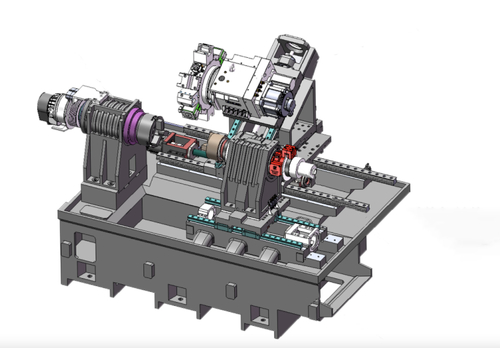
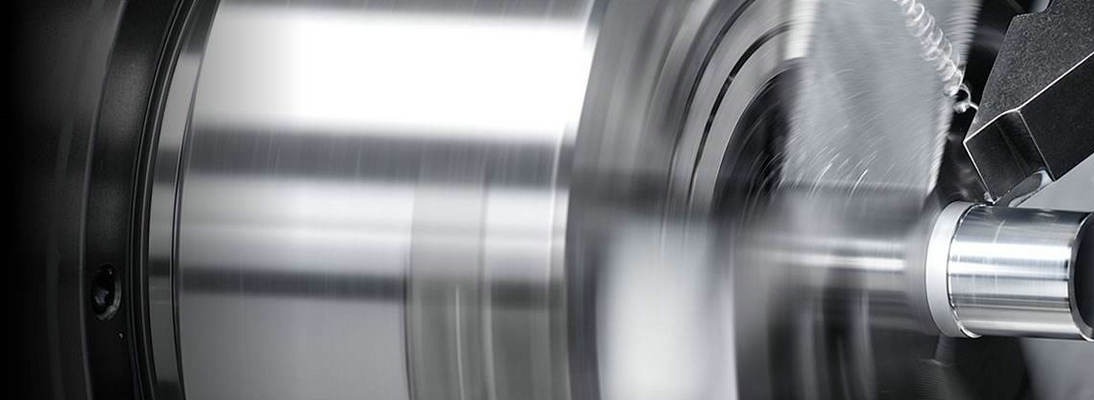
CNC turning involves rotating the workpiece while a stationary cutting tool removes material to create cylindrical or conical shapes. CNC lathes, which are used for turning operations, can produce parts with high precision, such as shafts, axles, and bushings. This type of machining is essential in the manufacturing of components for machinery, automotive, and medical devices.
Drilling
CNC drilling is used to create holes in workpieces. CNC drilling machines can accurately position and drill holes of various sizes and depths. The process is highly automated, ensuring consistent hole quality and location. Drilling operations are often a part of more complex CNC machining processes for creating parts with multiple features.

Applications of CNC Machining
CNC machining finds extensive applications across numerous industries. In the aerospace industry, CNC machines manufacture critical components like turbine blades, aircraft engine parts, and fuselage structures. The high precision and reliability of CNC machining are crucial for ensuring the safety and performance of aircraft.
In the automotive sector, CNC machining plays a vital role in producing engine components, transmission parts, and custom automotive parts. It enables the mass production of high - quality parts with tight tolerances, contributing to the overall efficiency and durability of vehicles.
The medical device industry also benefits greatly from CNC machining. CNC - machined components for surgical instruments, implants, and diagnostic equipment require the highest level of precision and quality to ensure patient safety and effectiveness. The ability to produce complex geometries and meet strict regulatory standards makes CNC machining indispensable in this field.
Moreover, CNC machining is used in the production of consumer goods, electronics, and mold and die manufacturing, demonstrating its versatility and wide-reaching impact.

Challenges and Future of CNC Machining
While CNC machining offers numerous advantages, it also faces challenges. The high initial cost of CNC machines and software, along with the need for skilled operators and programmers, can be barriers for some businesses. Additionally, keeping up with the rapid pace of technological advancements in CNC technology requires continuous investment in research and development.
Looking ahead, the future of CNC machining is promising. The integration of emerging technologies such as artificial intelligence (AI), the Internet of Things (IoT), and robotics is set to further enhance the capabilities of CNC machining. AI-powered algorithms can optimize machining processes, predict tool wear, and improve overall efficiency. IoT connectivity enables real-time monitoring and remote control of CNC machines, facilitating predictive maintenance and better production management. These advancements will drive CNC machining towards greater automation, precision, and productivity in the future.

Conclusion
In conclusion, CNC machining is a transformative manufacturing process that has revolutionized the industry with its precision, efficiency, and versatility. By leveraging CNC machines and advanced programming, CNC machining can produce high-quality parts across a wide range of applications. As technology continues to evolve, CNC machining will undoubtedly play an even more significant role in shaping the future of manufacturing.


CNC Industry Introduction
CNC Machine Introduction
Related Article
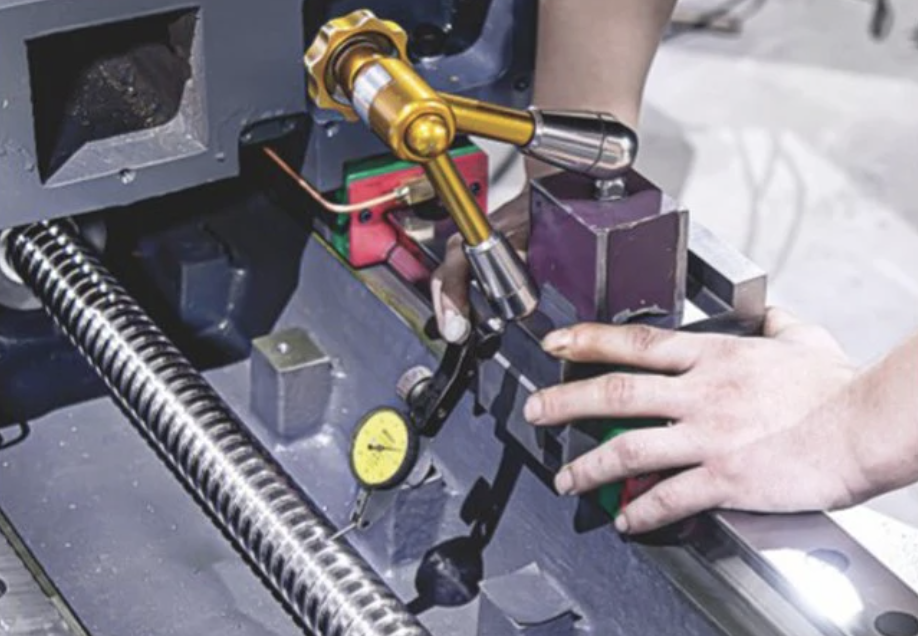
Poor surface finish, inconsistent dimensions, vibration, or an unexpected stop doesn’t always mean something is wrong with your CNC lathe. Worn tooling, poor workholding, and unsuitable cutting parameters can cause many of the same symptoms.
Common problems and solutions for CNC lathes
How to Choose a CNC Lathe for Shaft Machining: A Guide to Types, Models, Materials, and Machining Capacity