CNC Material Introduction
author: Yannis
2025-05-23

Cultivated in CNC Machine Industry for 20+ years.
Specializing in CNC Milling, Drilling, Turning, Tapping, and so on...
Self-created Brand LiSN for 10+ Years



CNC Material Introduction
In the precision-driven realm of CNC (Computer Numerical Control) machining, the choice of material is as critical as the CNC machine itself. The right substrate not only determines the functionality and durability of the final part but also influences machining efficiency, tool life, and production costs. This blog explores the most common materials used in CNC machining, their unique properties, and how they interact with CNC machines to deliver optimal results.

Metals: The Workhorses of Industrial CNC Machining
Aluminum Alloys: Lightweight and Versatile
Aluminum alloys like 6061 and 7075 are staples in CNC machining for their exceptional balance of lightweight design and corrosion resistance. With a density of approximately one-third that of steel, they’re ideal for aerospace components, automotive parts, and consumer electronics. Their machinability is a standout feature: CNC machines can cut aluminum at high speeds with minimal tool wear, producing smooth surfaces and tight tolerances. For example, a CNC-milled 6061 aluminum bracket for a drone frame combines strength with featherlight construction, while anodized 7075 parts resist environmental damage in marine applications.
Steel: Strength and Durability for Demanding Applications
Carbon steel (e.g., 1045) and stainless steel (e.g., 304/316) dominate industries requiring robust performance. Carbon steel’s high tensile strength makes it perfect for gears, shafts, and structural components, while stainless steel’s corrosion resistance suits medical devices, food processing equipment, and marine hardware. Machining steel on CNC machines demands robust tooling—carbide inserts and high-speed steel (HSS) tools are essential to withstand the material’s hardness. Coolants are often used to reduce heat buildup, ensuring precision in parts like engine blocks or surgical instruments.
Titanium: High-Performance for Extreme Environments
Titanium’s remarkable strength-to-weight ratio and resistance to high temperatures and corrosion make it a go-to for aerospace and medical fields. CNC-machined titanium components, such as aircraft turbine blades or orthopedic implants, thrive in environments where failure is not an option. However, titanium’s low thermal conductivity poses challenges: CNC machines must use specialized toolpaths and slow feed rates to prevent tool overheating. Diamond-coated or ceramic tools are often necessary to machine titanium efficiently.

Plastics: Lightweight Solutions for Diverse Needs
ABS (Acrylonitrile Butadiene Styrene): The Prototyping Favorite
ABS is a cornerstone of plastic CNC machining due to its affordability, impact resistance, and ease of use. CNC routers can quickly shape ABS into prototypes, consumer product casings, or automotive interior parts. Its low melting point requires careful speed control to avoid material warping, but the result is a rigid, cost-effective part. For example, a CNC-routed ABS enclosure for a portable device balances durability with lightweight design.
Nylon: Friction-Resistant and Flexible
Nylon’s self-lubricating properties and abrasion resistance make it ideal for gears, bushings, and bearings. CNC lathes can turn nylon into precision-fit components that reduce noise and wear in mechanical systems. Its flexibility also allows it to withstand impact, making it suitable for sports equipment or industrial handles. Machining nylon requires sharp tools to prevent chipping, but the material’s versatility often outweighs the challenges.
Polycarbonate: Transparency and Toughness
Polycarbonate’s optical clarity and shatterproof nature make it perfect for lenses, protective shields, and medical devices. CNC mills can carve polycarbonate into complex shapes while maintaining transparency—think safety goggles or drone camera housings. However, heat management is crucial: overheating can cause the material to yellow or crack, so CNC operators use coolants and slow feed rates to ensure a clean finish.

Composites: High-Tech Materials for Specialized Applications
Carbon Fiber: Strength Without Compromise
Carbon fiber composites offer unmatched strength-to-weight ratios, making them essential in aerospace, motorsports, and robotics. CNC-machined carbon fiber parts, like racing car chassis components or drone frames, combine rigidity with minimal weight. Machining carbon fiber requires diamond-tipped tools and careful dust extraction (as fibers can be hazardous), but the result is a part that outperforms traditional metals in high-stress environments.
Fiberglass: Cost-Effective Rigidity
Fiberglass is a budget-friendly alternative to carbon fiber, prized for its rigidity and corrosion resistance. CNC routers can shape fiberglass into boat hulls, industrial tanks, or electrical insulators. While not as strong as carbon fiber, fiberglass is easier to machine and offers reliable performance in non-critical applications.

Conclusion
The world of CNC machining is as diverse as the materials it works with. Whether you’re using a CNC mill to craft a delicate aluminum component or a CNC lathe to shape a robust steel shaft, understanding material properties is key to success. By matching the right substrate to your CNC machine’s capabilities and your project’s requirements, you’ll unlock the full potential of precision manufacturing—one part at a time.


What Is The Role of a Process Engineer In Manufacturing
Select Perfect CNC Material: A Comprehensive Guide for Machining Success
Related Article
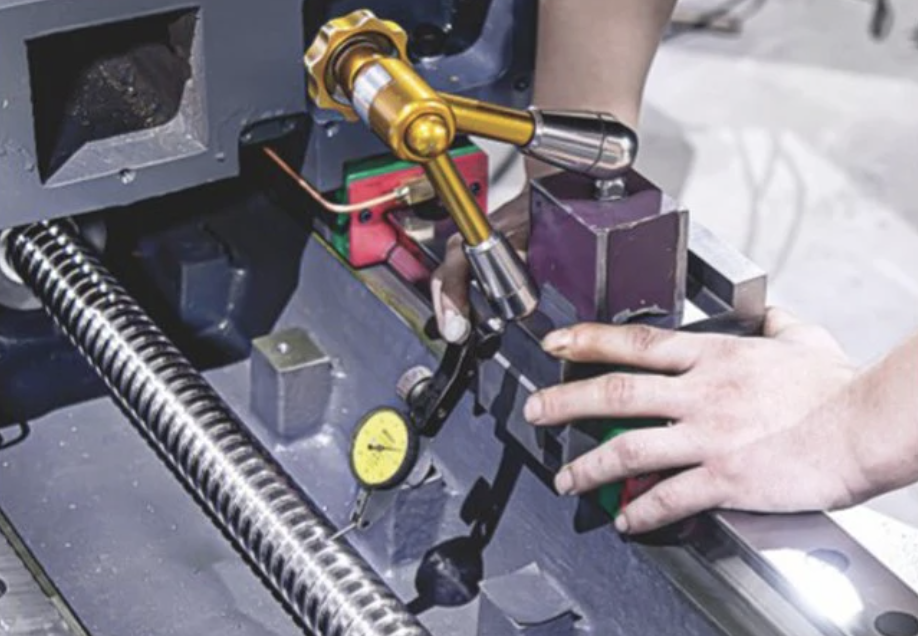
Poor surface finish, inconsistent dimensions, vibration, or an unexpected stop doesn’t always mean something is wrong with your CNC lathe. Worn tooling, poor workholding, and unsuitable cutting parameters can cause many of the same symptoms.
Common problems and solutions for CNC lathes
How to Choose a CNC Lathe for Shaft Machining: A Guide to Types, Models, Materials, and Machining Capacity