Different Types of Surface Treatment Techniques
author: Yannis
2025-05-14

Cultivated in CNC Machine Industry for 20+ years.
Specializing in CNC Milling, Drilling, Turning, Tapping, and so on...
Self-created Brand LiSN for 10+ Years



Different Types of Surface Treatment Techniques
In the realm of modern manufacturing, especially when it comes to parts produced by CNC (Computer Numerical Control) machines, surface treatment techniques play a crucial role in enhancing the functionality, durability, and appearance of products. CNC machines are renowned for their ability to produce parts with high precision, but surface treatment takes these parts to the next level. This blog will explore various types of surface treatment techniques and their significance in the context of CNC-machined components.
Anodizing
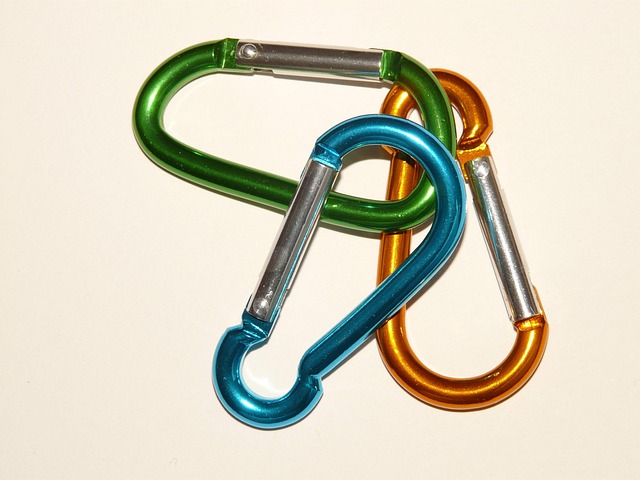
Anodizing is a popular surface treatment method, particularly for metals like aluminum. It involves creating an oxide layer on the metal surface through an electrochemical process. For CNC-machined aluminum parts, anodizing not only improves corrosion resistance but also enhances the aesthetic appeal. The oxide layer formed during anodizing is hard and durable, protecting the underlying metal from environmental factors such as moisture and chemicals. Additionally, anodizing allows for a wide range of colors, enabling manufacturers to customize the appearance of their products. For example, in the aerospace industry, CNC-machined aluminum components often undergo anodizing to ensure they can withstand the harsh conditions of flight while maintaining a sleek look.
Plating
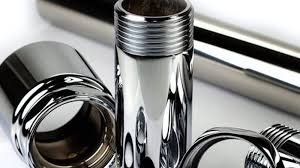
Plating encompasses several sub-techniques, including electroplating, electroless plating, and physical vapor deposition (PVD). Electroplating involves depositing a thin layer of metal onto the surface of a part using an electric current. This technique is commonly used to improve the corrosion resistance, hardness, and conductivity of CNC-machined parts. For instance, a CNC-milled steel component may be electroplated with a layer of nickel or chrome to prevent rusting and increase its wear resistance.
Electroless plating, on the other hand, does not require an electric current. It uses chemical reactions to deposit a metal layer uniformly on the part's surface. This is useful for parts with complex geometries that may be difficult to plate using electroplating. PVD is a vacuum-based process that deposits thin films of materials onto the surface. PVD-coated CNC-machined parts often have excellent hardness and low friction properties, making them suitable for applications in the automotive and tooling industries.
Powder Coating
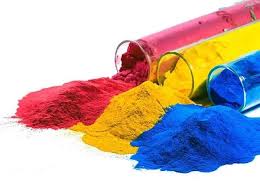
Powder coating is a dry finishing process where a powder-based material is electrostatically applied to the surface of a part and then cured under heat. For CNC-machined metal parts, powder coating provides a thick, durable, and attractive finish. It offers better resistance to chipping, scratching, and fading compared to traditional liquid paints. The wide variety of colors and textures available in powder coating allows manufacturers to create parts that not only function well but also look appealing. For example, CNC-turned metal furniture components can be powder-coated to give them a long-lasting and stylish appearance.
Heat Treatment
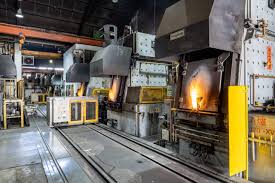
Heat treatment is a process that involves heating and cooling a material to alter its physical and mechanical properties. While it mainly affects the internal structure of the material, it has a significant impact on the surface properties as well. For CNC-machined metal parts, heat treatment can increase hardness, strength, and wear resistance. Processes like quenching and tempering are commonly used. Quenching rapidly cools the heated metal, making it hard but brittle, while tempering reduces the brittleness by reheating the metal to a lower temperature. This combination ensures that CNC-produced metal components, such as gears and shafts, can withstand heavy loads and friction during operation.
Chemical Etching
Chemical etching is a technique used to modify the surface of a material by selectively removing material through chemical reactions. In the case of CNC-machined parts, chemical etching can be used to create intricate patterns, textures, or to remove surface imperfections. It is often used in the production of decorative parts or for creating specific surface finishes that enhance the part's functionality. For example, in the electronics industry, chemical etching can be applied to CNC-milled circuit board enclosures to create precise openings for connectors and ventilation, while also achieving a smooth and clean surface.

Conclusion
In conclusion, different surface treatment techniques each offer unique benefits and are essential for optimizing the performance and appearance of CNC-machined parts. Whether it's improving corrosion resistance, enhancing hardness, or creating an attractive finish, these techniques work hand in hand with the precision of CNC machines to produce high-quality products. As manufacturing demands continue to evolve, the importance of choosing the right surface treatment technique for CNC-manufactured components will only increase, ensuring that products meet the highest standards of functionality and durability.


Why Would That Be a Color Distinction Between Drills
What Language Do CNC Machines Use
Related Article
Poor surface finish, inconsistent dimensions, vibration, or an unexpected stop doesn’t always mean something is wrong with your CNC lathe. Worn tooling, poor workholding, and unsuitable cutting parameters can cause many of the same symptoms.
Common problems and solutions for CNC lathes
How to Choose a CNC Lathe for Shaft Machining: A Guide to Types, Models, Materials, and Machining Capacity