
What Is CNC Machining
author: Yannis
2025-03-03
What Is CNC Machining
In the realm of modern manufacturing, CNC machining stands as a cornerstone of precision and efficiency. Short for Computer Numerical Control, this technology has transformed industries by automating subtractive manufacturing processes. This guide explores the fundamentals of CNC machining, its applications, advantages, and the role of Dongguan Lizhun Machinery Co., LTD and LiSN in delivering cutting-edge solutions.

1. What is CNC Machining?
CNC machining refers to the automated process of manufacturing parts by removing material from a workpiece using computer-controlled tools. Unlike manual machining, which relies on human operators, CNC machines execute pre-programmed instructions with unparalleled accuracy. Key components include:
- CNC Machine: A mechanical device (e.g., mills, lathes, routers) guided by software.
- CAD/CAM Software: Converts 3D designs into machine-readable G-code.
- Tooling: Cutting tools (e.g., end mills, drills) tailored to specific materials.
1.1 How CNC Machining Works
- Design: Create a 3D model using CAD software (e.g., AutoCAD, SolidWorks).
- CAM Programming: Generate toolpaths and machining parameters in CAM software.
- Machine Setup: Load the workpiece and tools into the CNC machine.
- Execution: The machine follows the G-code to cut, shape, and finish the part.

2. Types of CNC Machines
CNC machines are categorized by their functions and capabilities:
2.1 CNC Mills
- Vertical Machining Centers (VMCs): Most common for 3-axis milling of metals and plastics.
- Horizontal Machining Centers (HMCs): Ideal for complex parts requiring multi-sided access.
2.2 CNC Lathes
- 2-Axis Lathes: Perform turning, facing, and threading operations.
- Multi-Axis Lathes: Support live tooling for milling and drilling.
2.3 CNC Routers
- Woodworking Routers: Carve intricate designs in wood or foam.
- Metal Routers: Handle lightweight metals like aluminum.
2.4 Specialty Machines
- 5-Axis Mills: Create highly complex geometries (e.g., aerospace components).
- Waterjet Cutters: Use high-pressure water for non-heat-affected cutting.

3. Applications of CNC Machining
CNC machining is versatile, serving industries such as:
- Aerospace: Producing turbine blades and structural components.
- Automotive: Manufacturing engine parts and custom prototypes.
- Medical: Crafting implants and surgical instruments.
- Electronics: Creating heat sinks and PCB components.
- Consumer Goods: Designing custom jewelry and tools.
4. Advantages of CNC Machining
4.1 Precision and Consistency
CNC machines achieve tolerances as tight as ±0.001 mm, ensuring identical parts across batches.
4.2 Speed and Efficiency
Automated processes reduce human error and accelerate production cycles.
4.3 Material Flexibility
Works with metals (e.g., aluminum, steel), plastics, composites, and even wood.
4.4 Complexity Handling
Capable of producing intricate shapes impossible with manual methods.

5. Choosing the Right CNC Machine and Manufacturer
5.1 Key Considerations
- Material Type: Match the machine’s spindle power and tooling to the workpiece.
- Part Complexity: Opt for multi-axis machines for intricate designs.
- Production Volume: Balance automation features with budget.
5.2 Why Choose Dongguan Lizhun Machinery Co., LTD?
Dongguan Lizhun Machinery Co., LTD is a leading manufacturer offering:
- Custom Solutions: Tailored machines for aerospace, automotive, and medical sectors.
- LiSN Technology: Ensures EMC compliance for reliable performance in sensitive environments.
- Global Support: Comprehensive (after-sales service) and spare parts availability.
6. The Role of LiSN in CNC Machining
LiSN (Line Impedance Stabilization Network) is critical for electromagnetic compatibility (EMC) testing in CNC machines. It:
- Isolates Grid Noise: Prevents external interference from affecting measurements.
- Maintains Stable Impedance: Ensures consistent 50Ω impedance for accurate EMC testing.
- Filters High-Frequency Signals: Directs noise to measurement equipment while blocking grid voltage.
By integrating LiSN into their machines, Dongguan Lizhun Machinery Co., LTD ensures compliance with global standards like FCC, CE, and CISPR, enhancing reliability in industrial settings.

7. Conclusion: The Future of Manufacturing
CNC machining continues to evolve, driving innovation across industries. From prototyping to mass production, its precision, speed, and versatility make it indispensable. Partnering with trusted manufacturers like Dongguan Lizhun Machinery Co., LTD ensures access to advanced technology, including LiSN-equipped machines that meet the highest EMC and performance standards. Whether you’re a hobbyist or a large-scale manufacturer, embracing CNC machining unlocks new possibilities for efficiency and creativity.
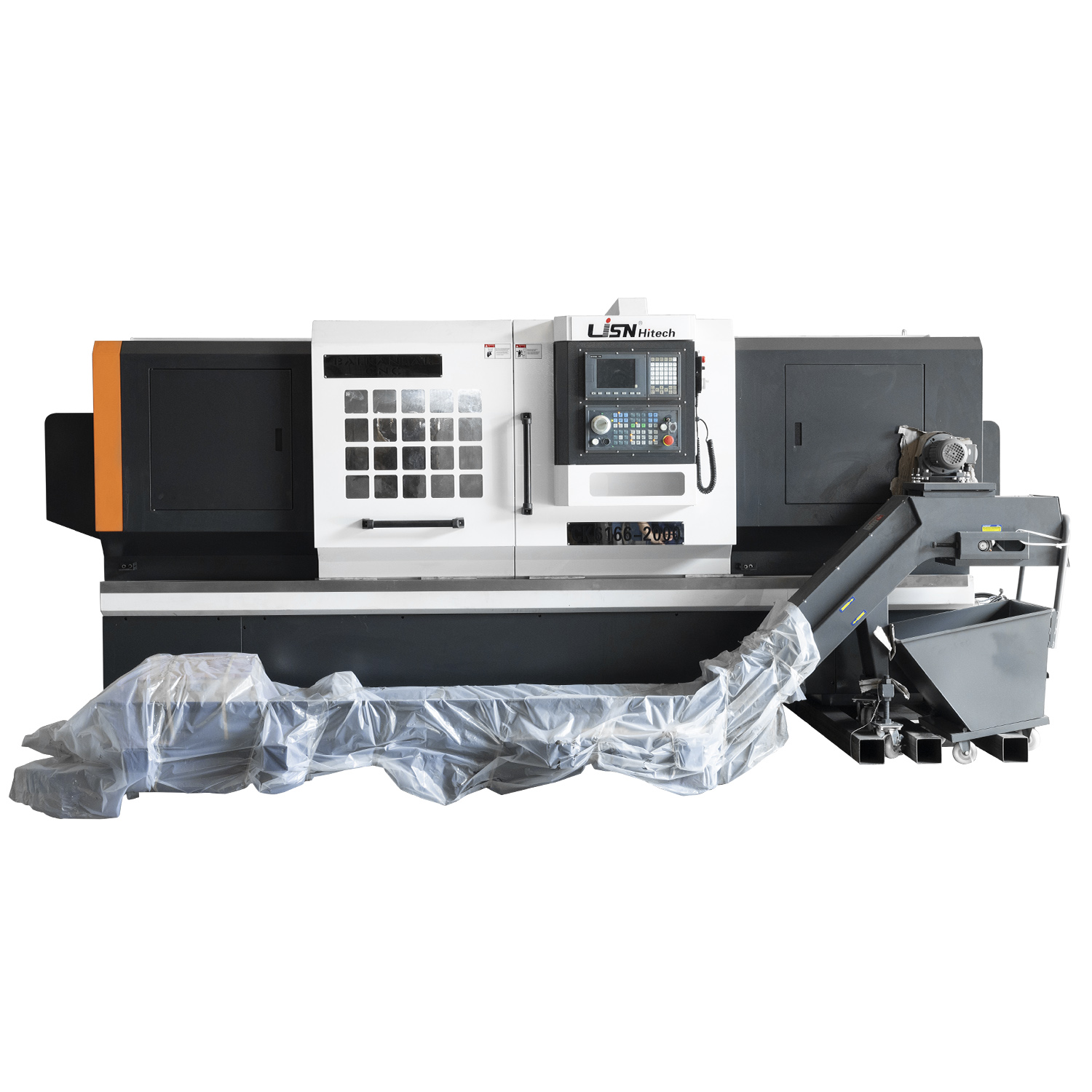
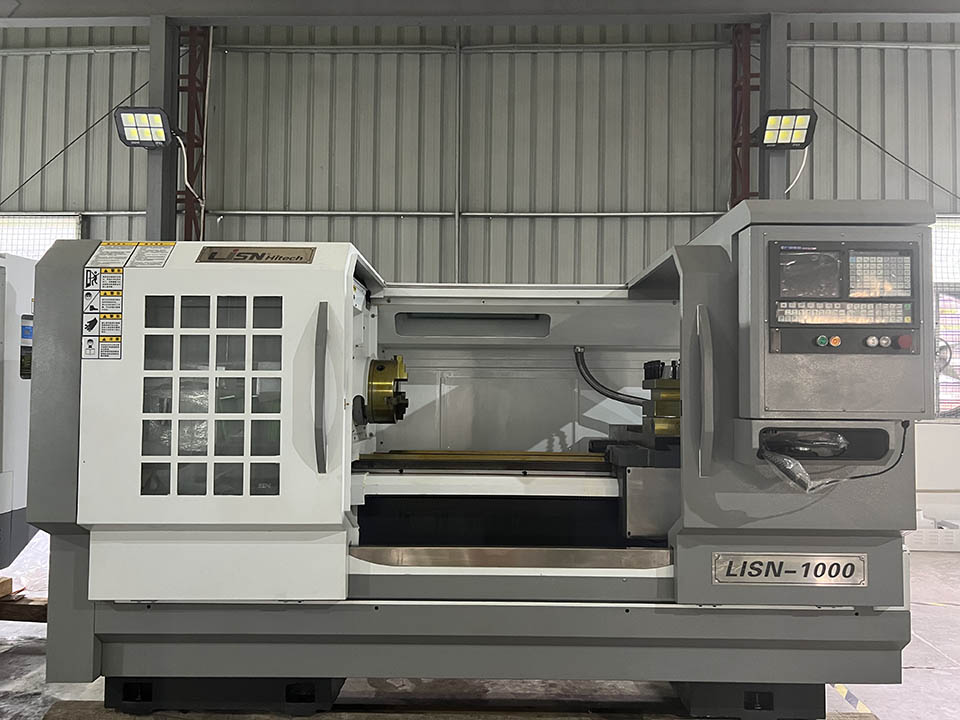
Where Is A CNC Machine Used
What Factors Will Affect The Price Of A CNC Lathe
Related Article

Poor surface finish, inconsistent dimensions, vibration, or an unexpected stop doesn’t always mean something is wrong with your CNC lathe. Worn tooling, poor workholding, and unsuitable cutting parameters can cause many of the same symptoms.
Common problems and solutions for CNC lathes

How to Choose a CNC Lathe for Shaft Machining: A Guide to Types, Models, Materials, and Machining Capacity

