
Global Manufacturing Recovery Drives Strong Demand for CNC Machines
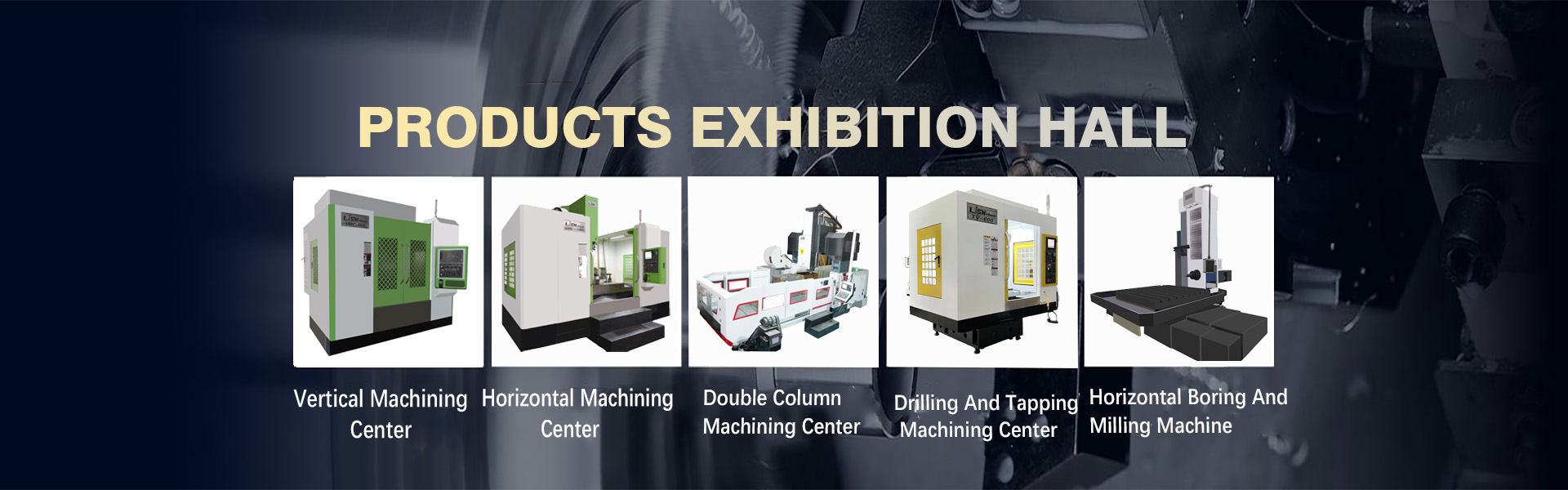
Global Manufacturing Recovery Drives Strong Demand for CNC Machines
As global manufacturing continues its steady recovery, the precision machining industry is entering a new phase of growth. Driven by rising demand in sectors such as new energy, aerospace, and high-end equipment manufacturing, the need for high-precision components is increasing significantly. This trend is accelerating the adoption of advanced CNC solutions worldwide.
Industry analysts note that manufacturers are no longer delaying capital investment. Instead, many are actively upgrading their production capabilities to remain competitive in an increasingly demanding market environment.
Precision and Productivity Redefine Purchasing Decisions
In today’s market, purchasing decisions are becoming more strategic. While cost remains a factor, manufacturers are placing greater emphasis on machine performance and long-term value.
Key considerations include machining accuracy, operational stability, and overall production efficiency. Equipment that can maintain consistent precision over long production cycles is especially valued, as it directly impacts product quality and customer satisfaction.
At the same time, CNC machines equipped with advanced control systems—such as those developed by Fanuc and Siemens—are gaining widespread attention for their reliability and ease of integration into modern production environments.
Automation Accelerates Industry Transformation
Another major driver behind equipment upgrades is the rapid adoption of automation. With labor costs rising globally and skilled workers becoming harder to find, manufacturers are turning to automated CNC solutions to maintain efficiency and reduce dependency on manual operations.
By integrating CNC milling machines and CNC lathes with robotic systems and automatic loading solutions, companies are moving closer to fully automated production environments. This shift not only reduces labor costs but also improves consistency and throughput.
In many cases, manufacturers report significant gains in productivity alongside noticeable reductions in operating costs after implementing automated systems.
Investment in Advanced Equipment Delivers Tangible Returns
Real-world examples continue to demonstrate the value of upgrading CNC equipment. A mid-sized machining company in Europe recently modernized its production line by investing in new CNC milling and turning machines. Within a relatively short period, the company experienced improved machining accuracy, faster delivery times, and increased order volumes.
Such outcomes highlight a broader industry pattern: companies that invest in advanced equipment are better positioned to capture high-value contracts and respond to complex manufacturing demands.
Expanding Opportunities Across Key Industries
Looking ahead, demand for CNC machines is expected to remain strong across multiple high-growth industries. Electric vehicle components, medical devices, precision tooling, and aerospace parts are among the sectors driving this expansion.
As supply chains continue to evolve globally, manufacturers are under increasing pressure to enhance flexibility, improve quality, and shorten lead times. Advanced CNC machines play a critical role in meeting these requirements.
A Strategic Moment for Equipment Upgrades
The current market environment presents a unique opportunity for manufacturers to reassess their production strategies. Investing in high-performance CNC milling machines and CNC lathes is no longer simply a matter of increasing capacity—it is a strategic move toward long-term competitiveness.
Companies that take action during this period are likely to benefit from improved efficiency, stronger customer relationships, and greater resilience in a rapidly changing industrial landscape.
How to Tell If a CNC Milling Machine Is Good?
Industrial Development Trends and Their Impact on CNC Machines
Related Article



