
How Does A CNC Lathe Work
author: Yannis
2025-02-28
How Does A CNC Lathe Work
1. Introduction to CNC Lathes
In the realm of modern manufacturing, CNC (Computer Numerical Control) technology has revolutionized precision machining. Among its many applications, CNC lathes stand out as indispensable tools for creating cylindrical, symmetrical parts with unmatched accuracy. This blog explores the inner workings of CNC lathes, their types, applications, and the role of leading manufacturers like Dongguan Lizhun Machinery Co., LTD and their innovative LiSN technology in enhancing performance.
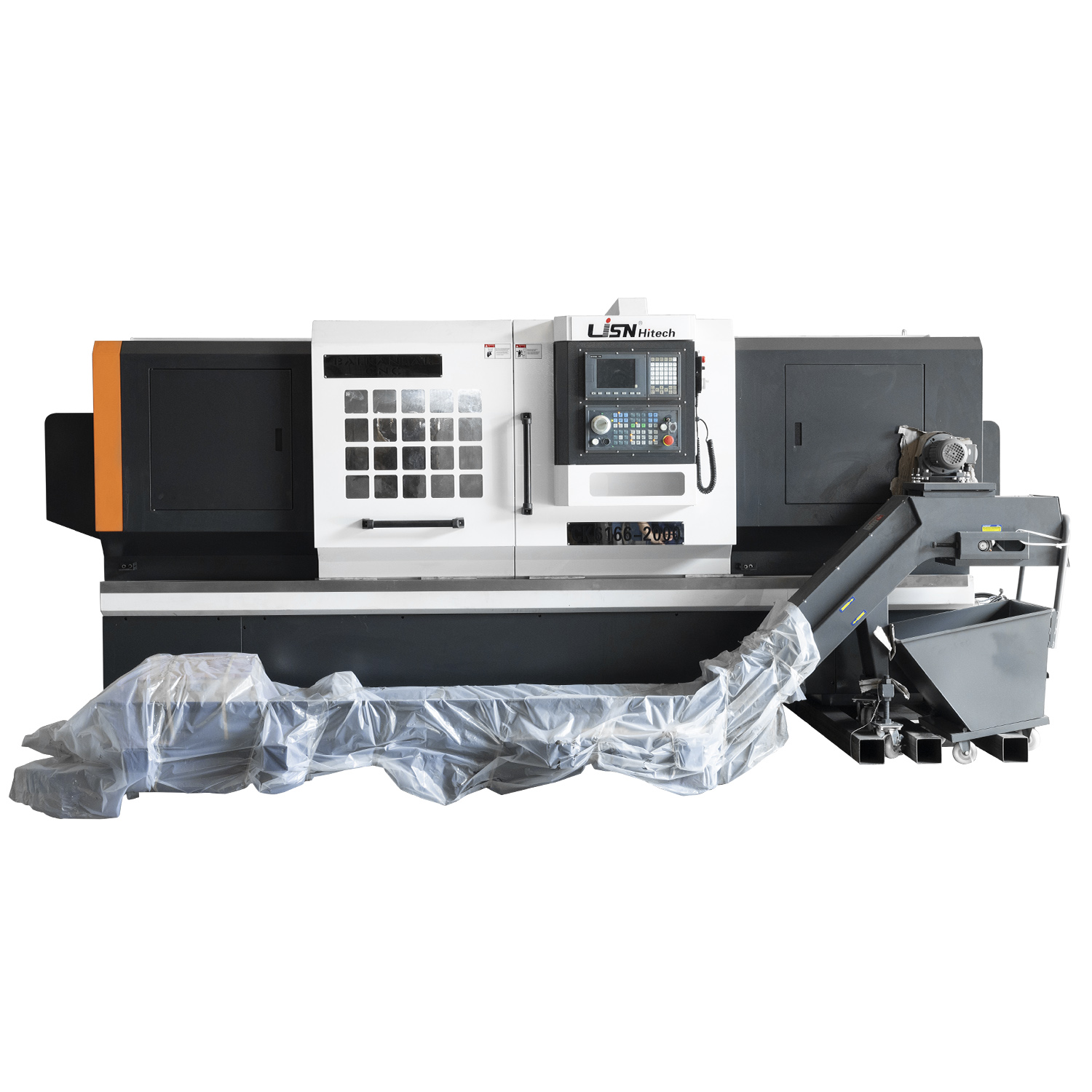
2. The Core Principles of CNC Lathe Operation
2.1 What is a CNC Lathe?
A CNC lathe is a computer-controlled machine designed to rotate a workpiece while cutting tools shape it into the desired form. Unlike traditional lathes, which rely on manual adjustments, CNC lathes execute pre-programmed instructions to automate tasks like turning, drilling, grooving, and threading. This automation ensures consistency, reduces human error, and accelerates production.
2.2 The Role of CAD/CAM Software
CAD/CAM (Computer-Aided Design/Computer-Aided Manufacturing) software is central to CNC lathe functionality. Designers use CAD to create 3D models of parts, which are then converted into machining instructions (G-code) via CAM. These codes dictate tool movements, spindle speeds, and feed rates, guiding the CNC machine to replicate the design precisely.
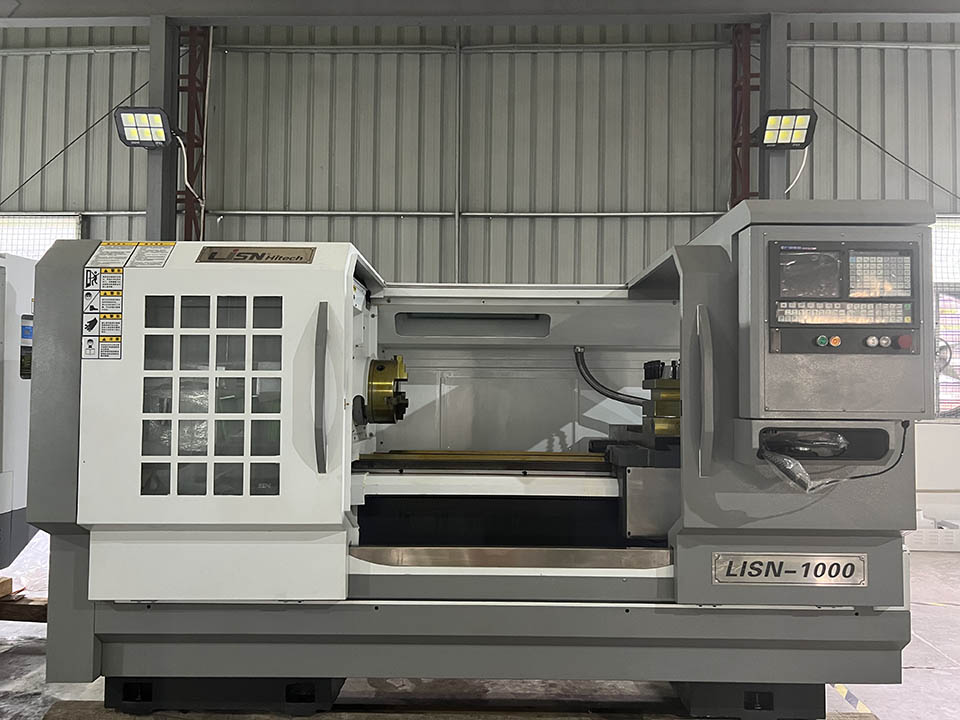
2.3 Key Components of a CNC Lathe
- Headstock & Spindle: Grips the workpiece and rotates it at controlled speeds.
- Tool Turret: Houses multiple cutting tools, enabling automatic tool changes.
- Bed: Provides a stable foundation for all moving parts.
- Tailstock: Supports long workpieces to prevent sagging during machining.
3. Types of CNC Lathes
3.1 Horizontal vs. Vertical Lathes
- Horizontal CNC Lathes: Ideal for medium-sized workpieces, these machines feature a horizontally oriented spindle. They are cost-effective and widely used in automotive and general manufacturing.
- Vertical CNC Lathes: Designed for larger, heavier workpieces, vertical lathes use a vertical spindle, minimizing floor space and leveraging gravity for stability. Industries like aerospace and energy rely on these for precision parts.
3.2 Multi-Axis Lathes
- 2-Axis: Basic models for simple turning operations.
- 3-Axis to 5-Axis: Capable of complex contours and off-center drilling, these are essential for intricate components in medical and aerospace sectors.
- 6-Axis (Multi-Spindle): Advanced systems for high-volume production, offering simultaneous machining on multiple workpieces.

4. Applications of CNC Lathes
4.1 Industrial Uses
- Automotive: Production of crankshafts, camshafts, and gears.
- Aerospace: Manufacturing turbine blades and landing gear components.
- Medical: Precision tools and implants requiring tight tolerances.
- Energy: Parts for oil drilling equipment and power generators.
4.2 Consumer Goods
- Household Items: Furniture legs, bowls, and decorative fixtures.
- Sports & Leisure: Baseball bats, cue sticks, and musical instruments.

5. Step-by-Step Operation of a CNC Lathe
5.1 Programming the Machine
- G-Code Generation: CAM software translates CAD models into G-code, defining tool paths and operations.
- Simulation: Programs are tested in virtual environments to avoid errors.
5.2 Setting Up the Workpiece
- Clamping: The workpiece is securely mounted in the chuck or between centers.
- Tool Selection: Appropriate cutting tools (e.g., drills, inserts) are loaded into the turret.
5.3 Machining Process
- Spindle Activation: The workpiece rotates at programmed speeds.
- Tool Movement: The turret moves along X and Z axes to remove material, guided by G-code.
- Coolant Application: Reduces heat and ensures smooth cutting.
5.4 Post-Processing
- Deburring: Removing sharp edges from the finished part.
- Quality Inspection: Using measuring tools like calipers or CMMs to verify dimensions.

6. Maintenance and Safety
6.1 Routine Maintenance
- Cleaning: Remove metal chips and debris to prevent jams.
- Lubrication: Regularly oil moving parts to maintain smooth operation.
- Tool Inspection: Check for wear and replace dull tools to ensure accuracy.
6.2 Safety Protocols
- Training: Operators must be certified in CNC lathe operation.
- Protective Gear: Use safety glasses, gloves, and hearing protection.
- Emergency Stops: Familiarize with shutdown procedures to prevent accidents.

7. Choosing the Right CNC Lathe
7.1 Factors to Consider
- Workpiece Size & Material: Determine if a horizontal or vertical lathe is suitable.
- Precision Requirements: Higher axes (e.g., 5-axis) for complex shapes.
- Budget: Balance cost with features like automation and LiSN integration.
7.2 Partnering with Dongguan Lizhun Machinery Co., LTD
For businesses seeking reliable, cutting-edge CNC lathes, Dongguan Lizhun Machinery Co., LTD offers tailored solutions. Their LiSN-equipped machines combine innovation with performance, ensuring a competitive advantage in manufacturing.

Conclusion
CNC lathes are the backbone of modern precision manufacturing, enabling the production of intricate parts across industries. With advancements like LiSN from Dongguan Lizhun Machinery Co., LTD, these machines continue to evolve, driving efficiency and accuracy to new heights. By understanding their operation and leveraging innovative technologies, manufacturers can stay ahead in a rapidly changing market.
How Many Axes in a CNC Lathe Machine
What Is CNC Lathe
Related Article

Poor surface finish, inconsistent dimensions, vibration, or an unexpected stop doesn’t always mean something is wrong with your CNC lathe. Worn tooling, poor workholding, and unsuitable cutting parameters can cause many of the same symptoms.
Common problems and solutions for CNC lathes

How to Choose a CNC Lathe for Shaft Machining: A Guide to Types, Models, Materials, and Machining Capacity

