
How Does CNC Machining Differ From Traditional Manual Machining
author: Yannis
2025-04-12


Cultivated in CNC Machine Industry for 20+ years.
Specializing in CNC Milling, Drilling, Turning, Tapping, and so on...
Self-created Brand LiSN for 10+ Years



How Does CNC Machining Differ From Traditional Manual Machining
In the manufacturing landscape, the evolution from manual machining to CNC (Computer Numerical Control) machining marks a significant technological leap. As CNC machines become increasingly prevalent across industries, understanding the disparities between these two machining methods is crucial for businesses aiming to optimize production and for enthusiasts exploring the world of manufacturing. This blog dissects the key differences between CNC machining and traditional manual machining, highlighting how each approach shapes the production process.

Operation: Automation vs. Hands-on Control
Manual Machining
Manual machining is the age-old practice of operating machine tools by hand. Machinists directly manipulate levers, handwheels, and switches to control the movement of cutting tools and workpieces. When turning a metal part on a manual lathe, for instance, the operator adjusts the spindle speed, depth of cut, and feed rate in real-time, relying on their tactile sense and visual judgment. This hands-on approach requires extensive training and experience, as every movement is a deliberate decision made by the operator. While it offers immediate adaptability to unforeseen changes during machining, it also limits the speed and consistency of production.
CNC Machining
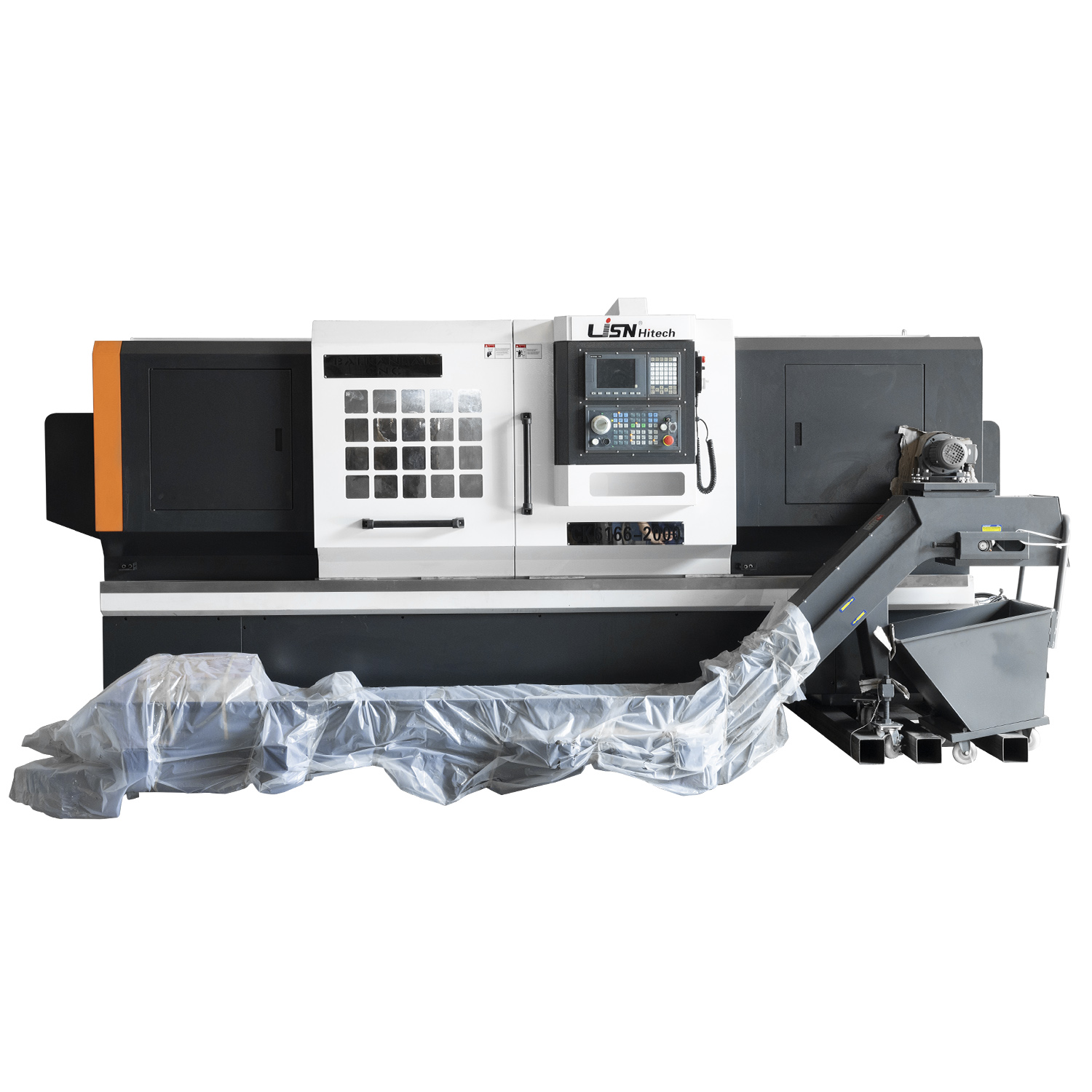
CNC machining revolutionizes the process through automation. CNC machines operate based on pre-programmed instructions, usually written in G-code or M-code. Designers first create a digital model using CAD (Computer-Aided Design) software, which is then translated into machining instructions by CAM (Computer-Aided Manufacturing) software. The CNC controller reads these instructions and precisely commands servo-motors to move the machine’s axes, controlling the tool path with sub-millimeter accuracy. Once programmed, a CNC machine can execute complex operations repeatedly without the need for constant human intervention, eliminating human error from repetitive tasks.

Precision: Skill-dependent vs. Consistent Accuracy
Manual Machining
Precision in manual machining hinges on the skill of the operator. Experienced machinists can achieve impressive results, but variations between parts are common. Fatigue, minor distractions, or differences in tool wear can lead to slight discrepancies in dimensions. Each cut demands meticulous attention, and producing identical components in large quantities is challenging. However, for custom work, prototypes, or artistic pieces where some variation is acceptable or even desirable, manual machining allows for a high degree of creativity and customization.
CNC Machining
CNC machining sets new standards for precision. These machines can maintain tolerances as tight as ±0.001mm, ensuring uniformity across hundreds or thousands of parts. In industries like aerospace, where even minute deviations can compromise safety, or medical device manufacturing, where precision is non-negotiable, CNC machining is the preferred choice. Whether milling a complex aircraft engine component or turning a delicate surgical implant, CNC machines deliver consistent, high-quality results with every iteration.

Productivity: Human-paced vs. High-speed Efficiency
Manual Machining
Productivity in manual machining is inherently constrained by human speed and endurance. Setup times for tool changes or new operations can be lengthy, and continuous operation requires the operator’s full attention. While suitable for small-batch production or one-off custom jobs, scaling up to high-volume manufacturing with manual machining becomes labor-intensive and time-consuming. The need for breaks, shift changes, and the physical limitations of the operator limit the overall output.
CNC Machining
CNC machining is engineered for maximum productivity. Many CNC machines can run 24/7 with minimal human supervision during machining. Features like automatic tool changers (ATCs) enable seamless transitions between different cutting tools, allowing multiple operations to be performed on a single workpiece without manual intervention. Additionally, optimized tool paths generated by CAM software reduce material removal time and minimize waste. In high-volume production scenarios, CNC machining can significantly reduce lead times and increase overall output.

Cost: Initial Affordability vs. Long-term Savings
Manual Machining
Manual machining typically requires a lower initial investment. Basic machine tools are often more affordable, and maintenance can be handled in-house with basic mechanical skills. However, labor costs can accumulate over time, especially for complex projects that demand highly skilled operators. The need for continuous human involvement also means that production costs per unit can increase as volume rises, making it less cost-effective for large-scale manufacturing.
CNC Machining
Investing in CNC machines involves a higher upfront cost due to the sophisticated hardware, software licenses, and training required for operators. Despite this, CNC machining offers significant long-term savings. Automation reduces labor costs by minimizing the need for extensive operator supervision. Optimized tool paths and reduced rework also cut down on material waste and production time, enhancing overall cost-efficiency. In high-volume manufacturing, the return on investment (ROI) of CNC machining often outweighs the initial expense.

Application: Customization vs. Mass Production
Manual Machining
Manual machining excels in applications that prioritize customization and craftsmanship. Artisanal workshops use it to create unique metal sculptures, custom jewelry, or one-of-a-kind wooden products. Small-scale repair shops rely on manual machining for fabricating replacement parts that may not be available off the shelf. Its ability to adapt quickly to unique designs without complex programming makes it a favorite among hobbyists and small businesses focused on bespoke items.
CNC Machining
CNC machining is the backbone of industries requiring mass-produced, high-precision parts. Automotive manufacturers use CNC machines to produce engine blocks, transmission components, and body parts. Electronics firms rely on it for manufacturing miniature, precisely engineered components. The capability to handle complex geometries and maintain tight tolerances makes CNC machining indispensable in large-scale, standardized manufacturing environments.

Conclusion
CNC machining and traditional manual machining each have their distinct advantages and applications. Manual machining preserves the artisanal touch, offering flexibility and affordability for custom projects. In contrast, CNC machining harnesses the power of automation to deliver unparalleled precision, productivity, and consistency for mass production. By understanding these differences, manufacturers, artisans, and hobbyists can select the machining method that best aligns with their specific goals, whether it’s crafting a unique masterpiece or producing thousands of identical components.


What Is Manual Machining
What Is The Difference Between Manual And CNC Lathe
Related Article

Poor surface finish, inconsistent dimensions, vibration, or an unexpected stop doesn’t always mean something is wrong with your CNC lathe. Worn tooling, poor workholding, and unsuitable cutting parameters can cause many of the same symptoms.
Common problems and solutions for CNC lathes

How to Choose a CNC Lathe for Shaft Machining: A Guide to Types, Models, Materials, and Machining Capacity

