
Is CNC Machining A Skill
author: Yannis
2025-04-28


Cultivated in CNC Machine Industry for 20+ years.
Specializing in CNC Milling, Drilling, Turning, Tapping, and so on...
Self-created Brand LiSN for 10+ Years



Is CNC Machining A Skill
In the modern manufacturing landscape dominated by advanced technologies, CNC (Computer Numerical Control) machining has become a fundamental process. But the question that often arises is: Is CNC machining a skill? The answer is a resounding yes. CNC machining encompasses a wide range of knowledge, technical proficiency, and practical abilities that are developed and honed over time, making it a highly specialized and valuable skill set. This blog will delve into the various aspects of CNC machining to illustrate why it is indeed a skill.
The Multifaceted Nature of CNC Machining as a Skill
Technical Knowledge
At the core of CNC machining as a skill is a solid foundation in technical knowledge. Operators need to understand the principles of CNC technology, including how CNC machines interpret and execute G-code programs. This involves knowledge of coordinate systems, toolpath programming, and the relationship between different machine components. For example, knowing how to calculate the appropriate feed rates and spindle speeds based on the material being machined and the type of cutting tool used is crucial. Additionally, a good grasp of mechanical engineering concepts, such as material properties and machining processes like milling, turning, and drilling, is essential for optimizing the machining operations.
Programming Proficiency
Programming is a key component of CNC machining skills. Creating accurate and efficient G-code programs requires proficiency in using Computer-Aided Design (CAD) and Computer-Aided Manufacturing (CAM) software. CAD software is used to design the part, while CAM software translates the design into a set of instructions that the CNC machine can understand. Skilled CNC machinists can write programs that not only produce the desired part but also optimize the machining process to reduce production time and material waste. They must be able to troubleshoot programming errors and make adjustments on the fly to ensure the quality of the final product.
Machine Operation and Setup
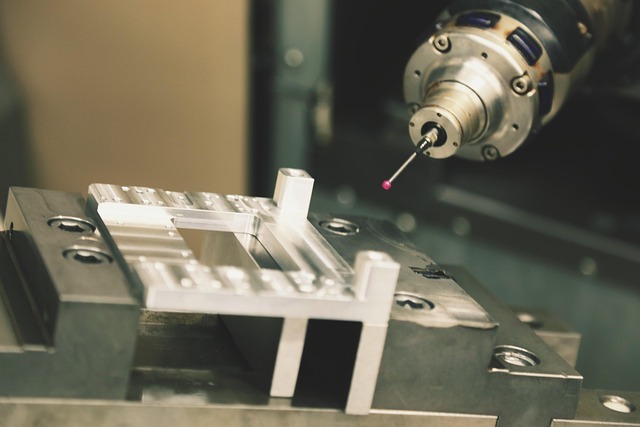
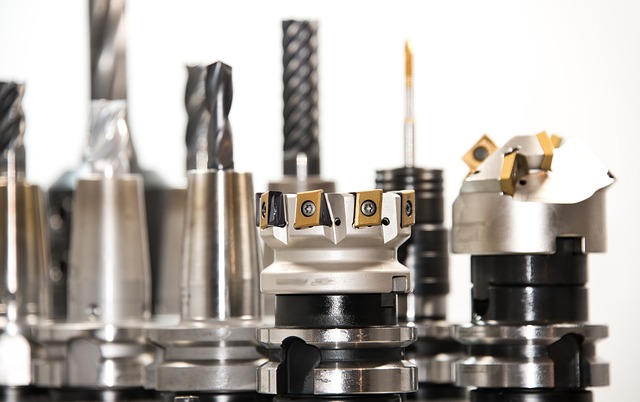
Operating CNC machines effectively is another aspect of this skill. This includes proper machine setup, such as installing the correct cutting tools, securing the workpiece, and calibrating the machine axes. Machinists need to know how to operate the machine's control panel, monitor its performance during machining, and respond to any issues that arise. For instance, they must be able to detect signs of tool wear and replace the tool at the right time to maintain the accuracy of the machining. Understanding the safety protocols and procedures associated with CNC machines is also an integral part of operating them skillfully and safely.
The Learning and Mastery Process
Acquiring the skill of CNC machining is not an overnight task. It typically involves formal education, such as vocational training programs, community college courses, or apprenticeships. These programs provide a structured learning environment where students can learn the theoretical aspects of CNC machining and gain hands-on experience operating CNC machines.
However, true mastery of CNC machining comes with years of practical experience. On-the-job training allows machinists to encounter a variety of real-world scenarios, from machining different types of materials to dealing with complex geometries. With each project, they refine their skills, learn new techniques, and develop the ability to make quick and accurate decisions. Continuous learning is also crucial, as CNC machining technology is constantly evolving with new software, machine models, and machining strategies emerging regularly.
The Value of CNC Machining Skill in the Industry
In the manufacturing industry, CNC machining skill is highly sought after. Skilled CNC machinists are essential for producing high-quality parts with tight tolerances. Their ability to operate CNC machines efficiently directly impacts a company's productivity and profitability. For example, in the aerospace industry, where precision is of utmost importance, CNC machinists play a critical role in manufacturing components for aircraft engines and structures. In the automotive sector, they are responsible for producing engine parts, transmission components, and more.
Moreover, the demand for CNC machining skill extends beyond traditional manufacturing. It is also relevant in industries such as prototyping, where the ability to quickly and accurately produce custom parts is crucial, and in the production of high-tech products like medical devices and electronics.
Conclusion
In conclusion, CNC machining is undeniably a skill. It combines technical knowledge, programming proficiency, and machine operation expertise, all of which are developed and refined through education and experience. As manufacturing continues to evolve and rely more on advanced technologies like CNC, the importance of this skill will only increase. Whether it's for producing intricate parts for high-tech industries or for optimizing production processes in mass manufacturing, the skill of CNC machining will remain a valuable asset in the modern workforce.


What is CNC Manufacturer
Is CNC Machining The Future
Related Article

Poor surface finish, inconsistent dimensions, vibration, or an unexpected stop doesn’t always mean something is wrong with your CNC lathe. Worn tooling, poor workholding, and unsuitable cutting parameters can cause many of the same symptoms.
Common problems and solutions for CNC lathes

How to Choose a CNC Lathe for Shaft Machining: A Guide to Types, Models, Materials, and Machining Capacity

