Is CNC Machining The Future
author: Yannis
2025-04-28

Cultivated in CNC Machine Industry for 20+ years.
Specializing in CNC Milling, Drilling, Turning, Tapping, and so on...
Self-created Brand LiSN for 10+ Years



Is CNC Machining The Future
In the rapidly evolving landscape of modern manufacturing, CNC machining has firmly established itself as a cornerstone technology. CNC (Computer Numerical Control) machining involves using computer-controlled machines to fabricate parts and products with remarkable precision and efficiency. As industries strive for greater productivity, accuracy, and innovation, the question arises: Is CNC machining the future? This blog will explore the current state, advantages, challenges, and potential of CNC machining to determine its place in the future of manufacturing.

The Current Dominance of CNC Machining
CNC machining has already revolutionized the manufacturing world. It has replaced traditional manual machining methods in countless applications, offering unparalleled precision. CNC machines can produce parts with tolerances as tight as ±0.001mm, ensuring consistent quality across batches. This level of accuracy is crucial in industries such as aerospace, automotive, and medical device manufacturing, where even the slightest deviation can have significant consequences.
Moreover, CNC machining significantly boosts productivity. Once programmed, CNC machines can run continuously for extended periods with minimal human intervention. Automatic tool changers and optimized machining cycles reduce downtime, allowing for faster production rates. Small-batch custom production and large-scale manufacturing alike benefit from the flexibility of CNC machining, as a simple change of the G-code program can switch the machine from producing one type of part to another.

Advantages: Paving the Way for the Future
Precision and Repeatability
The precision of CNC machining is a key factor in its potential as the future of manufacturing. In an era where products demand ever-increasing precision, CNC machines can consistently deliver parts that meet exact specifications. Whether it's creating tiny components for microelectronics or large, complex structures for aerospace, CNC machining ensures that each part is identical to the next, reducing the need for extensive quality control and rework.
Integration with Digital Technologies
CNC machining seamlessly integrates with digital design and manufacturing technologies. The use of Computer-Aided Design (CAD) and Computer-Aided Manufacturing (CAM) software allows engineers to create digital models and convert them into G-code programs for CNC machines. This digital workflow not only speeds up the design-to-production process but also enables easy modification and optimization of designs. As the manufacturing industry moves towards more digital and automated processes, CNC machining is well-positioned to be at the forefront.
Material Versatility
CNC machining is not limited to a specific type of material. It can work with metals, plastics, wood, composites, and more. This versatility makes it suitable for a wide range of industries and applications. For example, in the production of sustainable products, CNC machining can be used to work with eco-friendly materials, contributing to the growing trend of green manufacturing.

Challenges on the Path Forward
Despite its many advantages, CNC machining faces several challenges that could potentially impact its future. The high initial cost of CNC machines and software is a significant barrier for small-scale manufacturers and startups. Additionally, the operation of CNC machines requires skilled operators and programmers, and there is currently a shortage of trained personnel in the industry.
Another challenge is the complexity of programming for highly complex geometries. As products become more intricate, creating accurate G-code programs can be time-consuming and technically demanding. Moreover, the energy consumption of CNC machines is relatively high, and with the increasing focus on sustainability, finding ways to make CNC machining more energy-efficient will be crucial.

The Future Outlook: CNC Machining's Potential
Technological Advancements
The future of CNC machining is likely to be shaped by technological advancements. The integration of artificial intelligence (AI) and machine learning (ML) into CNC systems holds great promise. AI can optimize machining processes, predict tool wear, and adjust parameters in real - time to improve efficiency and reduce waste. Machine learning algorithms can analyze vast amounts of machining data to identify patterns and make intelligent decisions, further enhancing the capabilities of CNC machines.
The Internet of Things (IoT) also offers new opportunities. By connecting CNC machines to the IoT, manufacturers can monitor machine performance in real-time, schedule preventive maintenance, and improve overall production management. This connectivity will enable more seamless integration of CNC machining into smart factories of the future.
Growing Industry Demands
As industries such as aerospace, automotive, and medical continue to grow and innovate, the demand for high-precision, customized parts will increase. CNC machining is well-equipped to meet these demands. For example, in the aerospace industry, the need for lightweight yet strong components made from advanced materials can be fulfilled by CNC machining. In the medical field, the production of patient-specific implants requires the precision and flexibility that CNC machining provides.
Sustainable Manufacturing
Sustainability is becoming a major focus in manufacturing, and CNC machining can play a role in this transition. With the development of new cutting techniques and the use of recycled materials, CNC machining can become more environmentally friendly. Additionally, the ability to produce parts with minimal waste through precise machining contributes to the goals of sustainable manufacturing.

Conclusion
While CNC machining faces challenges, its numerous advantages and the ongoing technological advancements make it a strong candidate for the future of manufacturing. Its precision, integration with digital technologies, and material versatility, combined with the potential of AI, IoT, and a growing demand for high-quality products, position CNC machining as a technology that will continue to evolve and thrive. With efforts to address challenges such as cost, skill shortages, and energy consumption, CNC machining is likely to remain at the heart of the manufacturing industry, driving innovation and shaping the products of tomorrow.


Is CNC Machining A Skill
What Is CNC In Engineering
Related Article
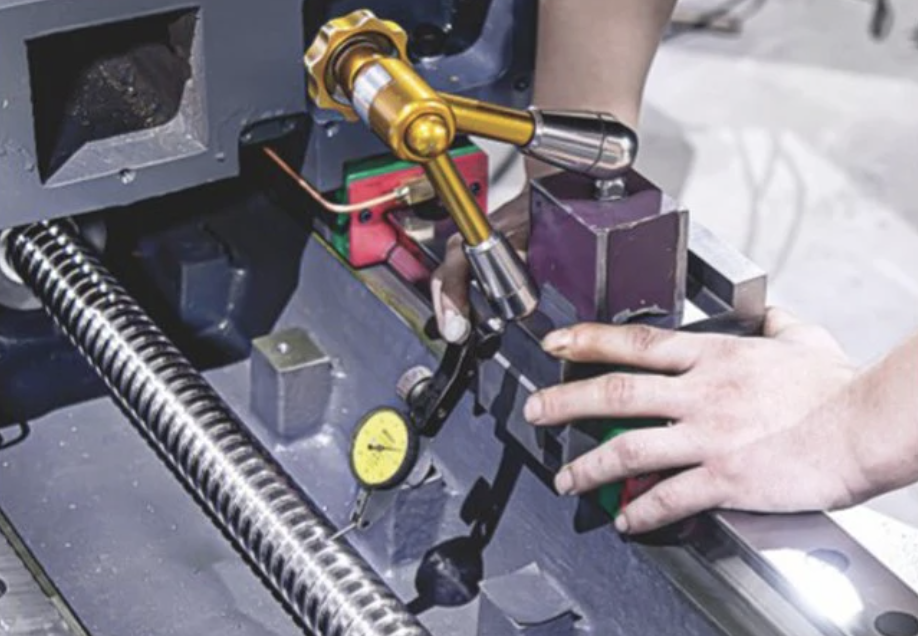
Poor surface finish, inconsistent dimensions, vibration, or an unexpected stop doesn’t always mean something is wrong with your CNC lathe. Worn tooling, poor workholding, and unsuitable cutting parameters can cause many of the same symptoms.
Common problems and solutions for CNC lathes
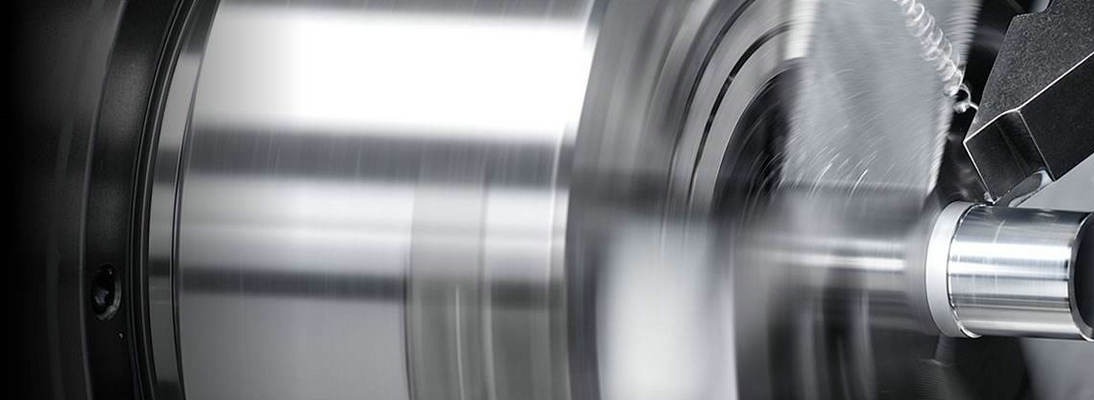
How to Choose a CNC Lathe for Shaft Machining: A Guide to Types, Models, Materials, and Machining Capacity