
Is CNC Only For Metal
author: Yannis
2025-04-26


Cultivated in CNC Machine Industry for 20+ years.
Specializing in CNC Milling, Drilling, Turning, Tapping, and so on...
Self-created Brand LiSN for 10+ Years



Is CNC Only For Metal
In the world of manufacturing, CNC (Computer Numerical Control) technology and CNC machines have long been associated with metalworking. While it's true that CNC has revolutionized metal machining, the common perception that CNC is only for metal is a misconception. CNC machines are incredibly versatile, capable of working with a wide array of materials beyond metals. This blog will explore the diverse applications of CNC technology, debunking the myth and highlighting its capabilities across different materials.
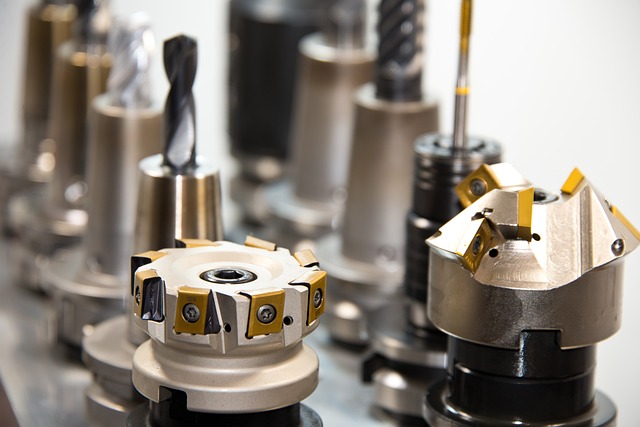
CNC's Dominance in Metalworking
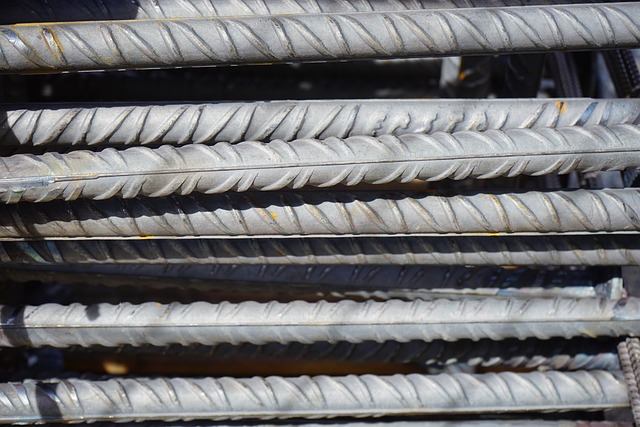
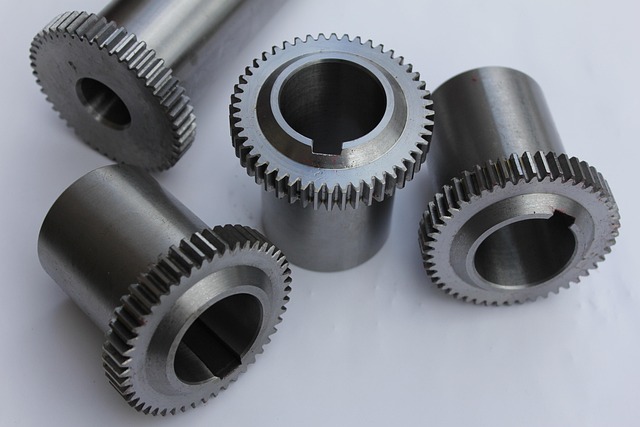
It's no surprise that CNC has become a staple in metal manufacturing. Metals such as steel, aluminum, copper, and titanium are widely used in industries like automotive, aerospace, and construction. CNC machines offer unparalleled precision when working with metals, allowing for the production of intricate components with tight tolerances. For example, in aerospace, CNC machining is used to create high-precision turbine blades and structural parts from tough metals like titanium alloys. The ability of CNC machines to handle high cutting forces and maintain accuracy makes them ideal for shaping hard metals, which would be extremely challenging to process manually.
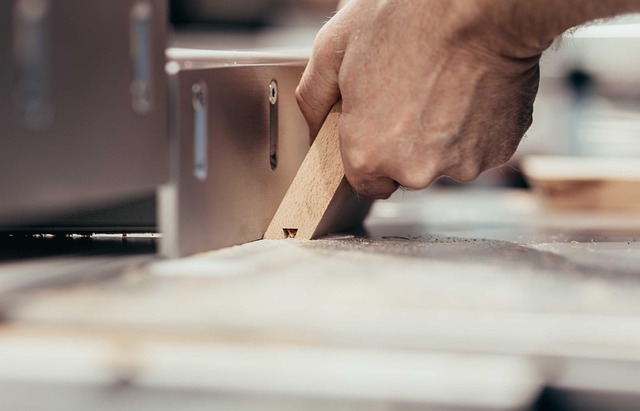
CNC Beyond Metals: A World of Possibilities
Plastics
CNC machines are highly effective in working with plastics. Whether it's acrylonitrile butadiene styrene (ABS), polycarbonate, or polyethylene, CNC can precisely cut, mill, and shape plastic materials. In the electronics industry, CNC machining is used to produce plastic enclosures for devices, ensuring a perfect fit for internal components. 3D printing, which is closely related to CNC technology, also commonly uses plastic filaments. The controlled movement and accurate toolpaths of CNC machines enable the creation of smooth surfaces and complex geometries in plastics, making them suitable for prototyping and mass production alike.

Wood
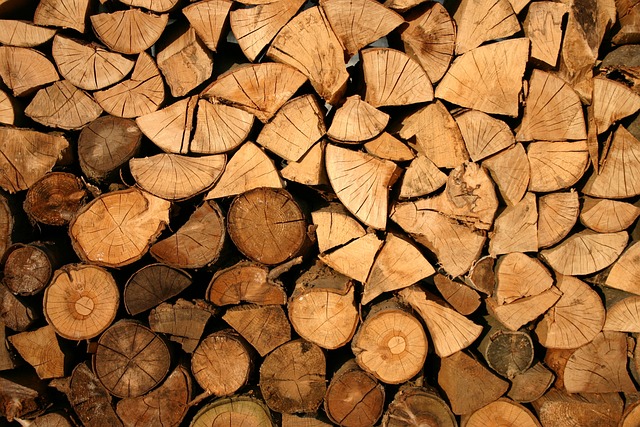
Woodworking with CNC machines has gained significant popularity. From furniture manufacturing to custom woodcraft, CNC routers can carve intricate designs, cut precise joinery, and shape wooden panels with ease. Cabinet makers use CNC machines to produce consistent and accurately sized components, reducing waste and increasing efficiency. The ability to program detailed patterns means that artisans can create elaborate wood carvings that would take hours or even days to complete by hand. Moreover, CNC can handle different types of wood, from softwoods like pine to hardwoods like oak, with the same level of precision.
Composites
Composites, which are materials made from two or more constituent materials with different physical or chemical properties, are also processed using CNC technology. Carbon fiber composites, for instance, are lightweight yet incredibly strong and are used in industries such as aerospace, automotive, and sports equipment. CNC machines can cut and drill these composites accurately, avoiding delamination and ensuring the structural integrity of the final product. In the production of high-performance bicycles or racing car components, CNC machining of composites plays a crucial role in achieving the desired shape and performance.
Other Materials
CNC machines can also work with materials like foam, rubber, and even some types of ceramics. Foam is commonly used in the packaging industry and for creating molds, and CNC routers can quickly and accurately shape it into the required forms. Rubber components, such as seals and gaskets, can be precisely cut using CNC technology. In the field of ceramics, CNC machining is used to create complex shapes for artistic pieces, dental implants, and industrial components.
Differences in CNC Processing of Various Materials
While CNC machines can handle multiple materials, the processing methods and tooling vary significantly depending on the material's properties. For metals, high-speed steel or carbide cutting tools are often used, and cooling lubricants are essential to manage heat generated during machining. In contrast, when working with plastics, the focus is on minimizing heat buildup to prevent melting or warping, so different cutting speeds and tool geometries are employed. For wood, specialized router bits are used, and the cutting depth and feed rate are adjusted according to the type and hardness of the wood.
Conclusion
In conclusion, CNC technology and CNC machines are far from being limited to metalworking. Their versatility extends across a vast spectrum of materials, making them indispensable tools in numerous industries. As technology continues to advance, CNC machines are likely to become even more capable, further expanding the range of materials they can process. Whether it's shaping metal, carving wood, or machining composites, CNC has proven itself as a flexible and powerful manufacturing solution, breaking free from the narrow perception of being solely for metal.


What Is A CNC Machining Company
What Is CNC Making
Related Article

Poor surface finish, inconsistent dimensions, vibration, or an unexpected stop doesn’t always mean something is wrong with your CNC lathe. Worn tooling, poor workholding, and unsuitable cutting parameters can cause many of the same symptoms.
Common problems and solutions for CNC lathes

How to Choose a CNC Lathe for Shaft Machining: A Guide to Types, Models, Materials, and Machining Capacity

