Surface Finishes for CNC Machining
author: Yannis
2025-05-20

Cultivated in CNC Machine Industry for 20+ years.
Specializing in CNC Milling, Drilling, Turning, Tapping, and so on...
Self-created Brand LiSN for 10+ Years



Surface Finishes for CNC Machining
In the realm of modern manufacturing, CNC (Computer Numerical Control) machining has become a cornerstone for producing high-precision parts. While CNC machines are renowned for their ability to create complex geometries with accuracy, the surface finish of the machined components is equally crucial. The surface finish not only impacts the aesthetic appeal of the part but also plays a significant role in its functionality, durability, and compatibility with other components. This blog will explore the various types of surface finishes in CNC machining, how they are achieved, and their applications.
Understanding the Importance of Surface Finish in CNC Machining
The surface finish of a CNC-machined part refers to the texture and quality of its outer surface. A well-defined surface finish can enhance a part's performance in multiple ways. For instance, in components that require smooth movement, such as bearings or sliding parts, a fine surface finish reduces friction and wear, extending the part's lifespan. In the case of parts exposed to the environment, like outdoor fixtures or marine components, a proper surface finish can improve corrosion resistance. Additionally, in industries such as aerospace and medical, where precision and cleanliness are of utmost importance, the surface finish of CNC-produced parts can directly affect their functionality and safety.
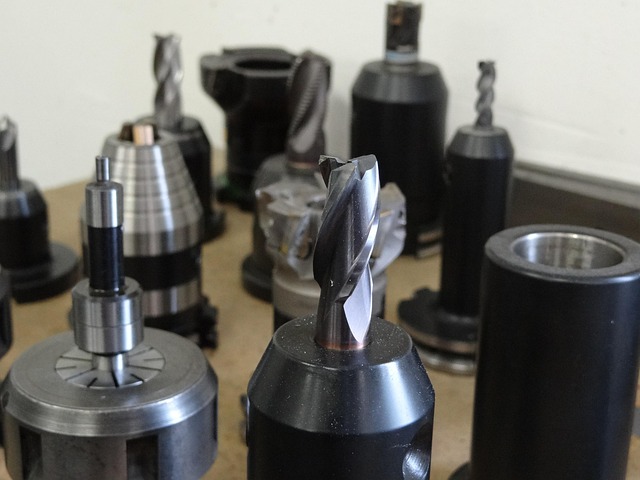
Common Types of Surface Finishes in CNC Machining
Rough Finish
A rough surface finish is characterized by visible tool marks and relatively large surface irregularities. This type of finish is often the result of initial machining operations, such as rough milling or turning, where the primary goal is to remove a large amount of material quickly. Rough finishes are typically used when the part will undergo further processing, such as finishing operations or when the surface appearance and precision are not critical at this stage of production. For example, when CNC machining a large metal block to create a basic shape for a mold, a rough finish may be acceptable before moving on to more precise operations.
Medium Finish
A medium surface finish offers a smoother surface compared to a rough finish, with less pronounced tool marks. It is achieved through intermediate machining steps or by using tools with a finer cutting edge. Medium finishes are commonly used in parts where some level of surface quality is required, but extremely high precision is not necessary. In the production of consumer goods, such as household appliances, CNC-machined components with a medium finish can provide a satisfactory appearance and functionality while keeping production costs in check.
Fine Finish
A fine surface finish is highly smooth, with minimal surface irregularities. This level of finish is often required for parts that demand high precision, low friction, or a high-quality aesthetic appearance. To achieve a fine finish in CNC machining, techniques such as finish milling, grinding, or honing are employed. In the automotive industry, CNC-machined engine components like cylinder bores and piston surfaces require a fine finish to ensure proper fit, reduce friction, and improve engine efficiency.
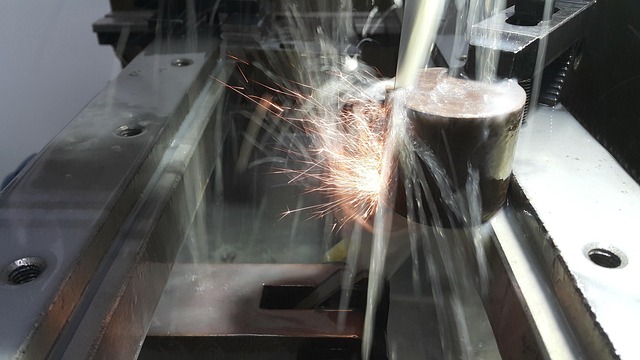
Methods to Achieve Different Surface Finishes in CNC Machining
Tool Selection and Cutting Parameters
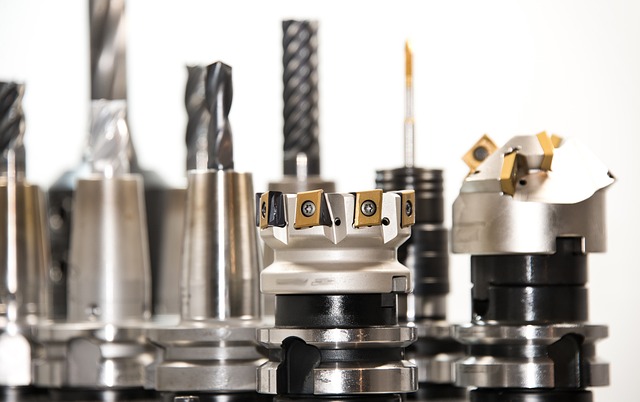
The choice of cutting tools and the setting of cutting parameters are crucial in determining the surface finish. For a rough finish, larger and more robust cutting tools are typically used with higher feed rates and deeper cuts to remove material quickly. On the other hand, for a fine finish, smaller, more precise tools with sharp cutting edges are employed, and the feed rates and cutting depths are reduced. For example, using a ball-nose end mill with a small diameter and a low feed rate in CNC milling can result in a smoother surface finish on curved surfaces.
Post-Machining Processes
In addition to machining operations, post-machining processes can be used to enhance the surface finish. Polishing is a common post-machining process that involves using abrasive materials to remove surface imperfections and create a smooth, shiny surface. Electroplating can also improve the surface finish by depositing a thin layer of metal on the part's surface, which not only enhances its appearance but can also provide additional properties such as corrosion resistance. For CNC-machined plastic parts, processes like chemical polishing or flame polishing can be used to achieve a glossy and smooth surface.
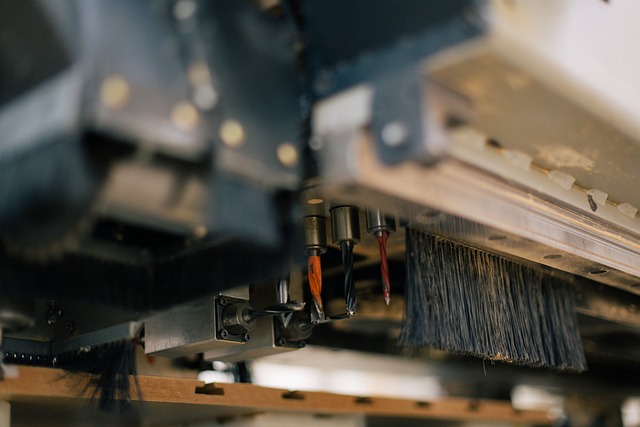
Applications of Different Surface Finishes in CNC Machining
Functional Applications
In mechanical applications, the surface finish directly impacts the performance of the part. For example, in CNC-machined hydraulic components, a fine surface finish is essential to prevent fluid leakage and ensure smooth operation. In the aerospace industry, CNC-produced components such as turbine blades require a high-quality surface finish to reduce aerodynamic drag and improve efficiency.
Aesthetic Applications
In consumer products and decorative items, the surface finish plays a significant role in the product's appeal. CNC-machined jewelry, for instance, often features a fine, polished surface finish to enhance its beauty. In the furniture industry, CNC-carved wooden parts can be given a smooth surface finish through sanding and finishing processes to create an attractive and high-end look.
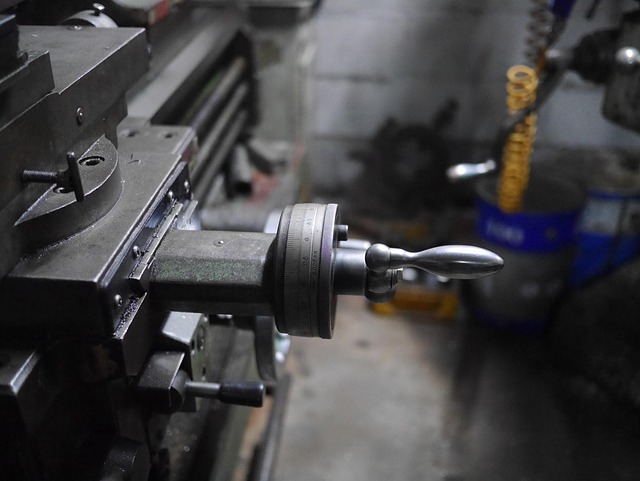
Conclusion
In conclusion, surface finishes are an integral part of CNC machining. Understanding the different types of surface finishes, the methods to achieve them, and their applications is essential for manufacturers to produce high-quality parts that meet both functional and aesthetic requirements. Whether it's a rough finish for initial material removal, a medium finish for general-purpose components, or a fine finish for high-precision parts, the right surface finish can make a significant difference in the performance and marketability of CNC-machined products. As CNC machining technology continues to advance, so too will the techniques and possibilities for achieving exceptional surface finishes.
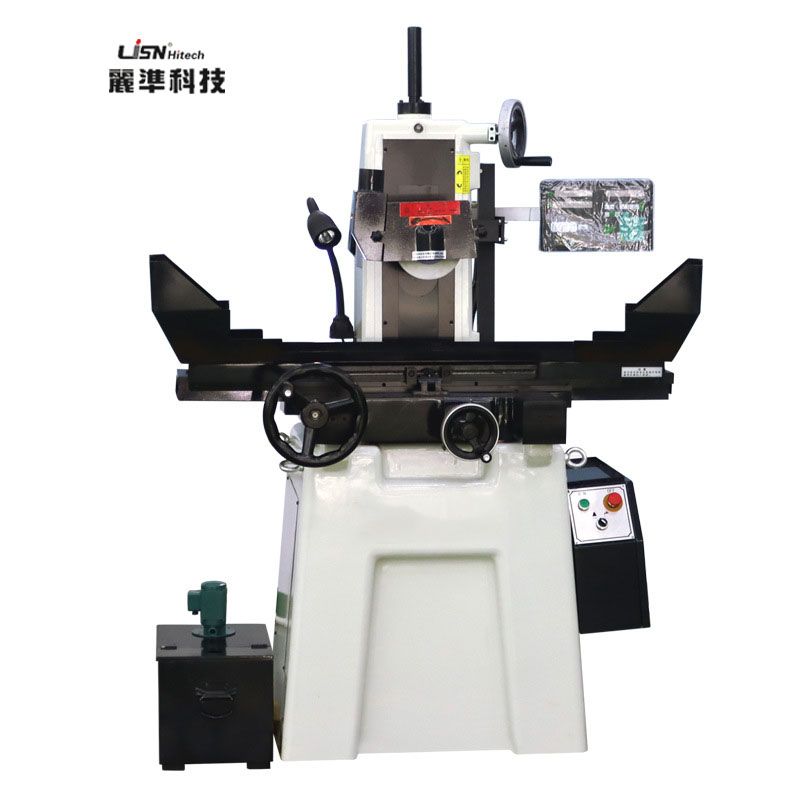


CNC Machine Introduction
Heat Treatment for CNC Machined Parts
Related Article
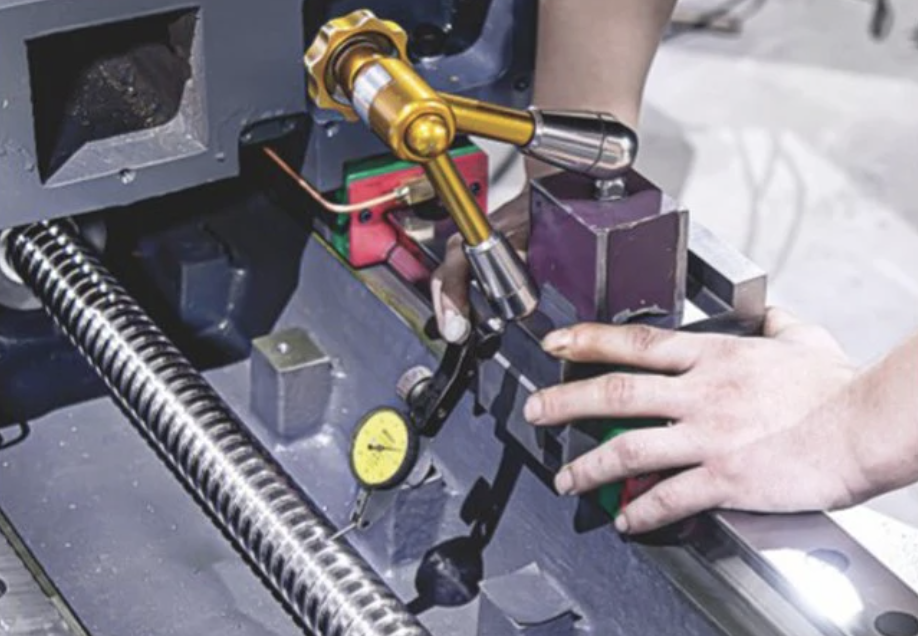
Poor surface finish, inconsistent dimensions, vibration, or an unexpected stop doesn’t always mean something is wrong with your CNC lathe. Worn tooling, poor workholding, and unsuitable cutting parameters can cause many of the same symptoms.
Common problems and solutions for CNC lathes
How to Choose a CNC Lathe for Shaft Machining: A Guide to Types, Models, Materials, and Machining Capacity