What Are the Benefits of 5-axis Machining
author: Yannis
2025-05-27

Cultivated in CNC Machine Industry for 20+ years.
Specializing in CNC Milling, Drilling, Turning, Tapping, and so on...
Self-created Brand LiSN for 10+ Years



What Are the Benefits of 5-axis Machining
In the realm of CNC (Computer Numerical Control) manufacturing, 5-axis machining represents a leap forward in precision and versatility, offering distinct advantages that traditional 3-axis CNC machines simply can’t match. This advanced technology, which enables simultaneous movement along five axes (typically X, Y, Z, and two rotational axes), has revolutionized industries from aerospace to medical by unlocking new possibilities in complex part production. Here’s a detailed exploration of how 5-axis machining reshapes manufacturing efficiency and quality.
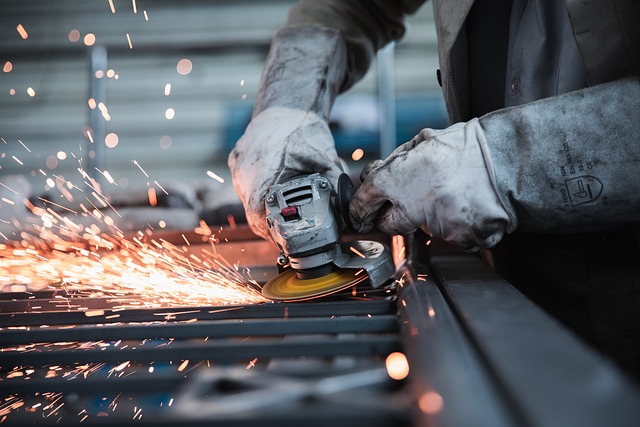
Unparalleled Geometric Flexibility for Complex Designs
One of the most significant benefits of 5-axis machining lies in its ability to tackle intricate geometries that are impossible with conventional 3-axis setups. By allowing the cutting tool or workpiece to rotate and tilt, 5-axis CNC machines can access undercuts, deep cavities, and multi-sided features without repositioning the part. For example, machining a turbine blade for a jet engine requires following its complex airfoil shape, which features curved surfaces and tight tolerances. A 5-axis machine can tilt the tool to maintain a perpendicular cutting angle throughout the process, whereas a 3-axis machine would struggle with tool interference or require multiple setups. This flexibility extends to medical implants as well—imagine a custom knee replacement that must match a patient’s unique anatomy. 5-axis machining ensures every contour and surface is precisely carved, eliminating the need for post-machining adjustments.
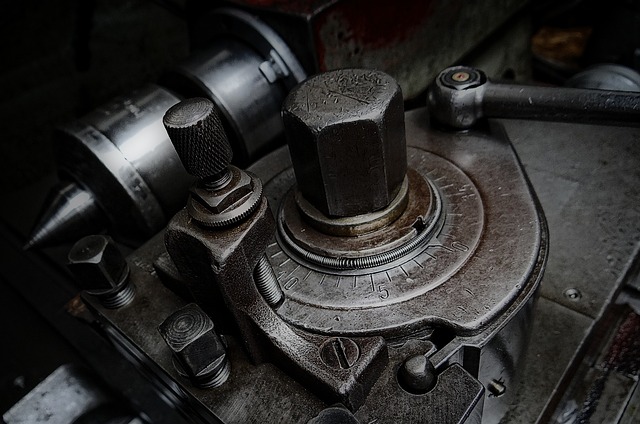
Enhanced Precision and Surface Finish Quality
The simultaneous control of five axes allows 5-axis CNC machines to maintain optimal tool orientation throughout the machining process, resulting in superior precision and surface finish. Unlike 3-axis machines, which may require shallow passes to avoid tool deflection, a 5-axis machine can use shorter, stiffer tools and keep the cutting edge perpendicular to the workpiece surface. This reduces vibration and ensures consistent chip load, leading to tighter tolerances (often within ±0.005mm) and smoother surfaces (down to Ra 0.8μm). For instance, in the production of high-performance automotive components like engine cylinder heads, where airflow efficiency depends on the smoothness of internal ports, 5-axis machining delivers a finish that minimizes turbulence and maximizes performance. The technology also reduces the risk of human error during multi-step setups, as parts can be machined completely in one operation, preserving dimensional accuracy from start to finish.
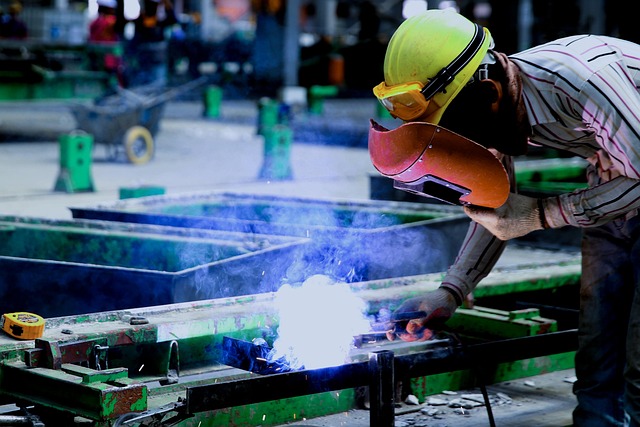
Reduced Setup Times and Production Cycles
Traditional 3-axis machining often requires multiple setups to machine different sides of a part, each introducing the potential for errors and increasing production time. 5-axis CNC machines eliminate this inefficiency by completing all operations in a single setup. Consider a complex aerospace bracket that needs holes, slots, and contoured surfaces on multiple sides. A 3-axis machine might require three separate setups, each with its own alignment steps, while a 5-axis machine can handle all features in one go. This not only reduces labor costs but also minimizes the cumulative errors that arise from repositioning the workpiece. Additionally, 5-axis toolpaths can be optimized for efficiency—by tilting the tool, engineers can use shorter cutting tools that machine faster and with less wear, further reducing cycle times. For manufacturers producing small batches or custom parts, this agility translates to quicker turnaround and faster time-to-market.
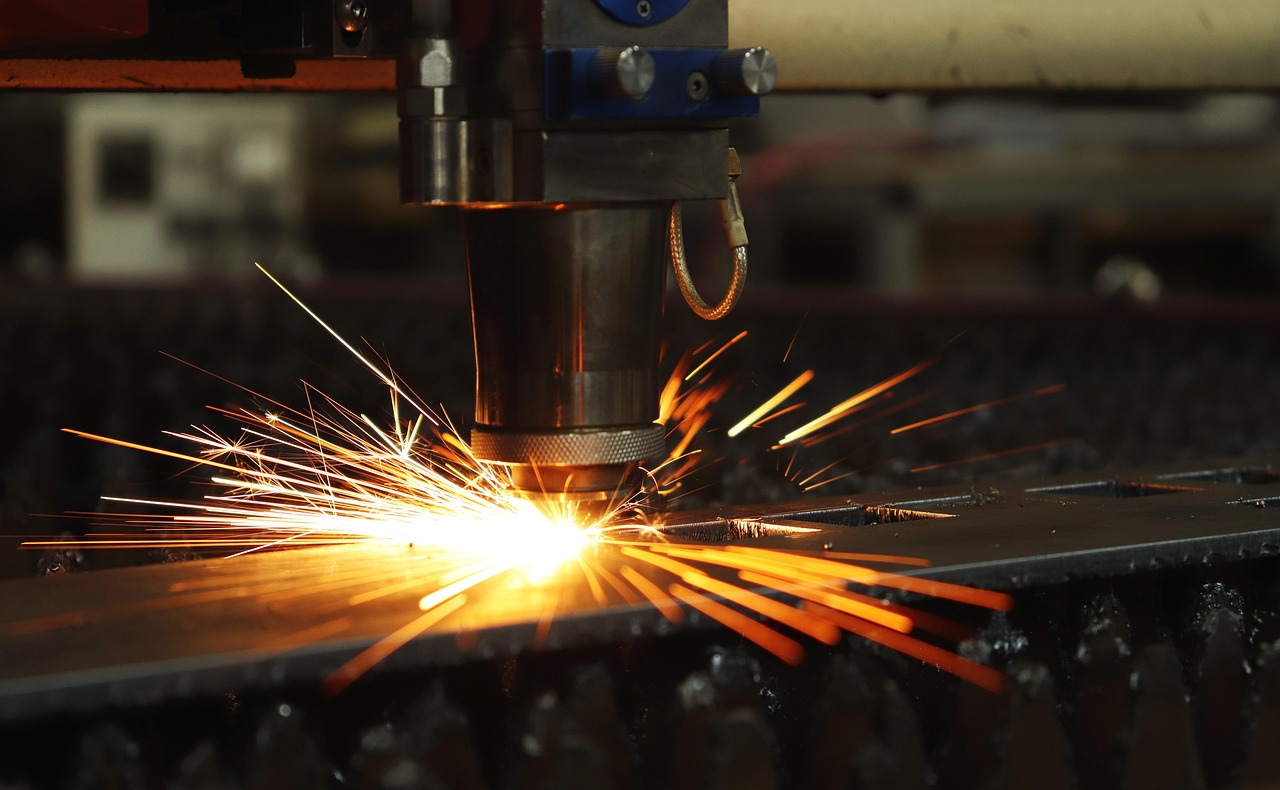
Cost-Effectiveness Through Efficiency and Material Savings
While 5-axis CNC machines involve a higher initial investment than 3-axis systems, their long-term cost benefits are substantial. The reduction in setup times and labor costs, coupled with improved tool life (due to optimized cutting angles), lowers per-part production expenses. Moreover, 5-axis machining minimizes material waste by enabling more efficient toolpaths. For example, when machining a complex mold core, a 5-axis machine can remove material more strategically, reducing the amount of stock needed and avoiding the need for excessive roughing passes. In industries like motorsports, where lightweight components are critical, 5-axis technology allows for intricate material removal to achieve optimal strength-to-weight ratios without compromising structural integrity. The ability to produce parts in fewer setups also means less energy consumption and a smaller environmental footprint, aligning with sustainable manufacturing goals.
Enabling Innovation in High-Tech Industries
Perhaps the most transformative benefit of 5-axis machining is its role in driving innovation across high-tech sectors. In aerospace, it enables the production of fuel-efficient engine components with complex internal cooling channels that were once impossible to machine. In medical device manufacturing, it allows for the creation of patient-specific implants that integrate seamlessly with the human body, improving surgical outcomes. Even in consumer electronics, 5-axis CNC machines contribute to sleeker designs by enabling intricate housings and components with tight tolerances. As industries demand more complex, high-performance products, 5-axis machining serves as a catalyst, bridging the gap between innovative designs and tangible prototypes. Its precision and flexibility empower engineers to push the boundaries of what’s possible, knowing that their concepts can be manufactured with accuracy.
Conclusion
5-axis machining isn’t just an upgrade from 3-axis CNC machines—it’s a paradigm shift in manufacturing. By combining geometric flexibility, precision, and efficiency, it addresses the challenges of modern production, from complex aerospace parts to customized medical devices. While the technology requires an investment in equipment and expertise, its ability to reduce setup times, enhance part quality, and enable innovation makes it indispensable for industries striving for excellence. As CNC technology continues to evolve, 5-axis machining will remain at the forefront, shaping the future of manufacturing one precise, multi-dimensional part at a time.
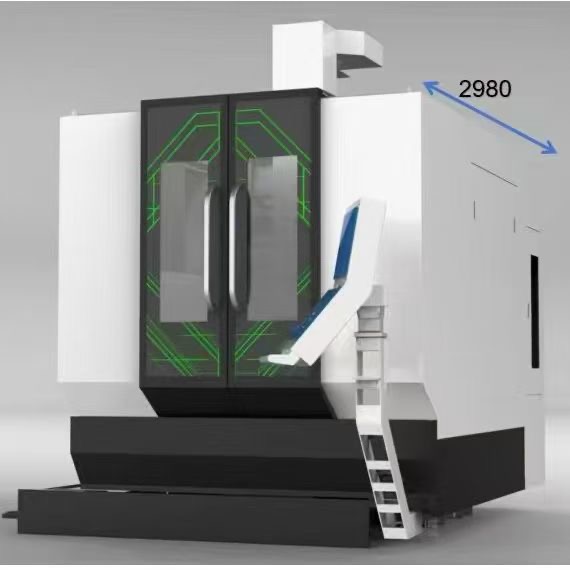


What Is The 5-axis Concept
What Is A 5-axis Machining Center
Related Article
Poor surface finish, inconsistent dimensions, vibration, or an unexpected stop doesn’t always mean something is wrong with your CNC lathe. Worn tooling, poor workholding, and unsuitable cutting parameters can cause many of the same symptoms.
Common problems and solutions for CNC lathes
How to Choose a CNC Lathe for Shaft Machining: A Guide to Types, Models, Materials, and Machining Capacity