What Are The Components of A Machining Center
author: Yannis
2025-04-22

Cultivated in CNC Machine Industry for 20+ years.
Specializing in CNC Milling, Drilling, Turning, Tapping, and so on...
Self-created Brand LiSN for 10+ Years



What Are The Components of A Machining Center
In the world of CNC (Computer Numerical Control) manufacturing, machining centers are powerhouses of precision and efficiency. These advanced machines are capable of performing multiple machining operations in a single setup, revolutionizing the production process. To understand how machining centers work their magic, it's essential to delve into their key components. Each part plays a crucial role in enabling the machining center to execute complex tasks with accuracy and speed.

The Spindle System: The Heart of Machining
The spindle system is the beating heart of a machining center. It holds and rotates the cutting tool, facilitating the removal of material from the workpiece. Powered by a high-performance motor, the spindle can achieve a wide range of rotational speeds, often varying from a few hundred to tens of thousands of revolutions per minute (RPM). The speed and power of the spindle determine the types of materials it can process, from soft plastics to hard metals.
Modern machining centers feature advanced spindle systems with automatic tool clamping and unclamping mechanisms. These mechanisms work in tandem with the CNC control system to ensure quick and secure tool changes. When the CNC program calls for a different tool, the spindle precisely releases the current tool and holds the new one in place, minimizing downtime between operations.

Automatic Tool Changer (ATC): Enhancing Versatility
One of the most distinctive features of a machining center is the Automatic Tool Changer. The ATC acts as a storage hub for a diverse array of cutting tools, typically housing any where from 12 to over 100 tools, depending on the machine's size and complexity. This vast tool library allows the machining center to perform multiple operations without manual intervention.
When the CNC program dictates a tool change, the ATC swings into action. Using a combination of mechanical and electrical components, it precisely retrieves the required tool from its storage location and replaces the current tool on the spindle. This automated process occurs within seconds, enabling seamless transitions between different machining tasks, such as milling, drilling, and tapping. The ATC's efficiency significantly boosts the productivity of the machining center, making it ideal for complex manufacturing jobs.

Worktable and Axis Configuration: Precision Movement
The worktable of a machining center serves as the foundation for holding the workpiece during machining. It is designed to withstand heavy loads and maintain stability even under the forces generated during cutting operations. The worktable can move along multiple axes, with the X, Y, and Z axes being the most common. These linear axes control movement in three-dimensional space, allowing the cutting tool to reach every part of the workpiece.
In more advanced machining centers, additional rotary axes, such as the A, B, or C axes, may be incorporated. These rotary axes add another dimension of movement, enabling the machining of complex geometries and intricate shapes. The movement of all axes is precisely controlled by the CNC system, which uses servo motors and feedback devices, like encoders, to ensure accurate positioning of the cutting tool relative to the workpiece. This precise axis configuration is crucial for achieving the high levels of accuracy that machining centers are known for.

CNC Control System: The Brain Behind the Operation
The CNC control system is the brain of the machining center. It reads and interprets the G-code programs generated by CAD/CAM software. These programs contain detailed instructions for every aspect of the machining process, including tool paths, spindle speeds, feed rates, and tool change sequences.
The CNC control system sends electrical signals to the various components of the machining center, coordinating their movements to execute the programmed operations. Modern CNC control systems are equipped with powerful processors and user-friendly interfaces, allowing operators to easily input programs, monitor the machining process in real-time, and make adjustments as needed. They also incorporate advanced features such as error detection and compensation algorithms, ensuring high precision and reliability throughout the machining process.

Coolant and Chip Removal System: Maintaining Efficiency
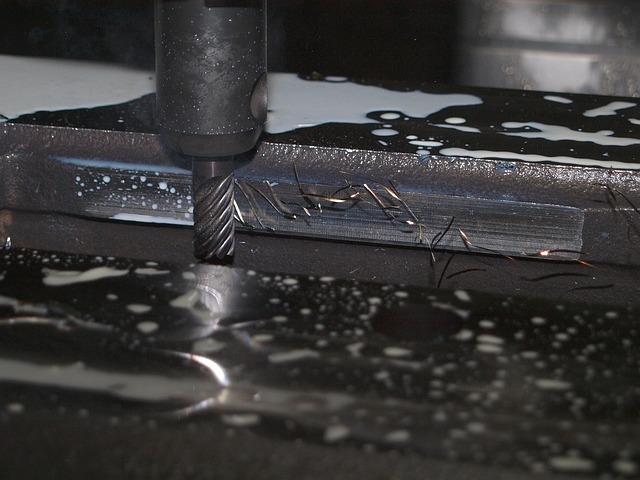
To keep the machining process running smoothly, machining centers are equipped with a coolant and chip removal system. The coolant system floods the cutting area with coolant, which serves multiple purposes. It cools the cutting tool and workpiece, preventing overheating and extending the tool's lifespan. The coolant also lubricates the cutting process, reducing friction and improving the surface finish of the machined part.
Simultaneously, the chip removal system clears away the chips and debris generated during machining. This is essential for maintaining the accuracy of the machining operation, as accumulated chips can interfere with the cutting tool's movement and cause damage to the workpiece. Together, these systems ensure that the machining center operates efficiently and produces high-quality parts.

Conclusion
A machining center is a complex and sophisticated piece of equipment, with each component playing an integral role in its operation. From the spindle system that powers the cutting process to the CNC control system that orchestrates every movement, these components work in harmony to deliver precision, efficiency, and versatility. Understanding the components of a machining center not only provides insight into how these remarkable machines function but also highlights their importance in modern CNC manufacturing. Whether it's producing intricate aerospace parts or complex molds, the components of a machining center make it all possible.


What Is The Difference Between Machine Tool And Machine Center
What Is The Difference Between CNC And Machining Center
Related Article
Poor surface finish, inconsistent dimensions, vibration, or an unexpected stop doesn’t always mean something is wrong with your CNC lathe. Worn tooling, poor workholding, and unsuitable cutting parameters can cause many of the same symptoms.
Common problems and solutions for CNC lathes
How to Choose a CNC Lathe for Shaft Machining: A Guide to Types, Models, Materials, and Machining Capacity