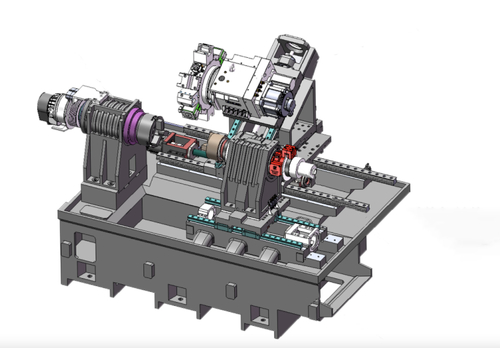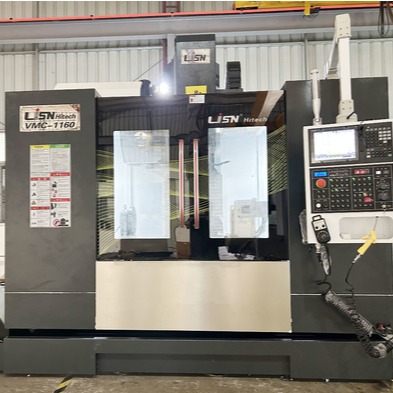
What CNC Means
author: Yannis
2025-05-08
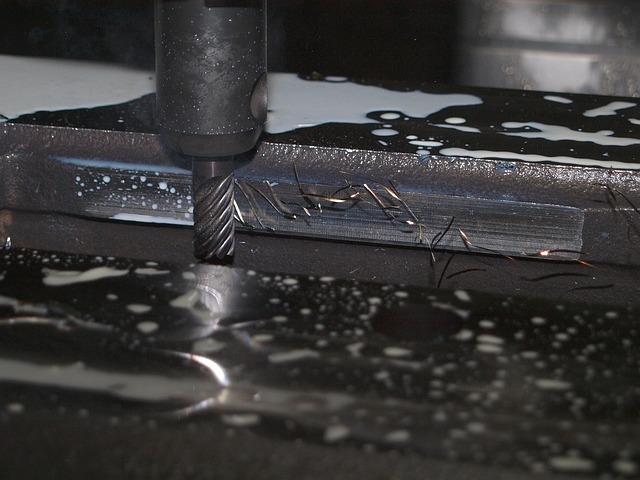

Cultivated in CNC Machine Industry for 20+ years.
Specializing in CNC Milling, Drilling, Turning, Tapping, and so on...
Self-created Brand LiSN for 10+ Years



What CNC Means
In the world of modern manufacturing and engineering, the term CNC is frequently heard, but what does it truly mean? CNC stands for Computer Numerical Control, a revolutionary technology that has transformed traditional machining processes. At its core, CNC represents the use of computers to control machine tools, replacing manual operations with automated, precise, and highly efficient processes. This blog will delve into the details of what CNC means, exploring its components, working principles, and significance in various industries.
The Basics of CNC
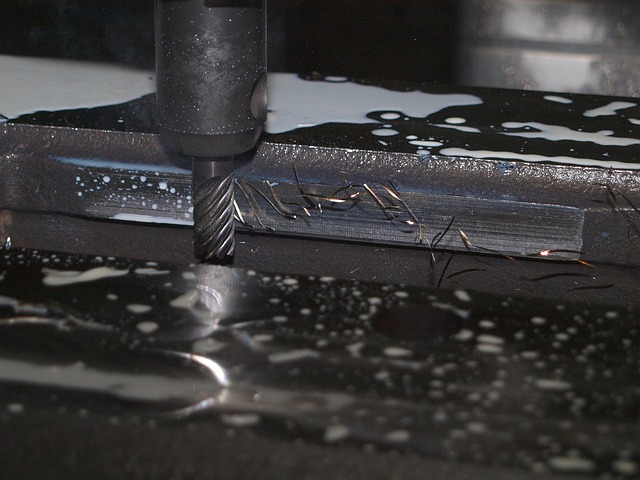
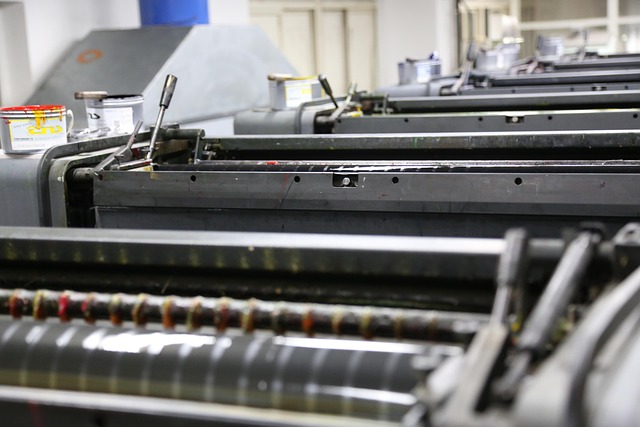
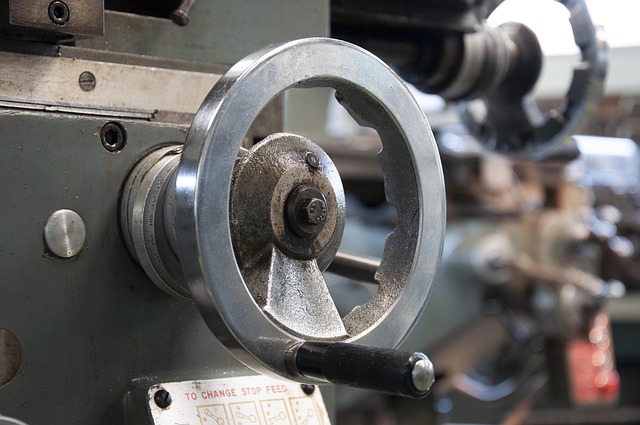
CNC technology is centered around the concept of using digital information to direct the movement of CNC machines. In traditional machining, operators manually control machine tools such as lathes, mills, and drills using levers, handwheels, and other physical controls. However, with CNC, these manual operations are replaced by computer-generated instructions.
CNC machines operate based on pre-programmed instructions, typically written in a standardized language known as G-code. G-code consists of a series of alphanumeric commands that tell the CNC machine how to move its axes, control the speed of the spindle, and operate the cutting tools. These instructions are created using Computer-Aided Design (CAD) and Computer-Aided Manufacturing (CAM) software. CAD software is used to design the part, while CAM software translates the design into G-code, which is then loaded into the CNC machine's control system.
How CNC Machines Work
The operation of a CNC machine begins with the design phase. Engineers or designers use CAD software to create a detailed digital model of the part to be manufactured. This model includes all the necessary dimensions, shapes, and features of the part. Once the design is complete, it is transferred to CAM software.
CAM software analyzes the design and generates the G-code program. It takes into account factors such as the type of material to be machined, the capabilities of the CNC machine, and the desired machining operations (such as milling, turning, or drilling). The generated G-code is then loaded into the CNC machine's control system.
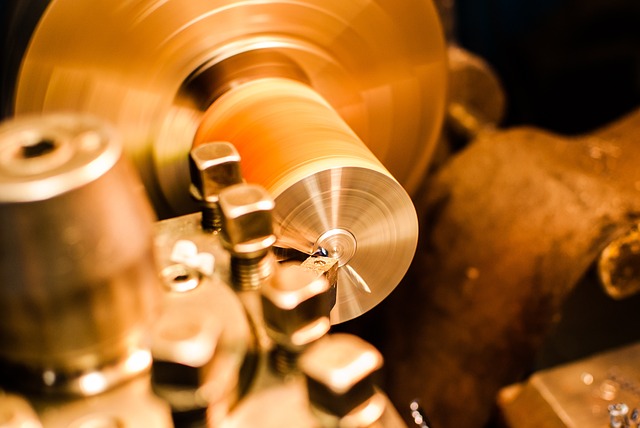
The CNC machine's control system reads the G-code instructions and sends electrical signals to the servo motors. These servo motors are responsible for moving the machine's axes (such as the X, Y, and Z axes in a milling machine) and controlling the spindle speed. As the CNC machine follows the G -code instructions, the cutting tool removes material from the workpiece, gradually shaping it into the desired part. Throughout the machining process, sensors on the CNC machine monitor its position and performance, providing feedback to the control system to ensure accuracy and make any necessary adjustments.
Key Advantages of CNC
One of the most significant advantages of CNC is its ability to achieve extremely high levels of precision. CNC machines can produce parts with tolerances as tight as ±0.001mm, ensuring that each component meets exact specifications. This precision is crucial in industries such as aerospace, automotive, and medical device manufacturing, where even the slightest deviation can have serious consequences.
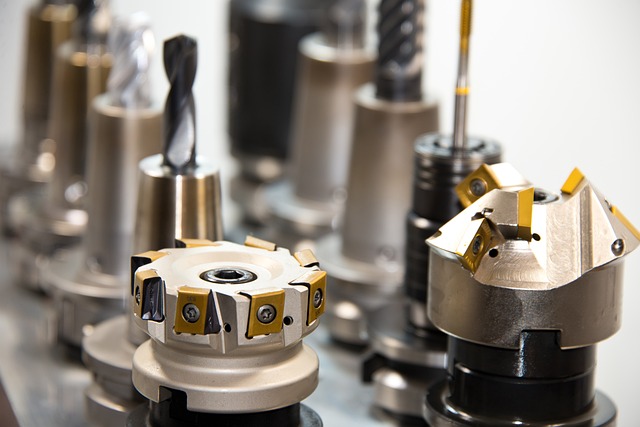
CNC also offers increased productivity. Once programmed, CNC machines can run continuously for long periods with minimal human intervention. Automatic tool changers and optimized machining cycles reduce downtime, allowing for faster production rates. This makes CNC suitable for both small - batch custom production and large-scale manufacturing runs.
Another advantage is flexibility. With a simple change of the G-code program, a CNC machine can switch from producing one type of part to another. This makes it easy for manufacturers to adapt to changing customer demands and product designs without significant retooling.
Applications of CNC
CNC technology is widely used across various industries. In the automotive industry, CNC machines are used to manufacture engine components, transmission parts, and body panels. The high precision and repeatability of CNC ensure the quality and performance of automotive products.
In the aerospace sector, CNC plays a vital role in producing critical components such as turbine blades, aircraft structural parts, and landing gear components. The ability to machine complex geometries and work with advanced materials makes CNC indispensable in aerospace manufacturing.
The medical device industry also benefits greatly from CNC. CNC-machined components for surgical instruments, implants, and diagnostic equipment require the highest level of precision and quality to ensure patient safety and effectiveness.
Conclusion
In conclusion, CNC (Computer Numerical Control) is a transformative technology that has revolutionized the way parts are manufactured. By replacing manual operations with computer - controlled processes, CNC offers unparalleled precision, increased productivity, flexibility, and a wide range of applications across multiple industries. As technology continues to evolve, CNC will likely become even more advanced, further enhancing its capabilities and solidifying its position as a cornerstone of modern manufacturing and engineering.


What Is CNC Material
What Are The Strengths of CNC
Related Article
Poor surface finish, inconsistent dimensions, vibration, or an unexpected stop doesn’t always mean something is wrong with your CNC lathe. Worn tooling, poor workholding, and unsuitable cutting parameters can cause many of the same symptoms.
Common problems and solutions for CNC lathes
How to Choose a CNC Lathe for Shaft Machining: A Guide to Types, Models, Materials, and Machining Capacity