
What Do You Use A CNC Machine For
author: Yannis
2025-03-17
What Do You Use A CNC Machine For
In the world of modern manufacturing and precision engineering, CNC (Computer Numerical Control) machines have become an indispensable tool. These sophisticated devices have revolutionized the way products are made, offering unparalleled accuracy, efficiency, and versatility. But what exactly do you use a CNC machine for? Let's delve into the various applications of these remarkable machines.

CNC Machines in Manufacturing
Precision Machining
CNC machines are renowned for their ability to perform highly precise machining operations. Whether it's cutting, drilling, milling, or turning, these machines can achieve tolerances within a few thousandths of an inch. This level of precision is crucial in industries such as aerospace, where even the slightest deviation can have catastrophic consequences. For example, in the production of aircraft engine components, CNC machines are used to machine parts with intricate geometries and tight tolerances, ensuring optimal performance and safety.
Mass Production
Another key use of CNC machines is in mass production. Once a program is written and optimized for a particular part, the CNC machine can reproduce that part over and over again with consistent accuracy. This makes it ideal for industries that require large quantities of identical parts, such as the automotive industry. Car manufacturers use CNC machines to produce engine blocks, transmission components, and other critical parts in high volumes, reducing production time and costs.

CNC Machines in Woodworking
Custom Furniture Making
CNC machines have opened up new possibilities in the world of woodworking. They allow woodworkers to create intricate and detailed designs that would be extremely difficult or time-consuming to achieve by hand. For custom furniture makers, a CNC router can be used to cut complex shapes in wood, such as decorative panels, chair legs with unique profiles, and inlaid patterns. This not only speeds up the production process but also enables the creation of one-of-a-kind pieces that are highly sought after by customers.
Cabinetry and Joinery
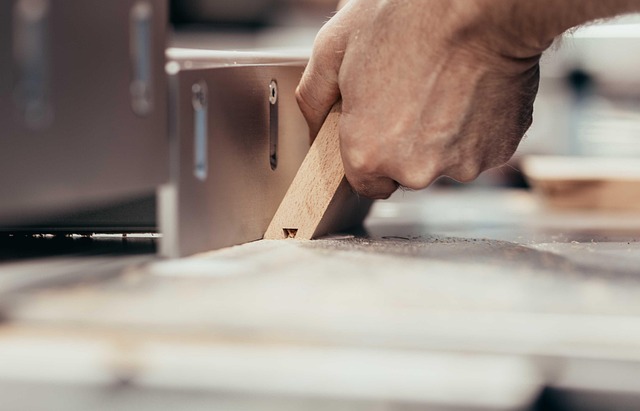
In the cabinetry and joinery industry, CNC machines are used to cut and shape wood components for cabinets, doors, and drawers. They can accurately cut dadoes, rabbets, and other joinery features, ensuring a perfect fit between parts. This results in high-quality, durable cabinetry that is both functional and aesthetically pleasing.
CNC Machines in the Jewelry Industry
Precision Jewelry Manufacturing
The jewelry industry demands the highest level of precision and craftsmanship. CNC machines have become an essential tool for jewelry manufacturers, allowing them to create intricate and detailed designs with ease. Using a CNC milling machine or a 3D printer (a type of CNC device), jewelers can produce wax molds for casting that have extremely fine details. These molds can then be used to create jewelry pieces with elaborate settings, filigree work, and unique shapes.
Custom Jewelry Design
For custom jewelry designers, CNC machines offer the flexibility to bring their client's visions to life. By using computer-aided design (CAD) software, designers can create 3D models of jewelry pieces, which can then be translated into instructions for the CNC machine. This allows for the production of personalized jewelry that meets the customer's exact specifications.

CNC Machines in Prototyping
Rapid Prototyping
In product development, rapid prototyping is a crucial step. CNC machines play a vital role in this process by allowing engineers and designers to quickly create physical prototypes of their ideas. Using materials such as plastics, metals, or composites, a CNC machine can be programmed to cut and shape the prototype according to the design specifications. This enables designers to test the functionality, form, and fit of the product early in the development cycle, saving time and reducing the cost of making design changes.
Design Iteration
With a CNC machine, it is easy to make modifications to the prototype based on feedback. The machine can quickly produce updated versions of the prototype, allowing for multiple design iterations until the perfect product is achieved. This iterative process is essential for bringing innovative products to market.

CNC Machines and Different Materials
Metals
CNC machines are highly effective at working with a variety of metals, including aluminum, steel, and titanium. These machines can cut, drill, and shape metal with precision, making them suitable for applications such as metal fabrication, tool and die making, and the production of automotive and aerospace parts. The ability to work with different metals gives manufacturers the flexibility to choose the material best suited for the specific requirements of the product.
Plastics
Plastics are another common material processed by CNC machines. Whether it's acrylonitrile butadiene styrene (ABS), polycarbonate, or polyethylene, CNC machines can be used to create plastic parts with smooth surfaces and accurate dimensions. Plastic parts produced by CNC machines are used in a wide range of industries, from consumer electronics to medical devices.

Conclusion
In conclusion, CNC machines have a vast range of applications across multiple industries. From precision machining in manufacturing to custom design in woodworking and jewelry making, and from rapid prototyping to working with various materials, these machines have transformed the way products are created. Their ability to combine accuracy, efficiency, and versatility makes them an essential tool for any business or individual involved in the creation of physical objects. As technology continues to advance, we can expect CNC machines to play an even more significant role in shaping the future of manufacturing and design.


What Is The Industry Standard For CNC Machining
What Does CNC Job Mean
Related Article

Poor surface finish, inconsistent dimensions, vibration, or an unexpected stop doesn’t always mean something is wrong with your CNC lathe. Worn tooling, poor workholding, and unsuitable cutting parameters can cause many of the same symptoms.
Common problems and solutions for CNC lathes

How to Choose a CNC Lathe for Shaft Machining: A Guide to Types, Models, Materials, and Machining Capacity

