
What Does A CNC Lathe Operator Do
author: Yannis
2025-03-22
What Does A CNC Lathe Operator Do
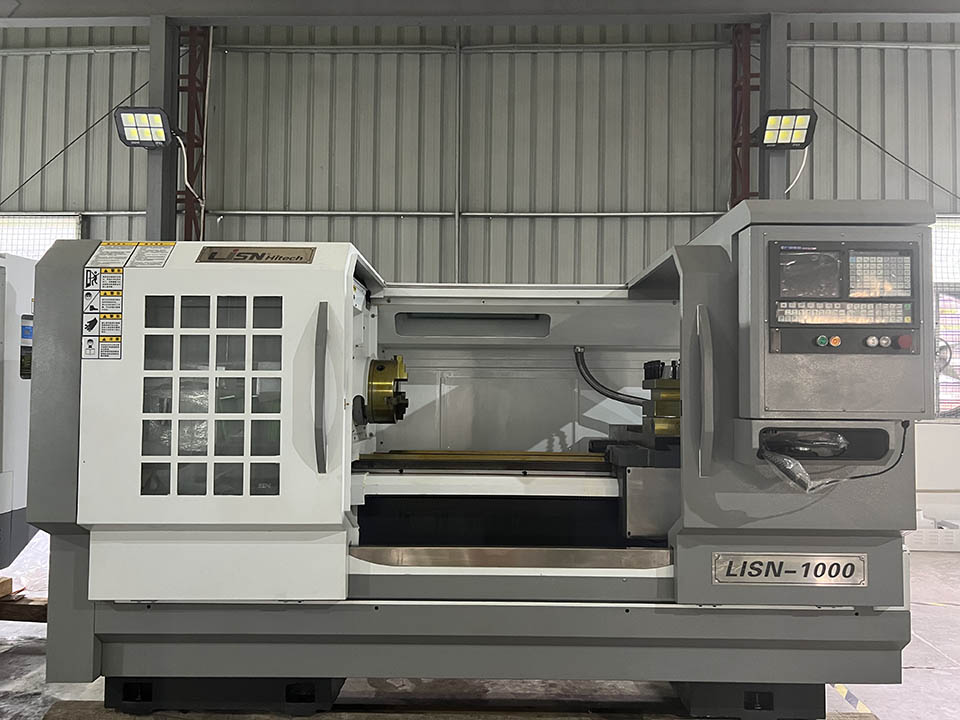
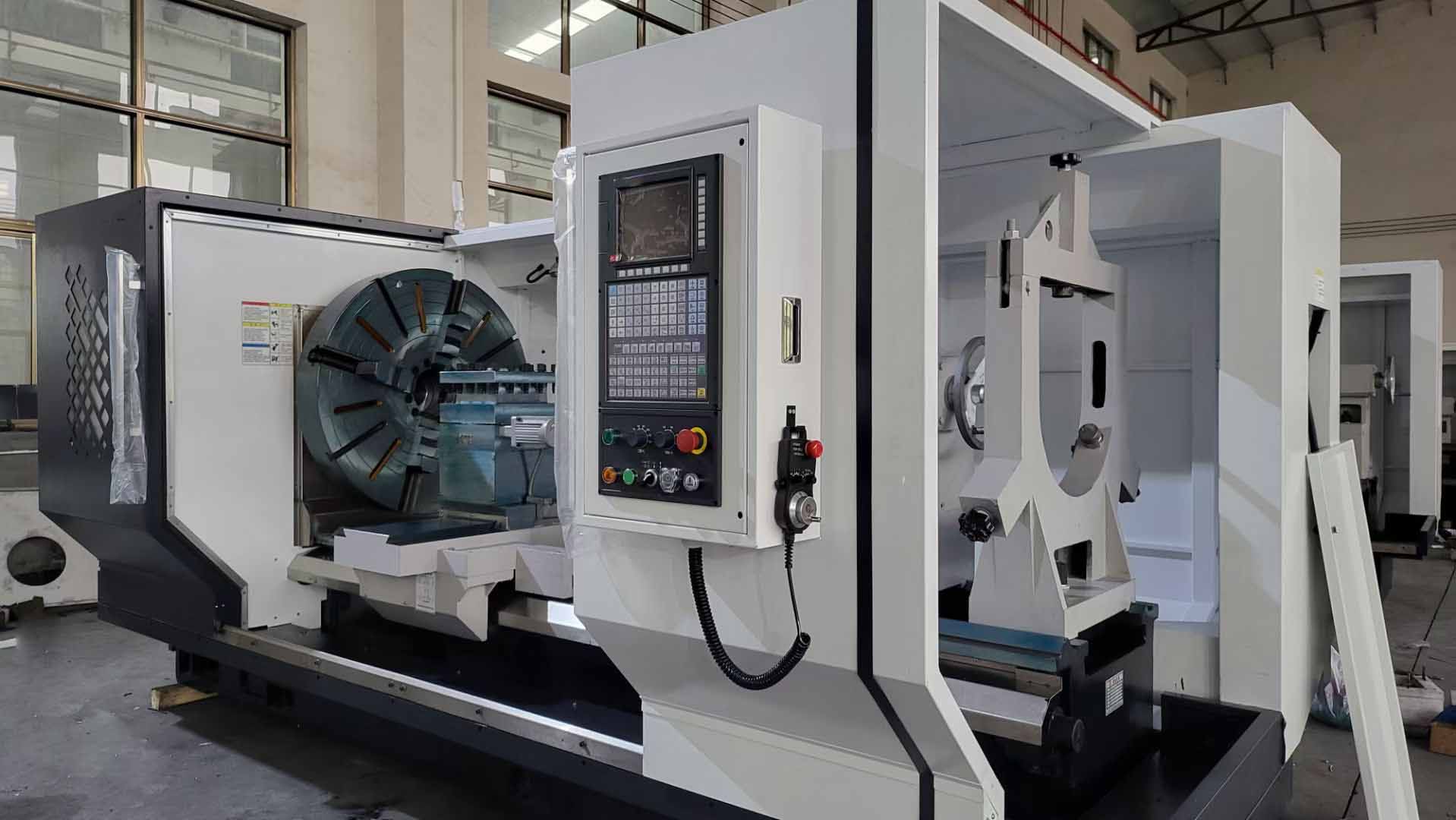
In the intricate world of modern manufacturing, the role of a CNC lathe operator is both vital and multi-faceted. As the key figure behind the operation of CNC lathes, which are integral CNC machines, these professionals ensure the smooth and efficient production of precision parts. Let's explore in detail what their day - to - day tasks entail.

Setup and Preparation
Machine Inspection
Before starting any work, a CNC lathe operator must thoroughly inspect the CNC lathe. This involves checking the mechanical components such as the spindle, tool turret, and axes for any signs of wear or damage. They also verify the functionality of the CNC control system, ensuring that all software is up-to-date and free of glitches. For example, they might check for any error messages on the control panel that could indicate a problem with the machine's operation.
Workpiece and Tool Selection
Based on the specifications of the part to be produced, the operator selects the appropriate workpiece material. This could range from metals like aluminum, steel, or titanium, depending on the requirements of the final product. Additionally, they choose the right cutting tools for the job. Different operations such as turning, threading, or drilling require specific types of tools, and the operator must ensure that the tools are sharp and in good condition. For instance, a threading operation on a CNC lathe would demand a threading tool with the correct pitch and profile.
Mounting and Setup
The operator then mounts the workpiece onto the spindle of the CNC lathe, ensuring it is centered and securely fastened. This step is crucial as an improperly mounted workpiece can lead to inaccurate machining. After that, they load the selected cutting tools into the tool turret and set the tool offsets in the CNC control system. Tool offsets account for the physical differences between the tools and are essential for the machine to precisely position the cutting edges relative to the workpiece.

Programming and Operation
Understanding G-code
CNC lathe operators need to have a good understanding of G-code, which is the language used to program CNC machines. They may either work with pre-written programs provided by engineers or modify existing programs to suit the specific requirements of a job. For example, if a part has a slightly different diameter or length than the standard program, the operator may need to adjust the G-code instructions for the X and Z axes movements.
Starting the Machine
Once the setup and programming are complete, the operator starts the CNC lathe. They carefully monitor the initial operation of the machine, observing the rotation of the spindle, the movement of the cutting tools, and the overall machining process. They adjust the speed and feed rates of the machine as necessary to ensure optimal cutting conditions. If the material being machined is particularly hard, they might reduce the feed rate to prevent overheating of the cutting tool.

Monitoring and Maintenance
Process Monitoring
During the machining process, the operator continuously monitors the CNC lathe to ensure everything is running smoothly. They keep an eye on factors such as the sound of the machine, the chip formation, and the surface finish of the workpiece. Unusual noises could indicate a problem with the cutting tool, such as a dull edge or a broken insert. By closely monitoring the chip formation, the operator can also tell if the cutting parameters are correct. For example, long, stringy chips may suggest that the cutting speed is too high.
Maintenance and Troubleshooting
Regular maintenance is an important part of the CNC lathe operator's job. They clean the machine after each use, removing chips and debris that could potentially damage the moving parts. They also perform routine checks on the lubrication system, coolant levels, and the overall mechanical integrity of the CNC lathe. In case of any malfunctions, the operator is responsible for troubleshooting the problem. This could involve checking for loose connections, faulty sensors, or software issues. If the machine suddenly stops during operation, the operator might first check if there is a power interruption or then delve deeper into the control system to identify the root cause.

Quality Control
Measuring and Inspecting Parts
CNC lathe operators are responsible for ensuring the quality of the parts they produce. They use various measuring tools such as calipers, micrometers, and gauges to measure the dimensions of the machined parts. These measurements are compared to the specified tolerances in the engineering drawings. For example, if a part is supposed to have a diameter of 10 ± 0.05 mm, the operator will measure the diameter at multiple points to ensure it falls within this range.
Making Adjustments
If a part does not meet the required specifications, the operator makes the necessary adjustments. This could involve modifying the cutting parameters, adjusting the tool offsets, or even re - programming the machine. For instance, if a part is slightly undersized, the operator may increase the tool offset to remove less material during the next pass.

Conclusion
In summary, a CNC lathe operator plays a crucial role in the manufacturing process. From setting up the CNC lathe and programming it to monitoring its operation, performing maintenance, and ensuring quality control, their expertise is essential for the production of high - precision parts. Their work not only impacts the efficiency of the manufacturing process but also the quality of the final products that find their way into various industries, from aerospace to automotive and beyond. As technology in CNC machines continues to evolve, the skills and responsibilities of CNC lathe operators will also adapt and expand, further solidifying their importance in the manufacturing landscape.
What Is Called CNC
What Is A CNC Lathe
Related Article

Poor surface finish, inconsistent dimensions, vibration, or an unexpected stop doesn’t always mean something is wrong with your CNC lathe. Worn tooling, poor workholding, and unsuitable cutting parameters can cause many of the same symptoms.
Common problems and solutions for CNC lathes

How to Choose a CNC Lathe for Shaft Machining: A Guide to Types, Models, Materials, and Machining Capacity

