What Does A Machine Center Do
author: Yannis
2025-04-17

Cultivated in CNC Machine Industry for 20+ years.
Specializing in CNC Milling, Drilling, Turning, Tapping, and so on...
Self-created Brand LiSN for 10+ Years



What Does A Machine Center Do
In the intricate world of modern manufacturing, CNC (Computer Numerical Control) technology has revolutionized the production process. Among the various CNC machines, machine centers stand out as versatile powerhouses. This blog will explore what a machine center does, how it operates, and its significance across different industries.

Understanding the Basics of a Machine Center
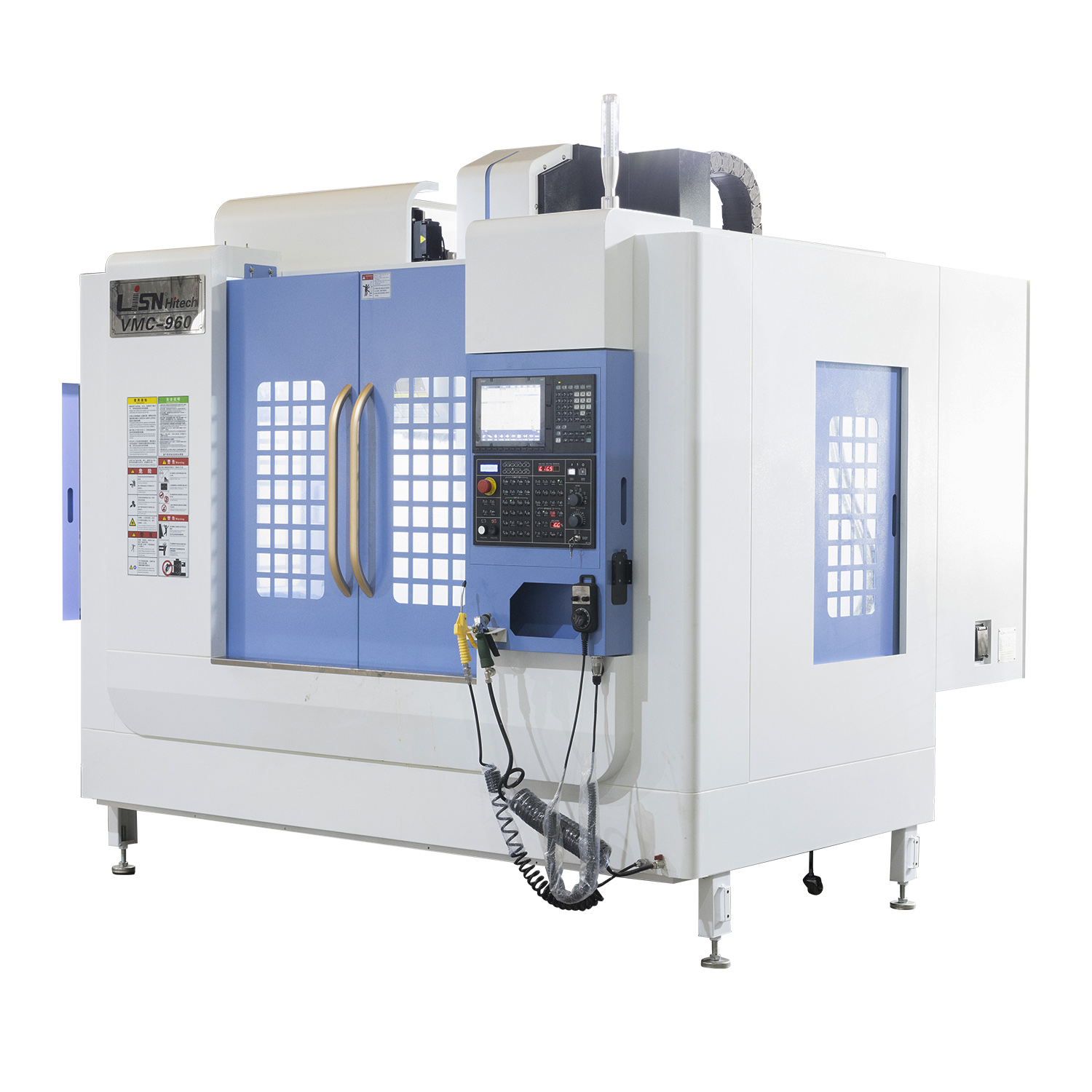
A machine center is a highly automated CNC machine designed to perform multiple machining operations on a workpiece in a single setup. Unlike traditional single-operation machines, machine centers can execute tasks such as milling, drilling, tapping, boring, and reaming without the need for manual repositioning of the workpiece. This integration of capabilities makes them invaluable in streamlining production and enhancing efficiency.
Structure and Key Components
The Spindle Unit
At the heart of a machine center is the spindle unit. It holds the cutting tools and rotates them at high speeds. The spindle is powered by a robust motor, capable of delivering varying speeds depending on the machining requirements. For example, when performing high-speed milling, the spindle can reach speeds of several thousand revolutions per minute (RPM), ensuring efficient material removal.
Automatic Tool Changer (ATC)
One of the defining features of a machine center is the Automatic Tool Changer. The ATC stores a library of cutting tools and can automatically swap them as per the programmed instructions. This eliminates the time-consuming process of manual tool changes, allowing the machine to seamlessly transition between different machining operations. A typical machine center may house anywhere from 12 to over 100 tools in its ATC, depending on its size and complexity.
Worktable and Axis Movement
The worktable of a machine center securely holds the workpiece. It can move along multiple axes (usually X, Y, and Z, and sometimes additional rotary axes like A, B, or C) under the control of the CNC system. The precise movement of these axes enables the cutting tool to reach every part of the workpiece, creating complex geometries with high accuracy.

How a Machine Center Operates
Programming the Operations
The operation of a machine center begins with programming. Using CAD/CAM software, engineers create a digital model of the part and generate the corresponding G-code instructions. These instructions detail every aspect of the machining process, including tool paths, spindle speeds, feed rates, and tool change sequences. Once the program is complete, it is transferred to the CNC controller of the machine center.
Execution of Machining Tasks
The CNC controller reads the G-code instructions and commands the various components of the machine center. The spindle starts rotating at the specified speed, and the worktable positions the workpiece accurately. When a tool change is required, the ATC swings into action, removing the current tool and inserting the next one. The machine then continues with the subsequent machining operation, following the programmed path to transform the raw material into the finished part.

Advantages of Machine Centers
Increased Productivity
By eliminating the need for manual tool changes and multiple setups, machine centers significantly boost productivity. They can run continuously for extended periods, producing parts at a rapid pace. The integration of multiple operations also reduces the overall production cycle time.
Enhanced Precision
The CNC control of machine centers ensures consistent precision throughout the machining process. With the ability to control axis movements and spindle speeds with high accuracy, these machines can produce parts that meet strict dimensional requirements, batch after batch.
Flexibility
Machine centers are highly adaptable. A simple change in the G-code program allows them to switch from producing one type of part to another. This flexibility makes them suitable for both small-batch custom production and large-scale manufacturing runs.

Conclusion
A machine center is a crucial asset in modern manufacturing, leveraging CNC technology to perform a multitude of machining operations with efficiency and precision. From automotive to aerospace and beyond, its ability to streamline production, enhance accuracy, and offer flexibility has made it an indispensable tool in the manufacturing industry. As technology continues to advance, machine centers will likely evolve further, driving even greater productivity and innovation in the years to come.


What Is A Machine Center
What Is A Gantry Machine
Related Article
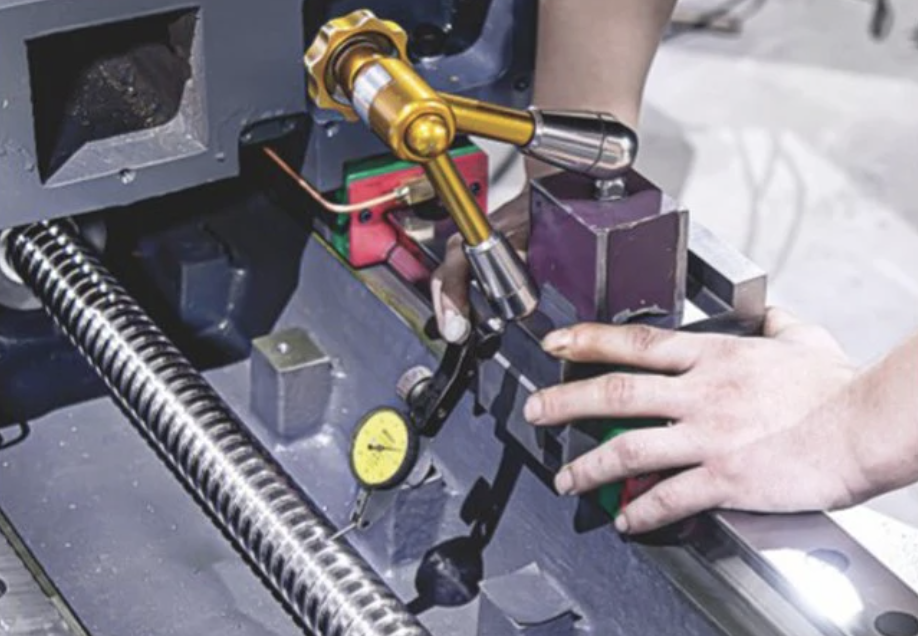
Poor surface finish, inconsistent dimensions, vibration, or an unexpected stop doesn’t always mean something is wrong with your CNC lathe. Worn tooling, poor workholding, and unsuitable cutting parameters can cause many of the same symptoms.
Common problems and solutions for CNC lathes
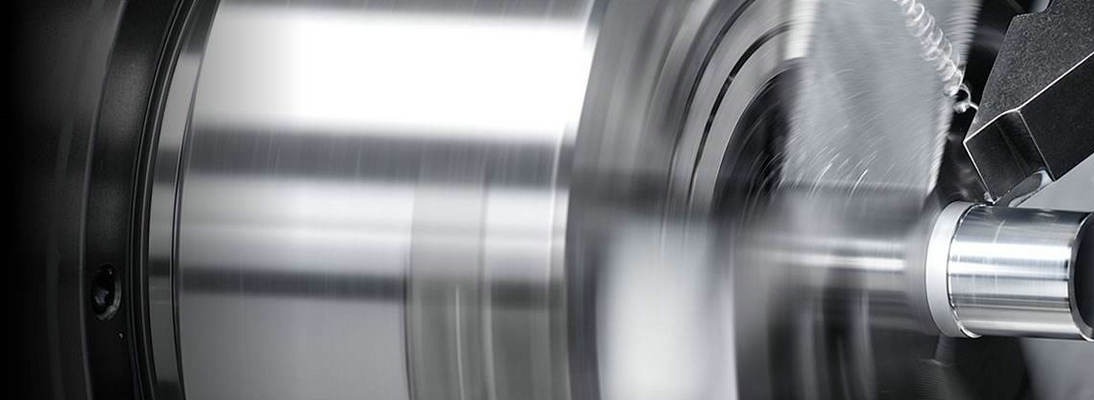
How to Choose a CNC Lathe for Shaft Machining: A Guide to Types, Models, Materials, and Machining Capacity