What Does CNC Work Stand For
author: Yannis
2025-03-24
What Does CNC Work Stand For
In the fast-paced world of modern manufacturing, the term "CNC work" is frequently tossed around. But what exactly does it signify? Let's embark on a journey to uncover the true meaning and implications of CNC work.

Unraveling the Basics of CNC
CNC stands for Computer Numerical Control. At its essence, CNC is a technology that replaces manual control of machine tools with computer-based automation. Instead of a human operator physically guiding the movements of a cutting tool or a workpiece, a pre-written set of instructions takes charge. These instructions are fed into a computer system that controls the various axes and functions of a CNC machine. This revolutionary approach has transformed manufacturing, offering levels of precision, repeatability, and efficiency that were once unimaginable.

The Core Components of CNC Work
CNC Machines
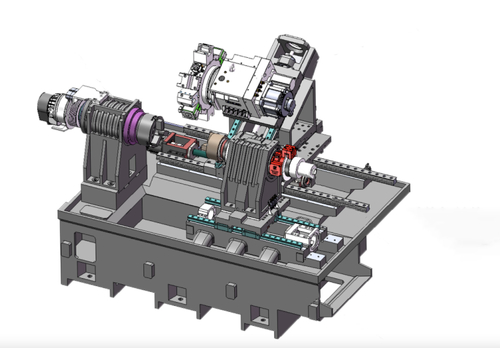
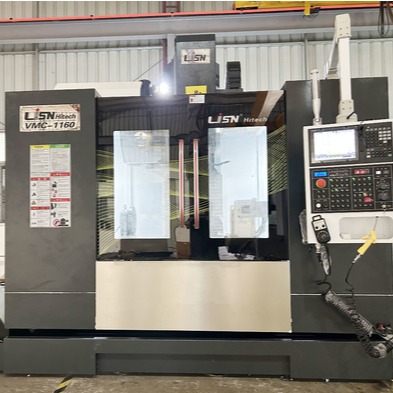
CNC machines are the workhorses of CNC work. These are mechanical devices equipped with motors, sensors, and a control unit. There are numerous types of CNC machines, each tailored to specific manufacturing tasks. One of the most common is the CNC lathe. A CNC lathe rotates a workpiece on its axis while a cutting tool shapes it. This process is used to create cylindrical parts with precise dimensions. Other types include CNC mills, which use rotary cutters to remove material from a workpiece, and CNC routers, often employed for cutting and shaping materials like wood and plastic.
Programming in CNC Work
A crucial aspect of CNC work is programming. Skilled programmers create the instructions that tell the CNC machine what to do. This is typically done using a programming language such as G-code. The programming process starts with a design, often created using computer-aided design (CAD) software. The CAD model is then translated into a machine-readable code through computer-aided manufacturing (CAM) software. This code contains all the details about the movement of the cutting tools, the speed of the spindle, and the feed rates. For example, in the case of a CNC lathe, the program will specify the rotation speed of the workpiece, the depth of the cut, and the movement of the tool along the X and Z axes.

The Process of CNC Work
Setup
Before any machining can begin, a proper setup is essential. This involves mounting the workpiece securely onto the CNC machine. In the case of a CNC lathe, the workpiece is carefully centered and clamped onto the spindle. Next, the appropriate cutting tools are selected and installed in the tool holder. The tool offsets are then set in the machine's control system. These offsets account for the differences in the physical dimensions of the tools and ensure accurate machining.
Execution
Once the setup is complete, the program is loaded into the CNC machine's control unit. The machine then springs into action. The control unit reads the code line by line and sends signals to the motors that drive the axes of the machine. These motors precisely move the cutting tools and the workpiece according to the programmed instructions. For instance, in a CNC lathe, the motors will rotate the spindle at the specified speed and move the tool turret to perform operations like turning, threading, and drilling.

Advantages of CNC Work
Precision
One of the most significant advantages of CNC work is its ability to achieve extremely high precision. CNC machines can produce parts with tolerances as small as a few thousandths of an inch. This level of accuracy is crucial in industries such as aerospace and medical device manufacturing, where even the slightest deviation can have serious consequences.
Repeatability
CNC work ensures consistent results. Once a program is written, the CNC machine can repeat the same operations over and over again with identical results. This is a huge advantage in mass production, as it guarantees that every part is of the same high quality.
Efficiency
CNC machines can operate continuously, often with minimal operator intervention. They can work at high speeds, reducing production time significantly. For example, a CNC lathe can produce multiple parts in a fraction of the time it would take a manual lathe operator.

Applications of CNC Work in Different Industries
Aerospace Industry
In the aerospace industry, CNC work is used extensively. CNC machines are used to manufacture critical components such as turbine blades, engine parts, and aircraft structural components. The high precision and reliability of CNC work are essential for ensuring the safety and performance of aircraft.
Automotive Industry
The automotive industry relies heavily on CNC work for the production of parts such as engine blocks, transmission components, and brake parts. CNC machines enable the mass production of high-quality parts, which is crucial for meeting the demands of the automotive market.
Manufacturing of Consumer Goods
Even in the production of everyday consumer goods, CNC work plays a role. From the precision - made components in electronics to the stylishly designed parts in furniture, CNC technology helps create products that are both functional and aesthetically pleasing.

Conclusion
In conclusion, CNC work encompasses a wide range of activities related to the use of Computer Numerical Control technology in manufacturing. It involves programming, operating CNC machines like CNC lathes, and ensuring the production of high - quality parts. As technology continues to advance, CNC work will only become more sophisticated, further revolutionizing the manufacturing landscape. Whether it's a small - scale job in a local machine shop or a large - scale production in a multinational factory, CNC work is at the heart of modern manufacturing.


What Is CNC And VMC
What Is Called CNC
Related Article
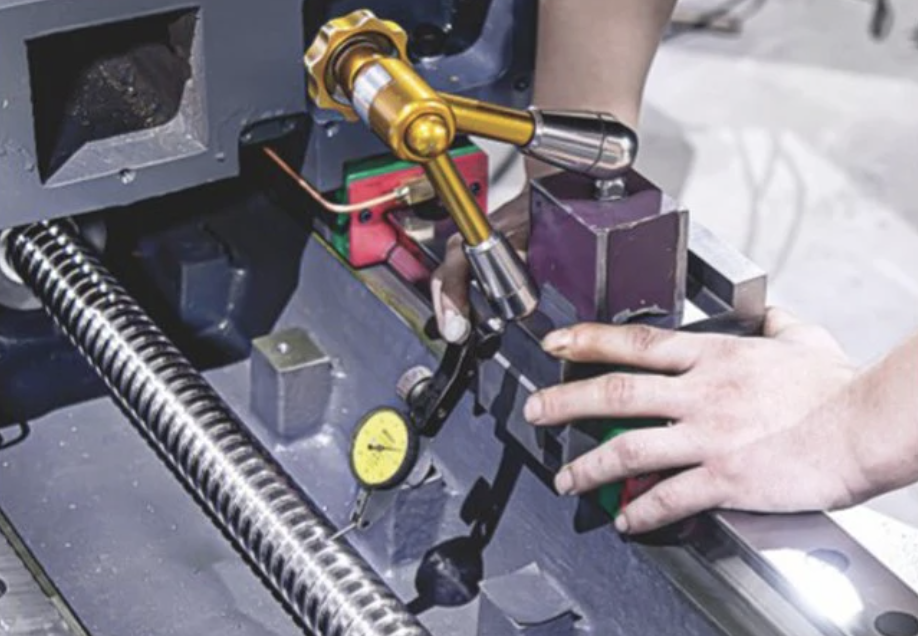
Poor surface finish, inconsistent dimensions, vibration, or an unexpected stop doesn’t always mean something is wrong with your CNC lathe. Worn tooling, poor workholding, and unsuitable cutting parameters can cause many of the same symptoms.
Common problems and solutions for CNC lathes
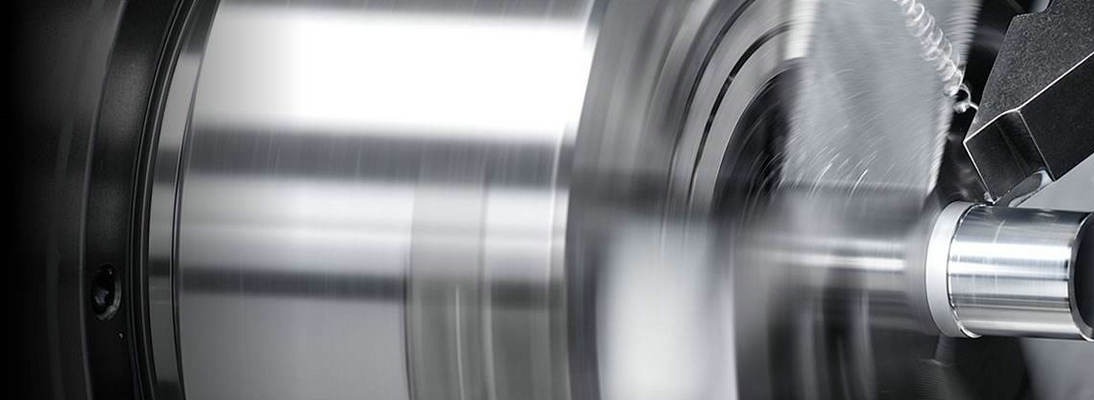
How to Choose a CNC Lathe for Shaft Machining: A Guide to Types, Models, Materials, and Machining Capacity