What Factors Will Affect The Price Of A CNC Lathe
author: Yannis
2025-03-03
What Factors Will Affect The Price Of A CNC Lathe
In the competitive landscape of modern manufacturing, CNC lathes are pivotal tools for achieving precision and efficiency in metalworking. However, determining the cost of a CNC lathe can be complex, with prices ranging from a few thousand to hundreds of thousands of dollars. This guide explores the key factors influencing CNC lathe pricing, practical considerations for buyers, and the role of Dongguan Lizhun Machinery Co., LTD, and LiSN in delivering reliable, EMC-compliant solutions.

1. Key Factors Influencing CNC Lathe Prices
The cost of a CNC lathe is shaped by multiple variables, reflecting its design, capabilities, and market positioning. Below are the primary determinants:
1.1 Machine Type and Configuration
- 2-Axis vs. Multi-Axis Lathes: Basic 2-axis lathes handle simple turning operations, while multi-axis models (e.g., 4-axis) support complex geometries, commanding higher prices.
- Bed Size and Swing Capacity: Larger lathes with extended bed lengths and higher swing diameters (e.g., 1,000 mm+) are pricier due to material and engineering demands.
1.2 Performance Specifications
- Spindle Speed: High-speed spindles (e.g., 10,000+ RPM) enable faster machining but require advanced cooling systems, increasing costs.
- Precision Tolerance: Lathes with tighter tolerances (e.g., ±0.001 mm) use premium components like linear guides and high-grade ball screws.
1.3 Brand Reputation
Established manufacturers like Dongguan Lizhun Machinery Co., LTD invest in R&D, quality control, and customer support, justifying higher price points. Lesser-known brands may offer lower costs but often lack long-term reliability.
1.4 Additional Features
- Live Tooling: Enables milling and drilling operations directly on the lathe, boosting versatility but adding to the price.
- Automation: Features like automatic tool changers (ATCs) or robotic loading systems enhance productivity but increase upfront costs.

2. Price Range by CNC Lathe Category
CNC lathes are categorized based on size, functionality, and intended use:
2.1 Hobbyist and Entry-Level Lathes
- Examples: Mini lathes (e.g., 7x14-inch models) or benchtop machines.
- Use Case: Prototyping, small batches, or educational purposes.
2.2 Mid-Range Industrial Lathes
- Examples: Toolroom lathes with 3-axis capabilities or mid-sized production models.
- Use Case: General metalworking, automotive parts, and medium-scale production.
2.3 High-End Production Lathes
- Examples: Heavy-duty, multi-axis lathes with live tooling and automation.
- Use Case: Aerospace components, medical devices, and large-scale industrial production.

3. Hidden Costs of Owning a CNC Lathe
Beyond the initial purchase, consider these long-term expenses:
- Software Licensing: CAD/CAM software
- Tooling and Maintenance: Replacement tools, coolant systems, and regular servicing
- Training: Operator training programs ensure optimal machine use.
4. Choosing the Right CNC Lathe for Your Needs
4.1 Define Your Application
- Material: Aluminum or steel machining requires robust spindles and rigid frames.
- Complexity: Multi-axis lathes are ideal for intricate parts, while 2-axis models suffice for simple designs.
4.2 Balance Budget and Requirements
- Hobbyists
- Manufacturers: Invest in high-end models with automation for scalability.
4.3 Evaluate After-Sales Support
Brands like Dongguan Lizhun Machinery Co., LTD offer comprehensive warranties, technical assistance, and spare parts availability, reducing downtime.
5. Conclusion: Investing Wisely in CNC Lathe Technology
The price of a CNC lathe depends on factors like functionality, brand, and features. While hobbyists may prioritize affordability, industrial buyers should focus on durability and automation. Partnering with reputable manufacturers like Dongguan Lizhun Machinery Co., LTD ensures access to cutting-edge technology, including LiSN-equipped machines that meet rigorous compliance standards. By aligning your budget with your production needs and prioritizing long-term support, you can maximize efficiency and profitability in your manufacturing operations.

What Is CNC Machining
How Many Axes in a CNC Lathe Machine
Related Article
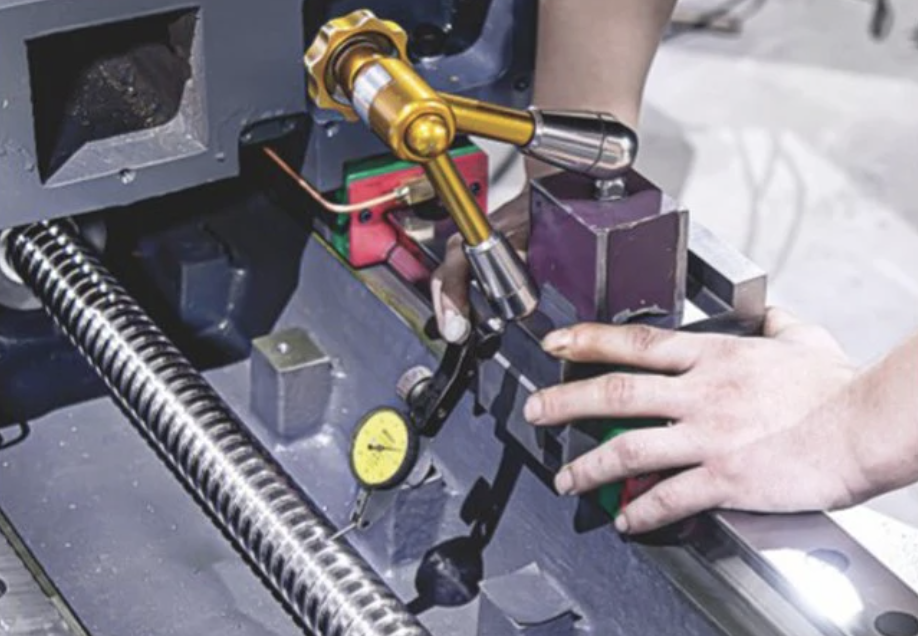
Poor surface finish, inconsistent dimensions, vibration, or an unexpected stop doesn’t always mean something is wrong with your CNC lathe. Worn tooling, poor workholding, and unsuitable cutting parameters can cause many of the same symptoms.
Common problems and solutions for CNC lathes
How to Choose a CNC Lathe for Shaft Machining: A Guide to Types, Models, Materials, and Machining Capacity