What Industries Use CNC Machines
author: Yannis
2025-02-18
What Industries Use CNC Machines
In the ever-evolving landscape of modern manufacturing, CNC (Computer Numerical Control) machines have become an indispensable part of various industries. These highly precise and efficient machines have the power to transform raw materials into complex and high-quality products. From the high-tech aerospace sector to the everyday consumer goods industry, the influence of CNC machines is far-reaching. In this blog post, we will explore the diverse industries that rely on CNC machines, and also take a closer look at how Dongguan Lizhun Machinery Co., Ltd, with its brand LiSN, caters to the needs of these industries.


1. The Aerospace Industry
1.1 Precision - Critical Components
The aerospace industry demands the highest level of precision and reliability in its components. CNC machines play a crucial role in manufacturing engine parts, such as turbine blades and compressor discs. These parts need to withstand extreme temperatures, high pressures, and rotational forces. CNC machines can produce these components with tight tolerances, often within a few micrometers. For example, the complex airfoil shapes of turbine blades are precisely machined using CNC milling machines, ensuring optimal aerodynamic performance and efficiency of the engines.
1.2 Lightweight and High-Strength Materials
Aerospace components are increasingly made from lightweight yet high-strength materials like titanium alloys and carbon fiber composites. CNC machines are well-equipped to handle these materials. LiSN CNC machines from Dongguan Lizhun Machinery Co., Ltd are designed with advanced spindle technology and high-torque motors, enabling them to cut through tough titanium alloys with ease.

2. The Automotive Industry
2.1 Mass Production of Engine and Transmission Parts
The automotive industry is one of the largest consumers of CNC machines. Engine blocks, cylinder heads, and transmission gears are mass-produced using CNC turning and milling machines. The high-speed and high-precision capabilities of CNC machines ensure consistent quality across thousands of parts. For instance, a CNC turning machine can rapidly turn the outer diameter of a crankshaft while maintaining the required surface finish and dimensional accuracy.
2.2 Customization and Prototyping
In addition to mass production, the automotive industry also benefits from the flexibility of CNC machines for customization and prototyping. Car manufacturers often use CNC machines to create unique parts for concept cars or limited-edition models.

3. The Medical Industry
3.1 Surgical Instruments and Implants
The medical industry places strict requirements on the precision and biocompatibility of its products. CNC machines are used to manufacture surgical instruments such as scalpels, forceps, and drills with extreme precision. Implants like hip replacements and dental implants also rely on CNC machining for their accurate shaping.

4. The Electronics Industry
4.1 Printed Circuit Boards (PCBs)
The electronics industry requires CNC machines for the production of PCBs. CNC milling machines are used to cr the intricate patterns on PCBs, including the tracks that connect different components. These machines can drill tiny holes for component mounting with high precision.
4.2 Precision Components
Small and complex components like connectors and heat sinks in electronic devices are also manufactured using CNC machines. These components need to be precisely machined to ensure proper fit and function.

5. The Jewelry Industry
5.1 Intricate Designs
The jewelry industry values precision and intricate designs. CNC machines allow jewelers to create highly detailed and complex jewelry pieces. CNC milling machines can carve out delicate patterns on precious metals, while CNC engraving machines can add fine-detailed engravings.
5.2 Replica and Custom Jewelry
For creating replicas of antique jewelry or custom-designed pieces, CNC machines provide the accuracy and consistency needed. By using 3D scanning technology in combination with CNC machining, jewelers can reproduce intricate designs faithfully. Dongguan Lizhun Machinery Co., Ltd's LiSN brand offers CNC machines that are easy to program for such custom-made jewelry production, opening up new possibilities for jewelry designers.

6. The Tool and Die - Making Industry
6.1 High - Precision Dies
The tool and die-making industry relies on CNC machines to produce high-precision dies for various manufacturing processes, such as stamping, forging, and injection molding. These dies need to be extremely accurate to ensure the quality of the products made from them.
6.2 Tool Manufacturing
CNC machines are also used to manufacture cutting tools, such as end mills and drills. These tools need to have sharp edges and precise dimensions. Dongguan Lizhun Machinery Co., Ltd's LiSN CNC machines can produce high-quality cutting tools with consistent performance, ensuring efficient machining operations in other industries.
In conclusion, CNC machines have become an essential part of numerous industries, each benefiting from their precision, efficiency, and versatility. Dongguan Lizhun Machinery Co., Ltd, through its LiSN brand, offers a wide range of CNC machines that are tailored to meet the specific needs of these industries. As technology continues to advance, we can expect CNC machines to play an even more significant role in driving innovation and growth across various sectors.

What Is CNC Industry
What Is CNC Manufacturing
Related Article
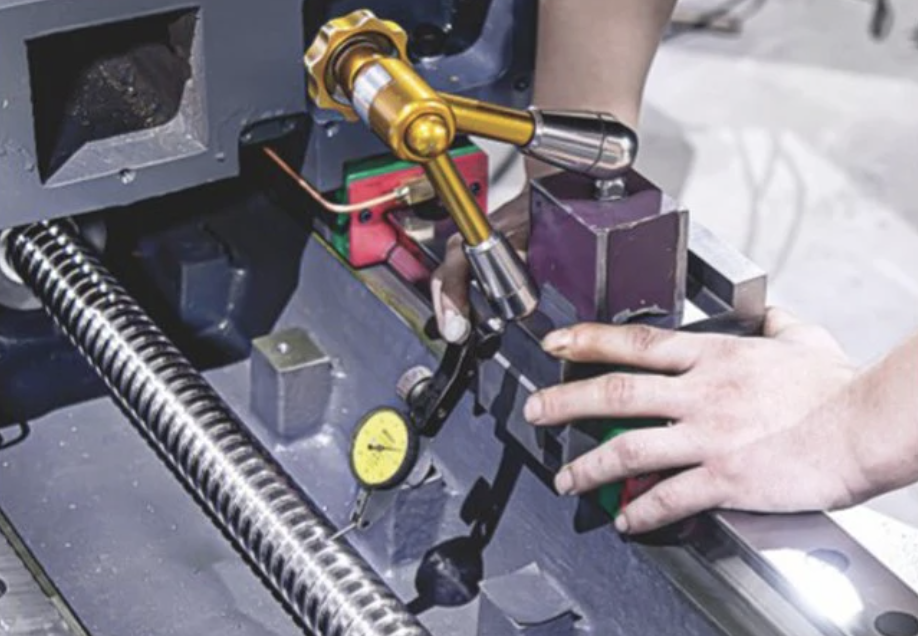
Poor surface finish, inconsistent dimensions, vibration, or an unexpected stop doesn’t always mean something is wrong with your CNC lathe. Worn tooling, poor workholding, and unsuitable cutting parameters can cause many of the same symptoms.
Common problems and solutions for CNC lathes
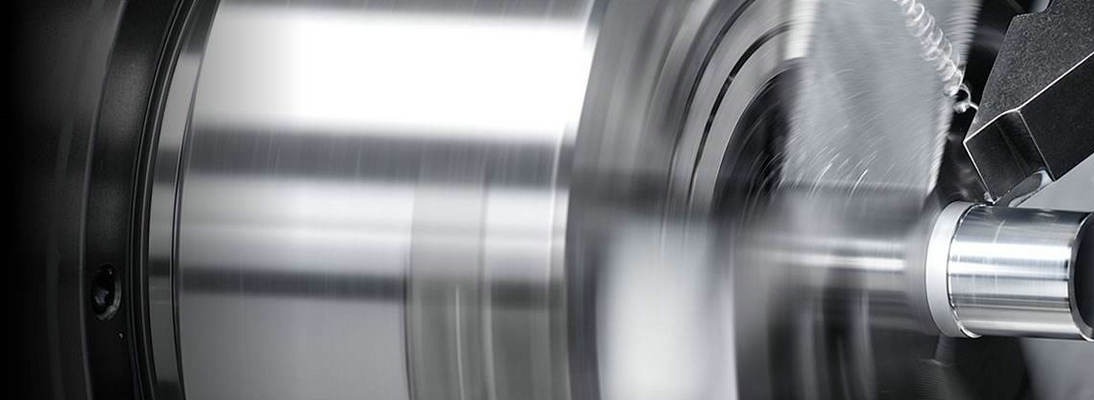
How to Choose a CNC Lathe for Shaft Machining: A Guide to Types, Models, Materials, and Machining Capacity