
What Is A CNC Router
author: Yannis
2025-02-27
What Is A CNC Router
In the dynamic landscape of modern manufacturing, CNC (Computer Numerical Control) technology has become the backbone of precision engineering. Among its many innovations, CNC routers have emerged as indispensable tools for industries ranging from woodworking to aerospace. This blog explores the core concepts of CNC routers, their operational mechanisms, diverse applications, and the role of industry leaders like Dongguan Lizhun Machinery Co., LTD and the LiSN concept in advancing this technology.
1. The Fundamentals of CNC Routers
1.1 Defining CNC Routers
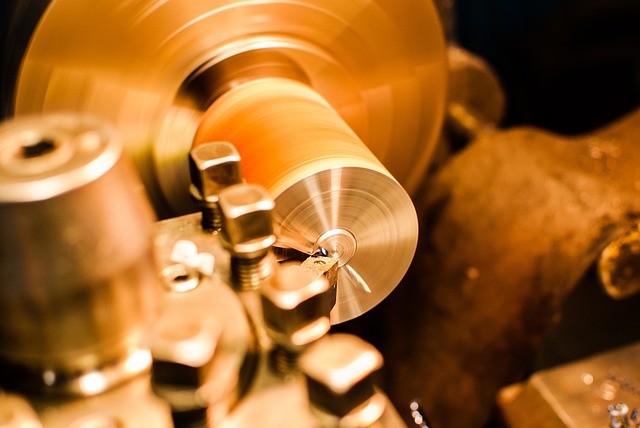
A CNC router is a specialized CNC machine designed to cut, carve, and shape materials using rotary cutting tools. Unlike manual routers, these automated systems follow pre-programmed instructions to execute complex designs with micron-level precision. This makes them ideal for applications requiring intricate detailing, such as furniture manufacturing, signage production, and mold making.
1.2 Key Components of a CNC Router
- Spindle: Houses the cutting tool and controls rotational speed.
- Gantry System: Supports the spindle and enables movement along X, Y, and Z axes.
- Control Panel: Manages machine operations and interfaces with CAD/CAM software.
- Worktable: Secures the workpiece during machining.
2. How CNC Routers Operate
2.1 The Design-to-Production Pipeline
- CAD Modeling: Designers create 2D or 3D models using software like AutoCAD or SolidWorks.
- CAM Programming: CAM software converts CAD files into G-code instructions for toolpath generation.
- Machine Setup: The workpiece is clamped, and tools are calibrated.
- Automated Machining: The CNC router executes the program, cutting materials according to specifications.
2.2 Precision Engineering in Action
CNC routers achieve unparalleled accuracy through:
- Stepper Motors: Provide precise incremental movement.
- Ball Screws: Minimize backlash for smooth motion control.
- Laser Alignment Systems: Ensure workpiece positioning accuracy.
3. Types of CNC Routers
3.1 Desktop CNC Routers
- Compact Design: Ideal for hobbyists and small workshops.
- Applications: PCB etching, jewelry making, and model building.
- Example: Dongguan Lizhun’s LZ - 2418 offers a 24" x 18" working area with 0.01mm precision.
3.2 Industrial - Grade Routers
- Large Format: Capable of handling 10' x 5' workpieces.
- Heavy - Duty Materials: Cut metals, composites, and stone.
- LiSN Integration: Dongguan Lizhun’s LZ-1000 series uses LiSN for real-time production monitoring.
3.3 3D CNC Routers
- 3D Carving: Create intricate 浮雕 and sculptures.
- Multi-Axis Control: Typically 4 - 5 axis systems for complex geometries.
3.4 Waterjet-Assisted Routers
- Coolant Technology: Combines routing with waterjet for heat-sensitive materials.
- Edge Quality: Produces burr-free cuts in aluminum and fiberglass.
4. Advantages of CNC Routers
4.1 Unmatched Precision
CNC routers maintain ±0.05mm tolerances, critical for industries like medical device manufacturing where consistency is paramount.
4.2 Enhanced Productivity
Automated tool changes and 24/7 operation reduce production time by up to 70% compared to manual methods.
4.3 Design Flexibility
From simple engravings to 3D architectural models, CNC routers bring digital designs to life with unlimited creativity.
4.4 Cost Efficiency
While initial investment is higher, long-term savings come from reduced material waste and labor costs.
Conclusion
CNC routers represent the intersection of automation and artistry, delivering precision and efficiency across industries. Companies like Dongguan Lizhun Machinery Co., LTD are driving innovation through advanced technologies like LiSN, ensuring CNC routers remain at the forefront of manufacturing evolution. As connectivity and AI continue to advance, the future of CNC routing promises even greater levels of integration and productivity.
What Is CNC Lathe
What Can I Do With A CNC Machine
Related Article

Poor surface finish, inconsistent dimensions, vibration, or an unexpected stop doesn’t always mean something is wrong with your CNC lathe. Worn tooling, poor workholding, and unsuitable cutting parameters can cause many of the same symptoms.
Common problems and solutions for CNC lathes

How to Choose a CNC Lathe for Shaft Machining: A Guide to Types, Models, Materials, and Machining Capacity

