
What Is A Gantry Machine
author: Yannis
2025-04-17


Cultivated in CNC Machine Industry for 20+ years.
Specializing in CNC Milling, Drilling, Turning, Tapping, and so on...
Self-created Brand LiSN for 10+ Years



What Is A Gantry Machine
In the dynamic realm of modern manufacturing, CNC (Computer Numerical Control) technology has given rise to various advanced machining tools. Among them, the gantry machine stands out for its unique design and capabilities. This blog aims to explain what a gantry machine is, how it operates, and its significance in the context of CNC machines.

Defining the Gantry Machine
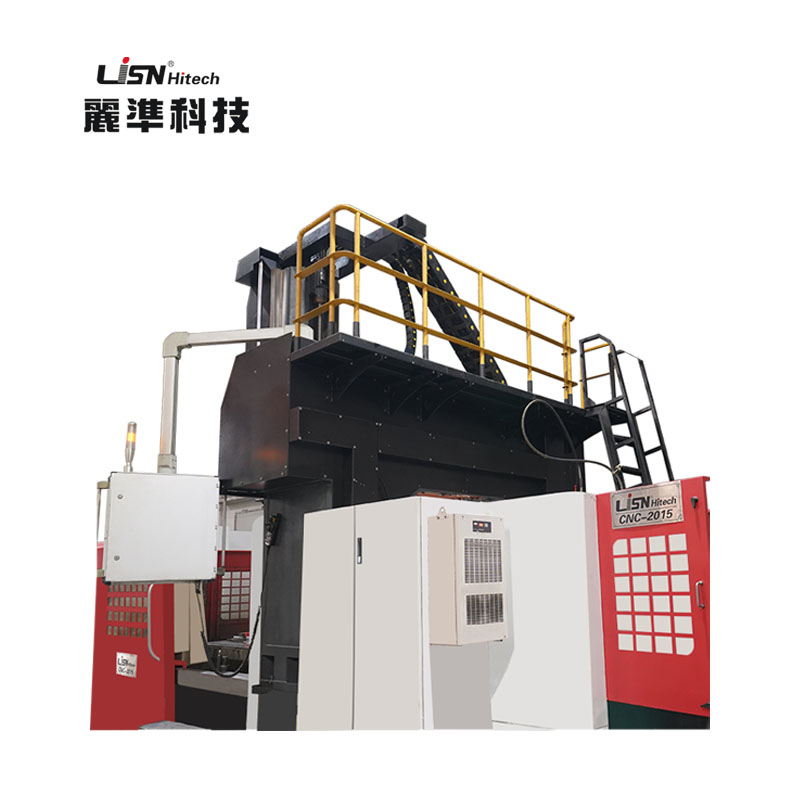
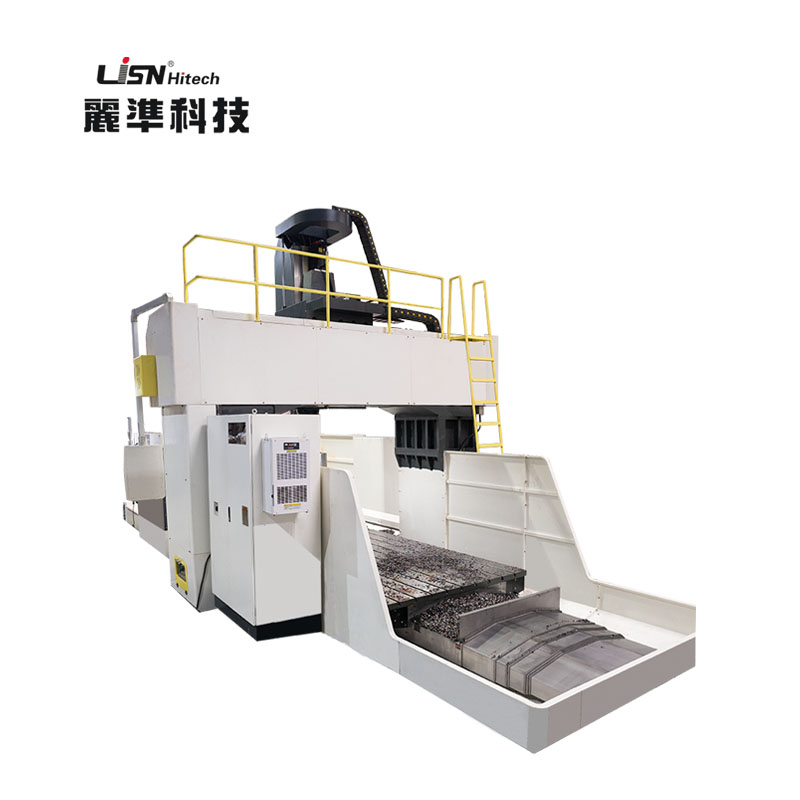
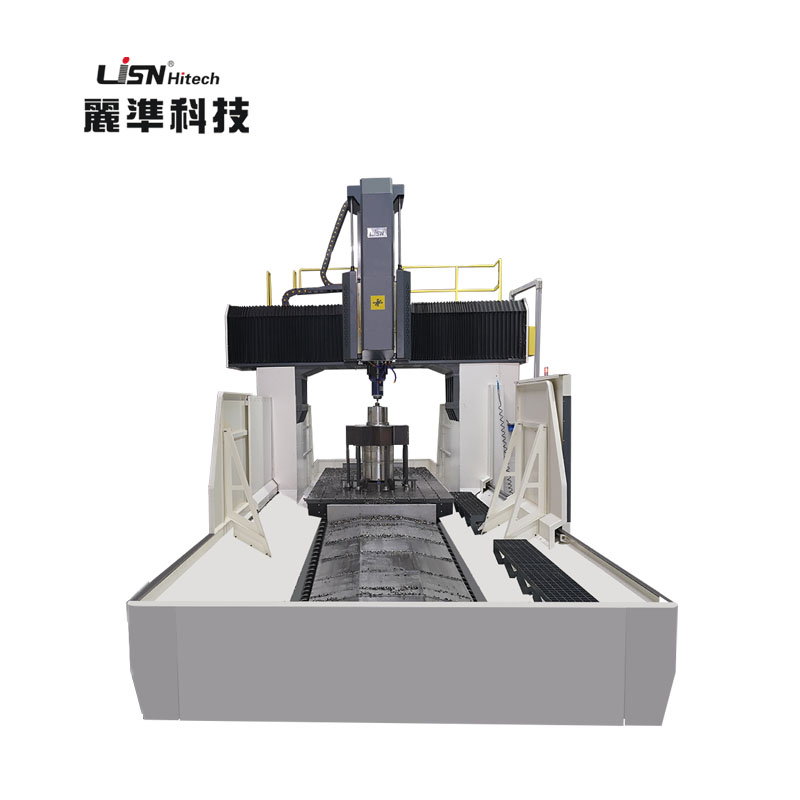
A gantry machine is a type of industrial machining equipment characterized by its distinctive gantry-style structure. Resembling a bridge, the gantry consists of two vertical supports (legs) connected by a horizontal beam. The cutting tool or worktable is mounted on this beam or beneath it, depending on the machine's configuration. This design provides exceptional stability and rigidity, enabling the machine to handle large and heavy workpieces with ease.

Structure and Components
The Gantry Frame
The core of the gantry machine is its frame. Constructed from robust materials such as cast iron or steel, the frame ensures minimal vibration during operation. The two vertical legs are firmly anchored to the ground, providing a solid foundation, while the horizontal beam spans across them, supporting the movement of the cutting tool or worktable.
Cutting Tool Assembly
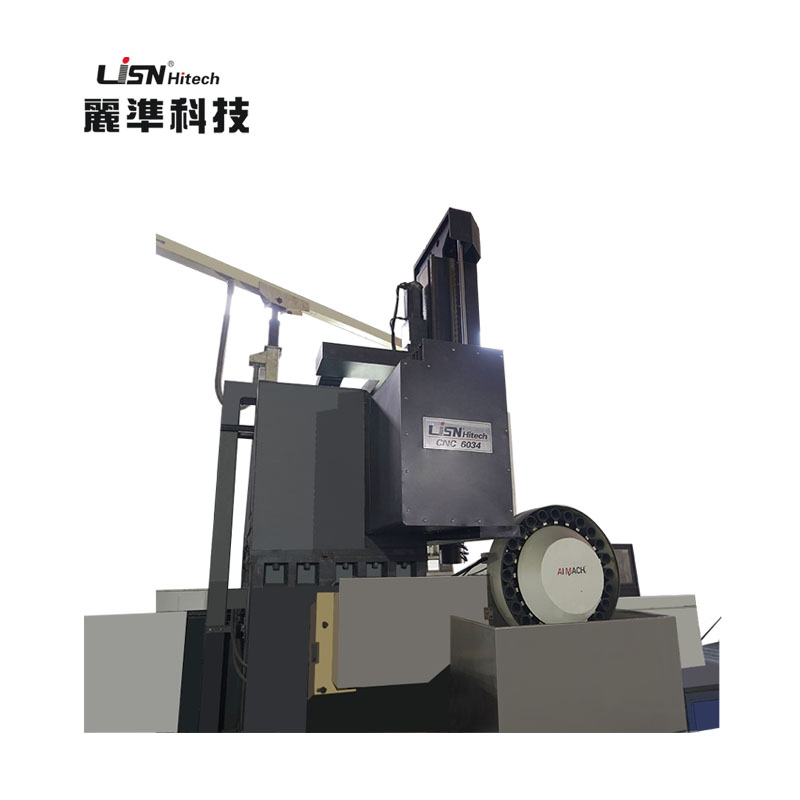
Similar to other CNC machines, a gantry machine is equipped with a cutting tool assembly. This can include various types of tools like milling cutters, drills, or routers, depending on the machining requirements. The tool is mounted on a spindle that is driven by a powerful motor, allowing for high-speed rotation and precise cutting.
Worktable or Gantry Movement
In some gantry machines, the worktable is fixed, and the gantry itself moves along the length of the workpiece. In others, the gantry remains stationary, and the worktable moves in multiple axes (such as X, Y, and Z) to position the workpiece relative to the cutting tool. The movement is typically controlled by servo motors, which are integral components in CNC gantry machines.
How Gantry Machines Operate
When integrated with CNC technology, gantry machines become highly automated and precise. Operators use CAD/CAM (Computer-Aided Design/Computer-Aided Manufacturing) software to create a digital model of the part to be manufactured. The CAM software then generates G-code instructions, which are fed into the CNC controller of the gantry machine.
The CNC controller interprets these instructions and sends signals to the servo motors. These motors, in turn, drive the movement of the gantry or worktable, ensuring that the cutting tool follows the programmed path accurately. For example, in a CNC gantry milling machine, the tool can move along complex trajectories to carve out intricate shapes on large metal or composite workpieces.
Advantages of Gantry Machines
Handling Large Workpieces
One of the primary advantages of gantry machines is their ability to accommodate large and bulky workpieces. The open design of the gantry allows for easy loading and unloading of oversized materials, making them ideal for industries such as shipbuilding, aerospace, and large-scale metal fabrication.
High Precision and Rigidity
The robust gantry structure provides excellent rigidity, reducing the risk of vibrations during machining. This rigidity, combined with the precision of CNC control, enables gantry machines to achieve tight tolerances, even when working on large parts. Whether it's machining a massive aircraft wing component or a large-scale industrial mold, gantry machines can deliver consistent and accurate results.
Versatility
Gantry machines can be configured for various machining operations, including milling, drilling, cutting, and routing. With the ability to change cutting tools automatically, they can perform multiple tasks on a single workpiece, enhancing productivity and efficiency.
Applications in Different Industries
Aerospace Industry
In aerospace manufacturing, gantry machines are used to produce large structural components like wing spars, fuselage sections, and engine mounts. The precision and capacity to handle large composite materials are crucial for meeting the stringent requirements of the aerospace sector.
Shipbuilding
Shipyards rely on gantry machines to cut and shape large steel plates used in ship construction. The ability to work with heavy materials and achieve precise cuts ensures the structural integrity of ships.
Construction and Architecture
For manufacturing large-scale architectural elements, such as custom facade panels or structural steel components for buildings, gantry machines offer the necessary size capacity and precision.
Gantry Machines vs. Other CNC Machines
Compared to smaller CNC machines, gantry machines are optimized for large-scale production. While vertical machining centers or lathes are better suited for smaller parts, gantry machines fill the gap for projects that require handling of oversized workpieces. Their unique design and strength make them irreplaceable in industries where scale matters.
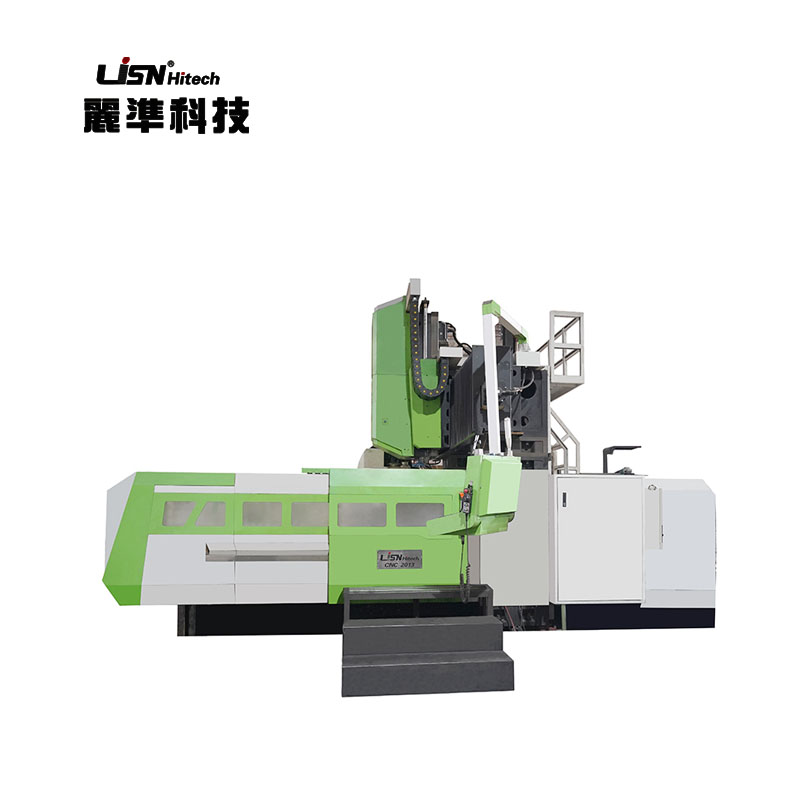
A gantry machine is a powerful and versatile piece of equipment within the realm of CNC machines. Its distinctive gantry structure, combined with CNC technology, enables it to handle large workpieces with high precision and efficiency. As manufacturing demands continue to grow, especially in industries dealing with oversized components, gantry machines will likely play an even more significant role in shaping the future of modern manufacturing.
What Does A Machine Center Do
How Do You Explain What CNC Is
Related Article

Poor surface finish, inconsistent dimensions, vibration, or an unexpected stop doesn’t always mean something is wrong with your CNC lathe. Worn tooling, poor workholding, and unsuitable cutting parameters can cause many of the same symptoms.
Common problems and solutions for CNC lathes

How to Choose a CNC Lathe for Shaft Machining: A Guide to Types, Models, Materials, and Machining Capacity

