What Is A Manual Lathe
author: Yannis
2025-04-03

Cultivated in CNC Machine Industry for 20+ years.
Specializing in CNC Milling, Drilling, Turning, Tapping, and so on...
Self-created Brand LiSN for 10+ Years



What Is A Manual Lathe
In the manufacturing world, two significant types of machines stand out: CNC (Computer Numerical Control) machines and manual lathes. While CNC machines have transformed the industry with their automation and precision, manual lathes hold a special place, rooted in centuries-old craftsmanship. This blog aims to explore what a manual lathe is, how it operates, and how it compares to its CNC counterparts.

Understanding the Basics of Lathes
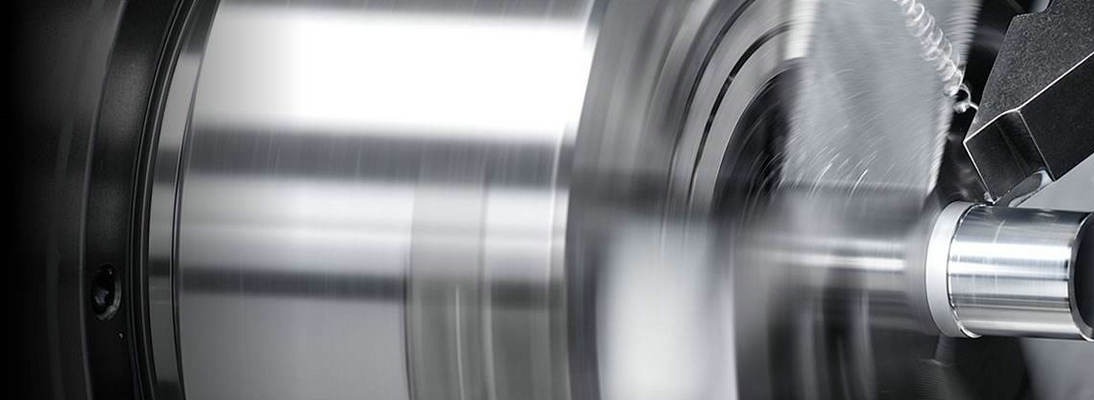
Lathes are machine tools used primarily for shaping cylindrical workpieces. They hold the workpiece in place and rotate it at high speeds while a cutting tool, positioned on a movable carriage, removes material to create the desired shape. This basic principle applies to both manual lathes and their more advanced CNC counterparts.

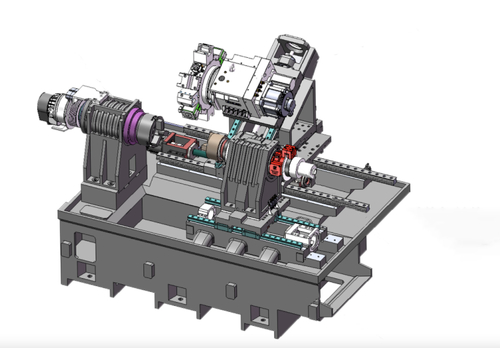
Anatomy of a Manual Lathe
Headstock
The headstock is located at one end of the lathe bed. It houses the spindle, which holds the workpiece and rotates it. The headstock also contains a set of gears that allow the operator to adjust the spindle speed according to the material being machined and the type of operation. For instance, when turning soft materials like aluminum, a higher spindle speed can be used, while for harder materials like steel, a lower speed is more appropriate.
Bed
The bed is the long, sturdy base of the lathe. It provides support for all the other components and ensures stability during machining. The bed has precision-machined ways, along which the carriage and other components move.
Carriage
The carriage is a crucial part of the manual lathe. It holds the cutting tool and moves along the bed. The carriage can be moved longitudinally (parallel to the spindle axis) and transversely (perpendicular to the spindle axis). There are also handwheels attached to the carriage, allowing the operator to precisely control its movement.
Tailstock
The tailstock is located at the opposite end of the headstock. It can hold a center to support the other end of the workpiece, especially when machining long, slender parts. The tailstock can also be used to hold other tools, such as drills, for operations like drilling holes in the workpiece.

How a Manual Lathe Operates
Operating a manual lathe requires a high level of skill and dexterity. The operator starts by mounting the workpiece onto the spindle. Then, they select the appropriate cutting tool and mount it on the carriage. Next, the operator adjusts the spindle speed using the gears in the headstock. During the machining process, the operator uses the handwheels to move the carriage, controlling the depth and direction of the cut. This hands-on approach allows the operator to make real-time adjustments based on the feel and sound of the machining operation.

Manual Lathes vs. CNC Machines
Precision
CNC machines are known for their high precision. They can repeat the same operation with micron-level accuracy, thanks to their computer-controlled systems. In contrast, the precision of a manual lathe depends on the skill and experience of the operator. However, a skilled lathe operator can achieve remarkable precision, especially for small-batch production or custom work.
Productivity
CNC machines are much more productive for large-scale production. They can operate continuously without human intervention, following pre-programmed instructions. Manual lathes, on the other hand, require constant operator attention. Each operation must be carefully controlled by hand, which can slow down the production process. But for small-scale or one-off jobs, the flexibility of a manual lathe can make it a more efficient choice.
Cost
Manual lathes are generally more cost-effective upfront. They require less complex technology and are easier to maintain. CNC machines, while offering higher productivity and precision, come with a higher price tag. They also require specialized programming and maintenance skills.

Applications of Manual Lathes
Manual lathes are still widely used in various industries. In the jewelry industry, they are used to create intricate designs on precious metals. In the automotive repair industry, manual lathes can be used to machine custom parts or repair worn-out components. They are also popular in educational institutions, where students learn the fundamentals of machining and develop their skills.
Conclusion
Manual lathes are an integral part of the manufacturing heritage. While CNC machines have changed the face of the industry, manual lathes continue to be relevant, especially for small-scale production, custom work, and educational purposes. Understanding the operation and capabilities of manual lathes provides valuable insights into the broader field of machining, complementing the knowledge of advanced CNC technology.


What Can Be Turned On A Lathe
What Is The Advantage of HMC
Related Article
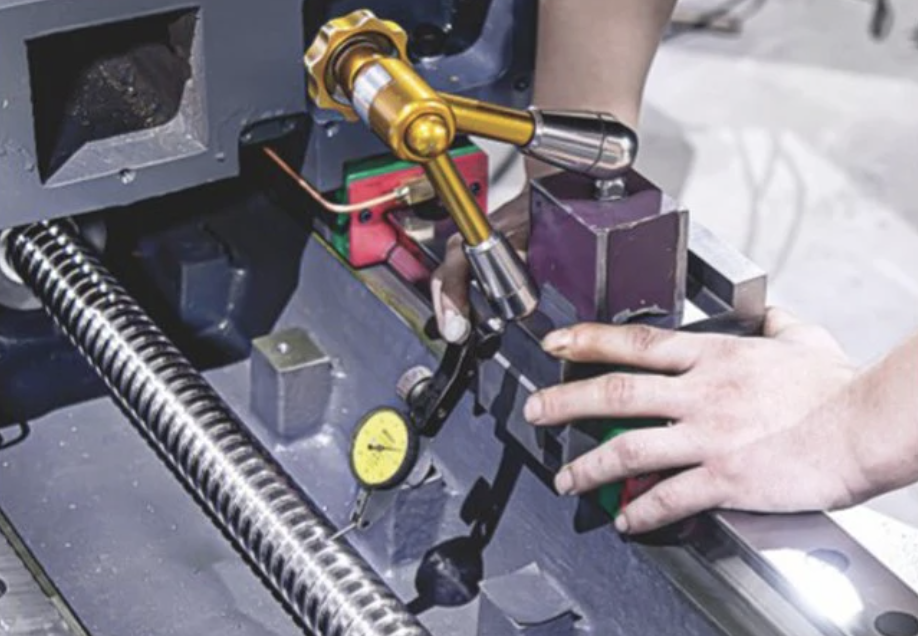
Poor surface finish, inconsistent dimensions, vibration, or an unexpected stop doesn’t always mean something is wrong with your CNC lathe. Worn tooling, poor workholding, and unsuitable cutting parameters can cause many of the same symptoms.
Common problems and solutions for CNC lathes
How to Choose a CNC Lathe for Shaft Machining: A Guide to Types, Models, Materials, and Machining Capacity