What Is A Vertical Machine Center
author: Yannis
2025-03-26
What Is A Vertical Machine Center
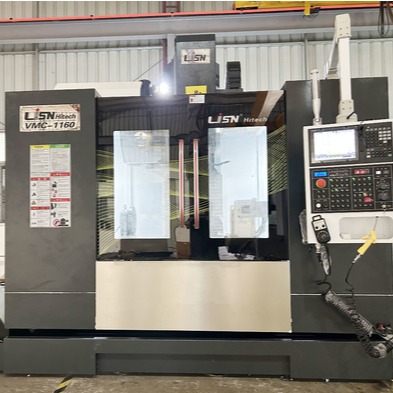
In the high-tech world of modern manufacturing, Vertical Machine Centers (VMCs) stand as technological powerhouses. As a crucial subset of CNC machines, VMCs have revolutionized the manufacturing process, offering enhanced precision, increased productivity, and a high degree of flexibility. In this blog, we'll explore every aspect of VMCs—from their fundamental design to their applications in various industries.

Unpacking the Basics of VMCs
Definition and Core Design
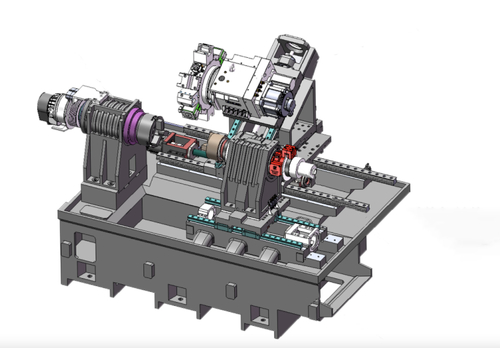
A VMC is a type of CNC machine with a vertically-oriented spindle. This vertical setup differentiates it from other machining centers. The spindle, where the cutting tool is mounted, moves along the Z-axis, perpendicular to the workpiece table. This design enables operators to access the workpiece from multiple angles, making it ideal for machining complex parts with multiple features.
Key Components
- Spindle Assembly: The spindle in a VMC is a high-speed rotating component. Modern VMCs can achieve spindle speeds ranging from 6,000 to 24,000 RPM. The spindle's power and speed determine the types of materials it can effectively machine, from soft plastics to hardened metals.
- Worktable: The worktable, which moves along the X and Y axes, provides a stable platform for the workpiece. Many VMCs are equipped with precision ball - screw drives to ensure smooth and accurate movement. Some advanced models even feature a fourth axis (A - axis), allowing for rotational machining.
- Tool Changer: An automatic tool changer (ATC) is a standard feature in most VMCs. It can hold anywhere from 16 to 60 tools, enabling quick and seamless tool changes during the machining process. This reduces downtime and enhances overall productivity.

How VMCs Operate: The Mechanics of Precision
Programming VMCs
VMCs, like all CNC machines, are controlled by pre-written programs. The most common programming language used is G-code. Skilled programmers use computer-aided design (CAD) software to create a 3D model of the part. This model is then imported into computer-aided manufacturing (CAM) software, which generates the G-code instructions. These instructions precisely define the movement of the spindle, worktable, and tool changer.
Execution of Machining Operations
Once the program is loaded into the VMC's control system, the machine starts its operation. The control system sends electrical signals to the servo-motors, which drive the axes of the machine. As the spindle rotates the cutting tool at high speeds, the worktable moves the workpiece into the path of the tool. This coordinated movement removes material from the workpiece, gradually shaping it into the desired form.

The Many Advantages of VMCs
Precision Engineering
VMCs are renowned for their high precision. The computer-controlled movement of the axes ensures that the cutting tool follows the programmed path with micron-level accuracy. In industries such as aerospace, where components must meet tight tolerances, VMCs are indispensable. For example, a study by a leading aerospace manufacturer found that VMCs reduced part rejection rates by 40% compared to traditional machining methods.
Unmatched Versatility
VMCs can perform a wide range of machining operations, including milling, drilling, tapping, and boring. The automatic tool changer further enhances this versatility, allowing for multiple operations to be completed in a single setup. This eliminates the need for multiple machines and reduces production time.
Enhanced Efficiency
With high - speed spindles, rapid axis movements, and automated tool changing, VMCs significantly improve production efficiency. In the automotive industry, VMCs are used to mass-produce engine blocks and cylinder heads. A major automotive company reported a 30% increase in production output after switching to VMCs.

Maintenance and Care for Optimal Performance
Regular Inspections
Regular inspections are essential to ensure the optimal performance of VMCs. This includes checking the spindle bearings, axes guides, and tool changer for signs of wear. A monthly inspection can help identify potential issues before they become major problems.
Lubrication and Cooling
Proper lubrication of the moving parts is crucial for reducing friction and preventing premature wear. VMCs also require an effective cooling system to prevent overheating during machining operations.
Software Updates
Keeping the CNC control system software up-to-date is important. Software updates often include bug fixes, performance improvements, and new features that can enhance the functionality of the VMC.

The Future of VMCs
Integration of Industry 4.0 Technologies
The future of VMCs lies in the integration of Industry 4.0 technologies such as the Internet of Things (IoT), artificial intelligence (AI), and machine learning (ML). These technologies will enable real-time monitoring, predictive maintenance, and self-optimizing machining processes.
Advanced Automation
Advanced automation features, such as robotic loading and unloading systems, will become more common in VMCs. This will further increase productivity and reduce labor costs.

Conclusion
VMCs are at the forefront of modern manufacturing technology. Their precision, versatility, and efficiency make them essential tools for a wide range of industries. As technology continues to evolve, VMCs will undoubtedly play an even more significant role in the manufacturing landscape, driving innovation and productivity to new heights.


What Is A VMC Machine Used For
What Is CNC And HMC
Related Article
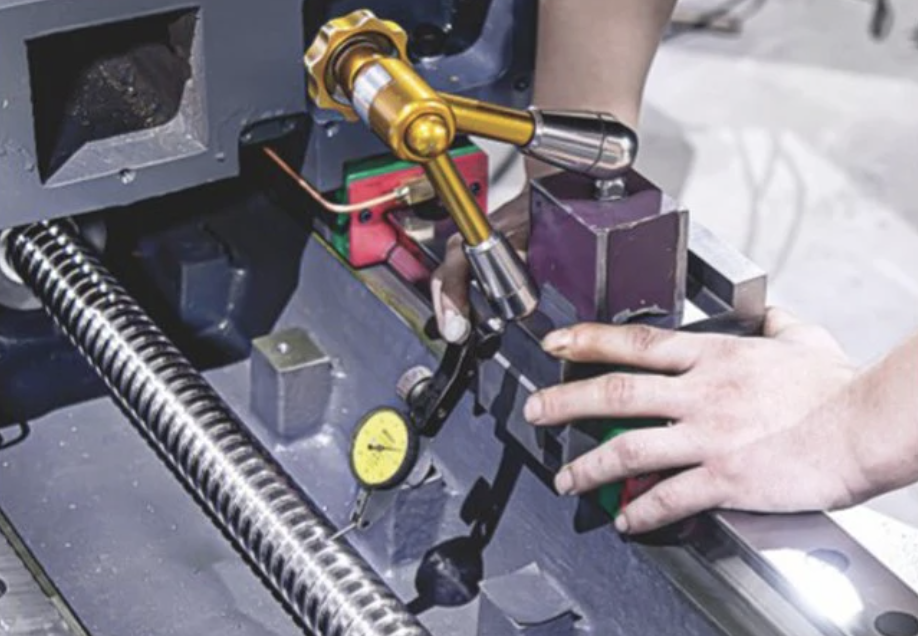
Poor surface finish, inconsistent dimensions, vibration, or an unexpected stop doesn’t always mean something is wrong with your CNC lathe. Worn tooling, poor workholding, and unsuitable cutting parameters can cause many of the same symptoms.
Common problems and solutions for CNC lathes
How to Choose a CNC Lathe for Shaft Machining: A Guide to Types, Models, Materials, and Machining Capacity