What Is A VMC Machine Used For
author: Yannis
2025-03-26
What Is A VMC Machine Used For
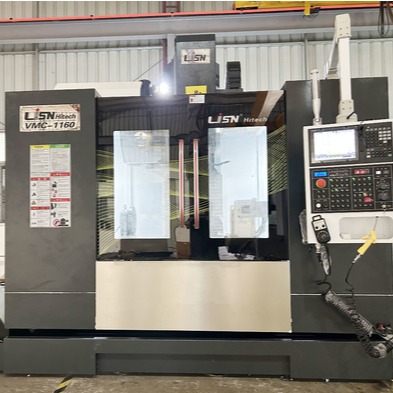
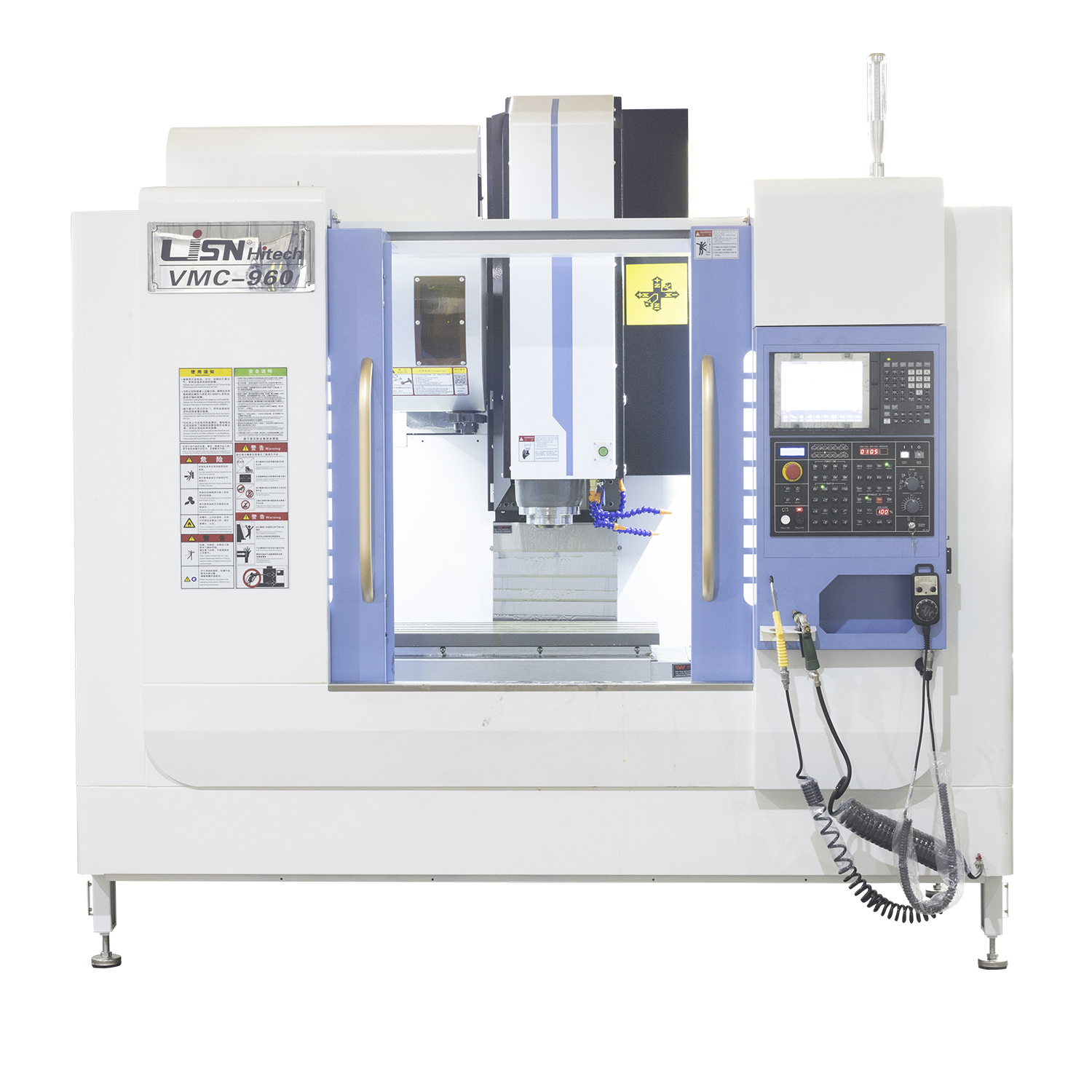
In the intricate world of manufacturing, Vertical Machining Centers (VMCs), a type of CNC machine, have emerged as a cornerstone technology. Their adaptability and precision make them invaluable across a wide range of industries. In this blog, we'll explore the diverse applications of VMCs and understand why they're so crucial in modern manufacturing.

VMCs in the Aerospace Industry
Aircraft Component Manufacturing
The aerospace industry demands components with extreme precision and reliability. VMCs play a pivotal role in manufacturing crucial aircraft parts. For instance, wing spars, which are essential structural elements of an aircraft wing, require complex machining. VMCs can precisely mill and drill the spars, ensuring they meet the strictest of tolerances. Turbine blades, another critical component, are also machined using VMCs. These blades must withstand high temperatures and rotational forces. The high-speed spindles and multi-axis capabilities of VMCs enable the creation of the intricate shapes necessary for optimal blade performance.
Engine Part Production
Aircraft engines are engineering marvels, and VMCs contribute significantly to their production. Components like engine casings, which house the engine's internal parts, are machined using VMCs. The ability of VMCs to perform multiple operations in a single setup reduces production time and ensures consistent quality. This is crucial as engine parts must meet the highest standards of quality and performance to ensure the safety of air travel.

VMCs in the Automotive Sector
Engine Block and Cylinder Head Machining
In the automotive industry, VMCs are extensively used for machining engine blocks and cylinder heads. Engine blocks are the foundation of an engine, and their precise machining is vital for proper engine function. VMCs can accurately mill the cylinder bores, drill holes for coolant passages, and create the necessary surfaces for mounting other engine components. Cylinder heads, which control the flow of air and fuel into the engine, also require intricate machining. VMCs can produce the complex shapes and ports needed for optimal combustion, improving engine efficiency and performance.
Transmission Component Fabrication
Transmission components, such as gears and shafts, are also manufactured using VMCs. Gears require precise teeth cutting, and VMCs equipped with the right tools can achieve the necessary precision. Shafts, on the other hand, need to be machined to exact dimensions to ensure smooth operation. The versatility of VMCs allows for the production of a wide range of transmission components, contributing to the overall performance and reliability of automotive transmissions.

VMCs in the Electronics Industry
PCB Enclosure Manufacturing
In the electronics industry, VMCs are used to create enclosures for printed circuit boards (PCBs). These enclosures need to be precisely machined to fit the PCBs and protect them from external elements. VMCs can mill and drill the enclosures to the required specifications, ensuring a perfect fit. The ability to create small and intricate features makes VMCs ideal for this application, as modern electronics require compact and well - designed enclosures.
Precision Component Machining
VMCs are also used to machine precision components for electronic devices. For example, components for smartphones, such as camera housings and connectors, are machined using VMCs. The high precision and repeatability of VMCs ensure that these components meet the strict quality standards of the electronics industry, contributing to the performance and reliability of electronic devices.

VMCs in the Medical Device Field
Surgical Instrument Production
The medical device industry relies on VMCs for the production of surgical instruments. These instruments need to be highly precise and durable. VMCs can machine the intricate shapes and surfaces required for surgical instruments, such as scalpels, forceps, and drills. The ability to work with a variety of materials, including biocompatible metals, makes VMCs suitable for this application.
Implant Manufacturing
Implants, such as hip and knee replacements, are also manufactured using VMCs. These implants must be precisely machined to fit the patient's anatomy and function properly. VMCs can create the complex geometries required for implants, ensuring a high level of accuracy and quality. The use of VMCs in implant manufacturing helps improve the lives of patients by providing them with reliable and effective medical devices.

VMCs in Tool and Die Making
Mold Creation
Tool and die making is another area where VMCs are extensively used. VMCs are used to create molds for various manufacturing processes, such as plastic injection molding, die-casting, and forging. Molds require precise machining to ensure the production of high-quality parts. VMCs can mill the cavities, cores, and other features of the molds with great accuracy, reducing the need for manual finishing and improving production efficiency.
Die Fabrication
Dies, which are used in stamping and forming operations, are also fabricated using VMCs. The ability of VMCs to machine hard materials, such as tool steels, makes them suitable for die fabrication. By using VMCs, tool and die makers can produce dies that are more precise and durable, leading to better-quality stamped and formed parts.

Conclusion
As we've seen, VMCs are incredibly versatile CNC machines with a wide range of applications across multiple industries. Their precision, efficiency, and flexibility make them essential for modern manufacturing. Whether it's producing aircraft components, automotive parts, or medical devices, VMCs continue to drive innovation and improve the quality of products. As technology advances, we can expect VMCs to play an even more significant role in the manufacturing landscape.


What Is The Advantage of VMC
What Is A Vertical Machine Center
Related Article
Poor surface finish, inconsistent dimensions, vibration, or an unexpected stop doesn’t always mean something is wrong with your CNC lathe. Worn tooling, poor workholding, and unsuitable cutting parameters can cause many of the same symptoms.
Common problems and solutions for CNC lathes
How to Choose a CNC Lathe for Shaft Machining: A Guide to Types, Models, Materials, and Machining Capacity