What Is An HMC Machine
author: Yannis
2025-04-01
What Is An HMC Machine
In the vast realm of modern manufacturing, CNC (Computer Numerical Control) technology has become the cornerstone of precision production. Among the various CNC machines, Horizontal Machining Centers (HMCs) hold a unique and significant position. This blog will explore in detail what an HMC machine is, how it functions, its key features, applications, and advantages.

Decoding CNC Technology
Before delving into HMCs, it’s essential to understand the underlying CNC technology. CNC machines are automated tools that operate based on pre-programmed computer instructions. Instead of relying on manual operation to control the movement of cutting tools, a CNC system precisely guides the machine’s axes. This technology has revolutionized manufacturing by enhancing precision, repeatability, and productivity. The CNC control unit reads the coded instructions, typically in G-code format, and translates them into specific movements for the machine’s motors.
Unveiling HMCs
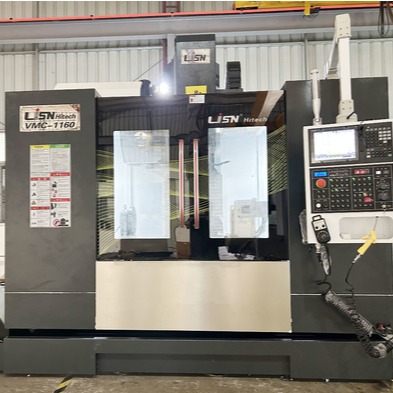
Horizontal Machining Centers (HMCs) are a specialized type of CNC machine. As the name suggests, the spindle axis of an HMC runs horizontally. This orientation sets HMCs apart from their vertical counterparts and offers several distinct advantages.
Anatomy of an HMC
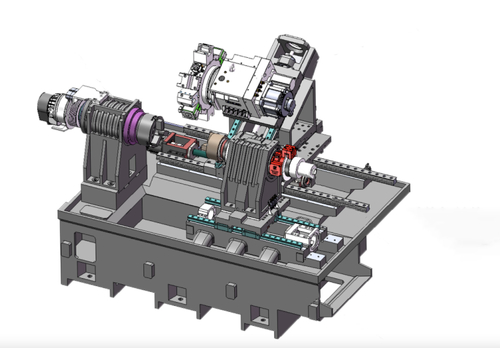
- Spindle Assembly: The spindle is the heart of an HMC. It holds and rotates the cutting tool at high speeds, enabling material removal. High-performance HMCs often feature high-speed spindles, which can reach rotational speeds of up to 20,000 RPM or more. This allows for efficient machining of various materials, from soft metals to hardened alloys.
- Worktable: HMCs usually come with multi-axis worktables. The most common configuration includes three linear axes (X, Y, and Z), which control the movement of the worktable in different directions. Additionally, many HMCs are equipped with one or two rotational axes (A and B). These rotational axes enable the machining of complex, multi-sided parts without the need to re-fixture the workpiece.
- Tool Changer: An automatic tool changer is a standard feature in HMCs. This component allows for quick and seamless tool changes during the machining process. Some HMCs can change tools in a matter of seconds, significantly reducing downtime and increasing overall productivity.
Applications of HMCs
Aerospace Industry
The aerospace sector demands the highest level of precision and quality. HMCs are extensively used to machine critical components such as turbine blades, engine casings, and aircraft structural parts. Their multi-axis capabilities enable the creation of complex geometries with tight tolerances, meeting the industry's strict requirements.
Automotive Manufacturing
In the automotive industry, HMCs play a crucial role in the production of engine blocks, cylinder heads, and transmission components. The ability to perform multiple operations in a single setup reduces production time and costs. For example, an HMC can drill, mill, and bore holes in an engine block without the need to transfer the workpiece to different machines.
Die and Mold Making
Die and mold making requires the creation of intricate shapes and cavities. HMCs are well-suited for this task due to their high precision and multi-axis capabilities. They can produce molds for various industries, including plastics, electronics, and consumer goods.

Advantages of HMCs
Enhanced Chip Evacuation
The horizontal orientation of the spindle in an HMC allows for better chip evacuation. Gravity helps chips to fall away from the cutting area, preventing chip re-cutting. This not only improves the surface finish of the machined part but also extends the life of the cutting tool.
Higher Productivity
HMCs are designed for high-volume production. With their automatic tool changers and multi-axis capabilities, they can perform multiple operations on a single workpiece in a continuous and efficient manner. This reduces the overall production time and increases the output of the manufacturing process.
Precision Machining
Thanks to their advanced CNC control multi-axis capabilities, they can perform multiple operations on a single workpiece continuously and efficiently. This reduces the overall production time and increases the manufacturing process's output . HMCs are an essential part of the modern manufacturing landscape. Built on the foundation of CNC technology, HMCs offer unique features and capabilities that make them suitable for a wide range of applications. Whether it’s aerospace, automotive, or die and mold making, HMCs continue to drive innovation and efficiency in the manufacturing industry.
Conclusion
Horizontal Machining Centers (HMCs) are an essential part of the modern manufacturing landscape. Built on the foundation of CNC technology, HMCs offer unique features and capabilities that make them suitable for a wide range of applications. Whether it’s aerospace, automotive, or die and mold making, HMCs continue to drive innovation and efficiency in the manufacturing industry.


What Is An HMC Machine Used For
What Is CNC And HMC
Related Article
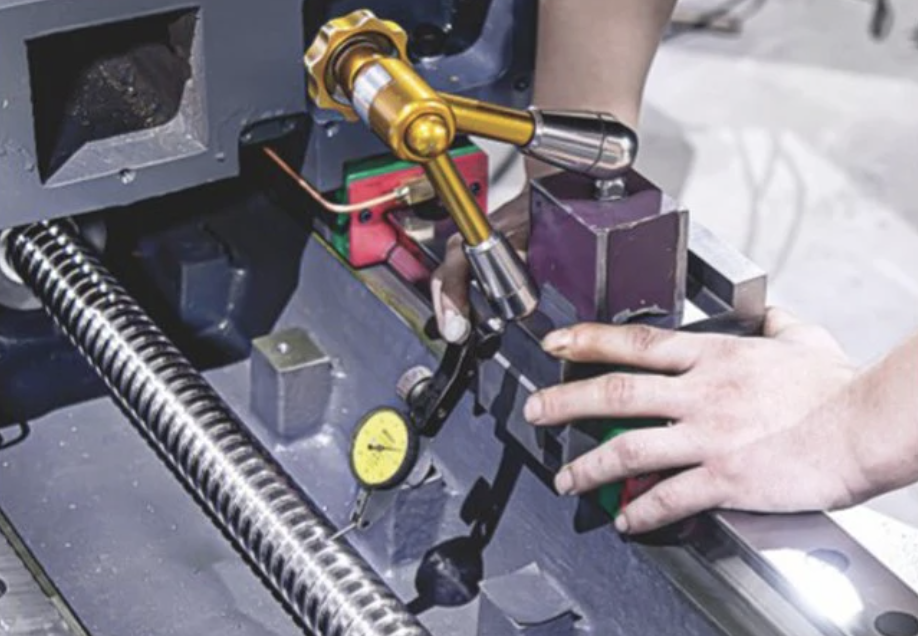
Poor surface finish, inconsistent dimensions, vibration, or an unexpected stop doesn’t always mean something is wrong with your CNC lathe. Worn tooling, poor workholding, and unsuitable cutting parameters can cause many of the same symptoms.
Common problems and solutions for CNC lathes
How to Choose a CNC Lathe for Shaft Machining: A Guide to Types, Models, Materials, and Machining Capacity