
What Is CNC And VMC
author: Yannis
2025-03-25
What Is CNC And VMC
In the world of modern manufacturing, CNC (Computer Numerical Control) and VMC (Vertical Machining Center) are two terms that frequently come up. These technologies have transformed the manufacturing landscape, offering high precision, efficiency, and flexibility. Let's explore what they are and how they work.

Understanding CNC Technology
Basics of CNC
CNC is a technology that replaces manual control of machine tools with computer-based automation. Instead of an operator directly manipulating the cutting tools or workpiece, a pre-written program takes charge. This program, often in the form of G-code, is fed into a computer system that controls the various axes and functions of a CNC machine. The CNC system interprets the code and precisely moves the cutting tools relative to the workpiece, enabling the creation of complex and accurate parts.
Types of CNC Machines
There are numerous types of CNC machines, each designed for specific manufacturing tasks. Some common ones include CNC lathes, which rotate a workpiece on its axis while a cutting tool shapes it to create cylindrical parts. CNC mills use rotary cutters to remove material from a workpiece, and CNC routers are often used for cutting and shaping materials like wood, plastic, and foam. Each type of CNC machine offers unique capabilities, but they all rely on the CNC control system to operate with precision.

Introduction to VMC
What is a VMC?
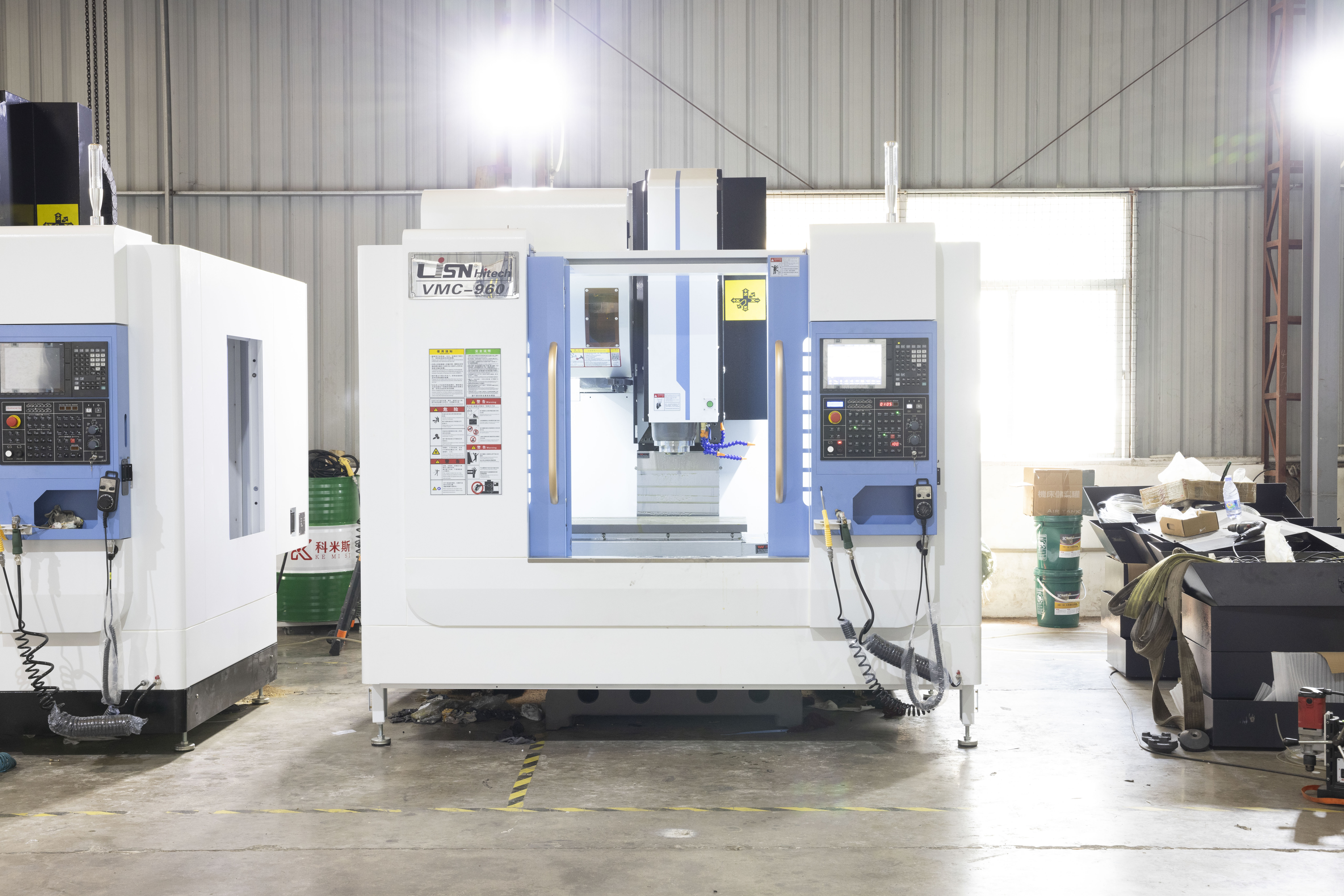
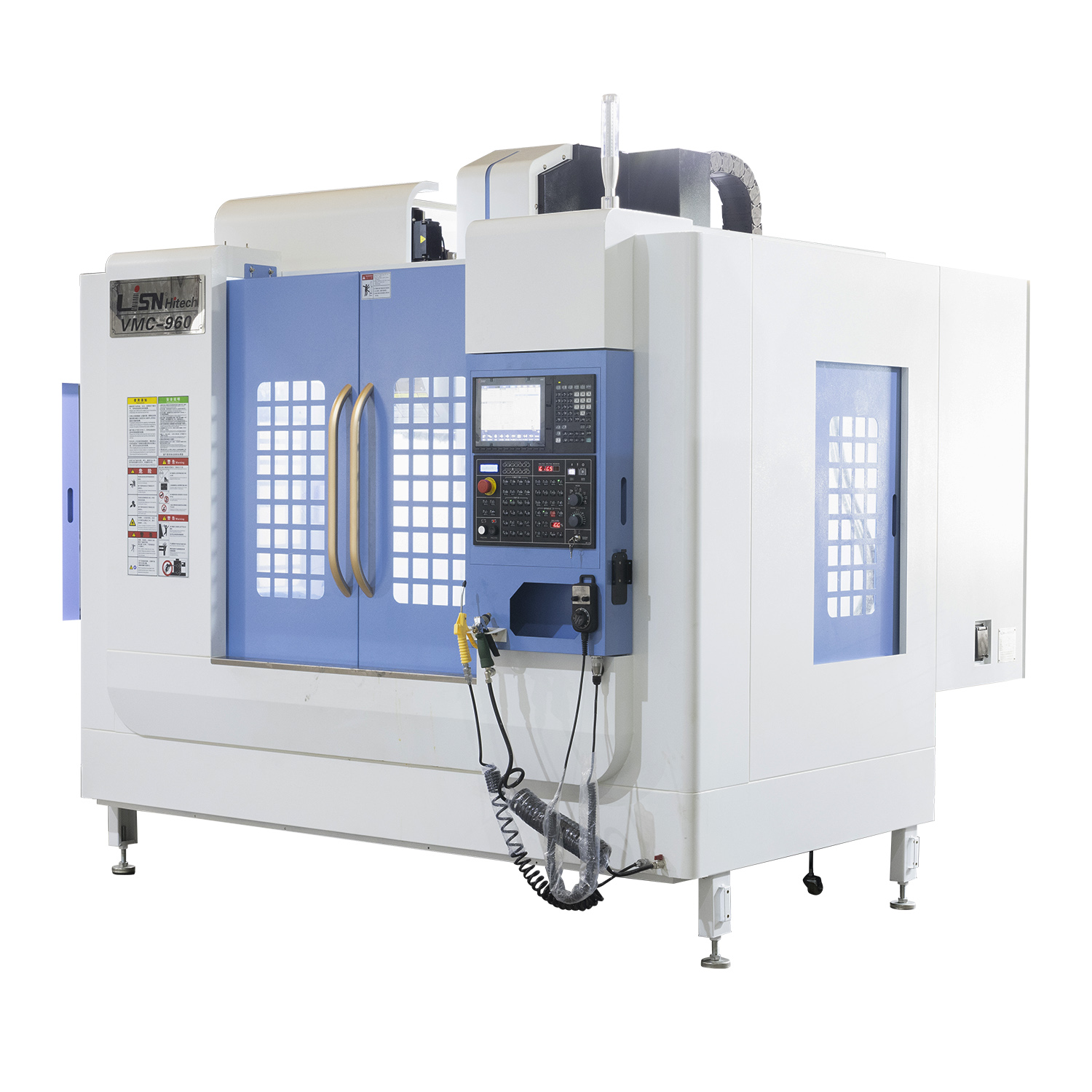
A VMC or Vertical Machining Center is a specific type of CNC machine. It is characterized by its vertical orientation of the spindle. In a VMC, the cutting tool is mounted vertically, and the workpiece is placed on a table below the spindle. This design allows for easy access to the workpiece from multiple sides, making it suitable for a wide range of machining operations such as milling, drilling, tapping, and boring.
Key Features of VMC
VMCs are equipped with multiple axes, typically three (X, Y, and Z), but some advanced models may have additional axes for more complex machining. The vertical spindle design provides better chip evacuation as the chips fall downwards, away from the cutting area. This helps in maintaining a clean working environment and reduces the risk of chip - related issues that could affect the quality of the machined part. VMCs also often come with automatic tool changers, which can quickly swap out different cutting tools, enabling multiple operations to be performed on a single workpiece without manual intervention.
Comparing CNC and VMC
Similarities
Both CNC and VMC are integral parts of modern manufacturing technology. They both rely on computer-controlled systems to operate. The fundamental principle of using pre-written programs to control the movement of cutting tools and workpieces is common to both. In terms of precision, both can achieve high levels of accuracy, making them suitable for industries where tight tolerances are required.
Differences
The main difference lies in the physical design and the range of applications. While CNC is a broad technology umbrella that encompasses various types of machines, VMC is a specific type of CNC machine with a vertical spindle configuration. VMCs are particularly well-suited for operations that require access to the top and sides of the workpiece, such as machining flat surfaces, creating pockets, and drilling holes at different angles. On the other hand, other types of CNC machines like CNC lathes are better for producing cylindrical parts.

Applications of CNC and VMC
Aerospace Industry
In the aerospace industry, both CNC and VMC play crucial roles. CNC machines are used to manufacture critical components such as turbine blades, engine parts, and aircraft structural components. VMCs are often used for machining complex shapes on aircraft parts, ensuring high precision and quality. For example, the machining of wing components may require the use of a VMC to create the intricate shapes and features necessary for optimal aerodynamics.
Automotive Industry
The automotive industry heavily relies on CNC and VMC technology. CNC machines are used to produce engine blocks, transmission components, and brake parts. VMCs can be used for machining parts with complex geometries, such as cylinder heads. The ability of VMCs to perform multiple operations in one setup reduces production time and costs, making them an ideal choice for automotive part manufacturing.
Mold and Die Making
In mold and die making, VMCs are widely used. The ability to create complex cavities and surfaces with high precision is essential in this industry. CNC-controlled VMCs can accurately machine molds for plastic injection molding, die-casting, and forging processes. The use of CNC technology in mold and die making ensures that the molds and dies produced are of high quality and can withstand the rigors of the manufacturing process.

Conclusion
In conclusion, CNC and VMC are vital technologies in modern manufacturing. CNC provides the foundation for computer-controlled machining, while VMC is a specialized type of CNC machine with unique capabilities. Understanding these technologies and their applications can help manufacturers choose the right equipment for their specific needs. As technology continues to advance, we can expect further improvements in the performance and capabilities of both CNC and VMC, further enhancing the efficiency and quality of the manufacturing process.


What Is CNC And HMC
What Does CNC Work Stand For
Related Article

Poor surface finish, inconsistent dimensions, vibration, or an unexpected stop doesn’t always mean something is wrong with your CNC lathe. Worn tooling, poor workholding, and unsuitable cutting parameters can cause many of the same symptoms.
Common problems and solutions for CNC lathes

How to Choose a CNC Lathe for Shaft Machining: A Guide to Types, Models, Materials, and Machining Capacity

