
What Is CNC Good For
author: Yannis
2025-06-03


Cultivated in CNC Machine Industry for 20+ years.
Specializing in CNC Milling, Drilling, Turning, Tapping, and so on...
Self-created Brand LiSN for 10+ Years



What Is CNC Good For
In the realm of modern manufacturing, CNC (Computer Numerical Control) technology has become indispensable, revolutionizing how products are made across diverse industries. CNC machines offer unparalleled precision, efficiency, and flexibility, making them ideal for applications ranging from prototyping to mass production. This blog explores what CNC is good for, highlighting its strengths and the sectors that benefit most from its capabilities.
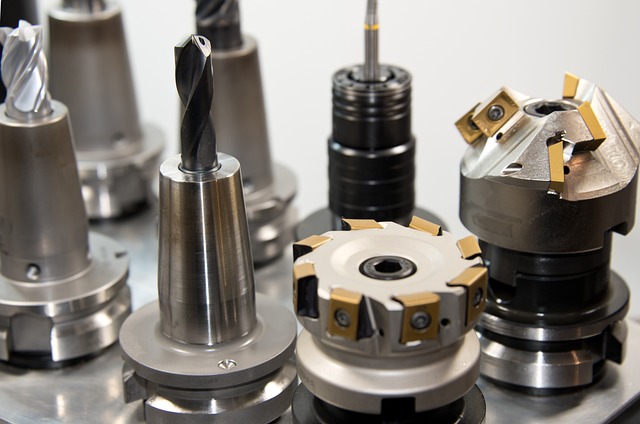
Precision Manufacturing at Scale
One of the primary strengths of CNC technology lies in its ability to deliver consistent precision across thousands of parts. Unlike manual machining, where human error can lead to inconsistencies, CNC machines follow programmed instructions to the exact millimeter, ensuring every component meets strict tolerances. For example, in aerospace manufacturing, CNC-machined turbine blades must withstand extreme temperatures and stresses, requiring tolerances as tight as ±0.01mm. A CNC machine can reproduce these parts identically, batch after batch, a feat that manual machining cannot match. This precision extends to industries like medical devices, where implants must fit perfectly within the human body, and automotive, where engine components demand seamless integration for optimal performance.
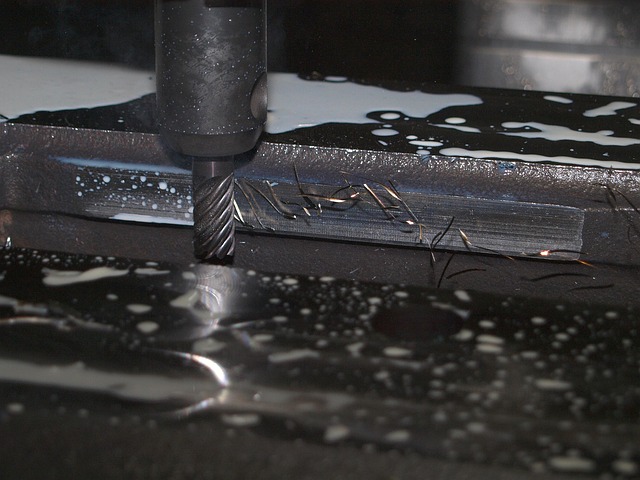
Complex Geometry and Intricate Designs
CNC machines excel at producing parts with complex geometries that are impossible or impractical to create manually. Three-axis CNC machines can handle basic 3D shapes, while four-axis and five-axis systems add rotational capabilities, enabling undercuts, organic curves, and multi-sided features. For instance, a five-axis CNC machine can carve a dental implant with micro-textures to promote bone growth, or machine a racing car’s engine block with integrated fluid channels for optimal cooling. These intricate designs not only enhance functionality but also push the boundaries of innovation—from aerodynamic aircraft components to ergonomic surgical tools.
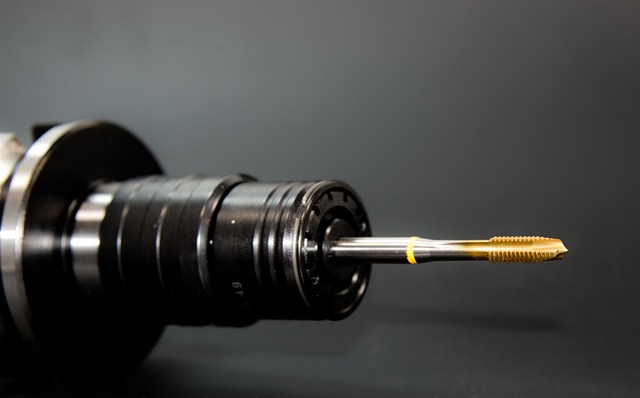
Versatility Across Materials and Industries
CNC technology is remarkably versatile, capable of working with a wide range of materials, including metals (aluminum, steel, titanium), plastics, composites, and even wood or foam. In electronics, CNC machines mill precise casings for smartphones and laptops from aluminum blocks, ensuring a perfect fit for internal components. In construction, they carve intricate patterns into marble or concrete for architectural elements. Even in the art world, CNC routers transform blocks of wood or stone into detailed sculptures, combining artistic vision with mechanical precision. This versatility makes CNC suitable for everything from small-batch custom products to large-scale industrial production.
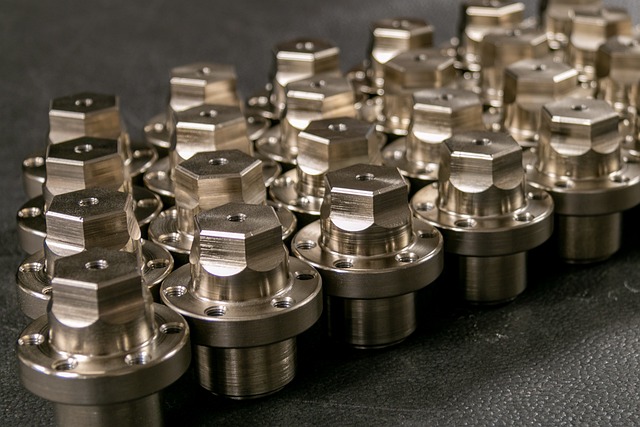
Efficient Prototyping and Rapid Iteration
For product developers, CNC machining is a game-changer for prototyping. Instead of waiting weeks for injection-molded prototypes, engineers can use CNC machines to create functional models in days, using the same materials as the final product. This allows for rapid iteration—testing a design, identifying flaws, and modifying the CAD model before mass production. For example, a robotics startup might use a CNC mill to produce a prototype robotic arm joint, test its durability, and refine the design multiple times before committing to manufacturing. This speed reduces time-to-market and ensures the final product meets user needs.
Cost-Effective Production for Various Volumes
Contrary to popular belief, CNC machining can be cost-effective for both low and high production volumes. For small batches, CNC machines eliminate the need for expensive molds or tooling, as each part is directly machined from a raw material block. For large volumes, their automation reduces labor costs and minimizes errors, leading to consistent quality at scale. For instance, a manufacturer producing 100 custom brackets for a niche market can use a CNC lathe to machine each part efficiently, while a car manufacturer might use a fleet of CNC robots to produce thousands of engine components daily. The ability to scale without compromising precision makes CNC a flexible solution for businesses of all sizes.
Integration with Industry 4.0 and Smart Manufacturing
CNC machines are at the heart of Industry 4.0, seamlessly integrating with smart manufacturing systems. They can be connected to factory networks for real-time monitoring, allowing manufacturers to track production metrics, predict tool wear, and optimize workflows. For example, a CNC machining center in a smart factory might use IoT sensors to alert operators when a tool needs replacement, reducing downtime. Additionally, CNC technology pairs well with other advanced manufacturing methods, such as additive manufacturing (3D printing). Hybrid machines can both 3D print and mill parts, combining the best of both technologies for complex components.
Conclusion
The applications of CNC technology are vast and varied, making it a cornerstone of modern manufacturing. From producing precision aerospace components to enabling rapid prototyping for startups, CNC machines offer the precision, versatility, and efficiency that industries demand. As technology advances—with smarter controllers, more intuitive programming, and tighter integration with digital systems—CNC will only become more essential, driving innovation in sectors from medical to automotive and beyond. Whether you need a single custom part or thousands of identical components, CNC machining provides the solution to turn ideas into reality with unmatched precision.

What Is Drilling And Tapping
What Is It Called Axis in CNC Machining
Related Article

Poor surface finish, inconsistent dimensions, vibration, or an unexpected stop doesn’t always mean something is wrong with your CNC lathe. Worn tooling, poor workholding, and unsuitable cutting parameters can cause many of the same symptoms.
Common problems and solutions for CNC lathes

How to Choose a CNC Lathe for Shaft Machining: A Guide to Types, Models, Materials, and Machining Capacity

