What Is CNC In A Factory
author: Yannis
2025-04-29

Cultivated in CNC Machine Industry for 20+ years.
Specializing in CNC Milling, Drilling, Turning, Tapping, and so on...
Self-created Brand LiSN for 10+ Years



What Is CNC In A Factory
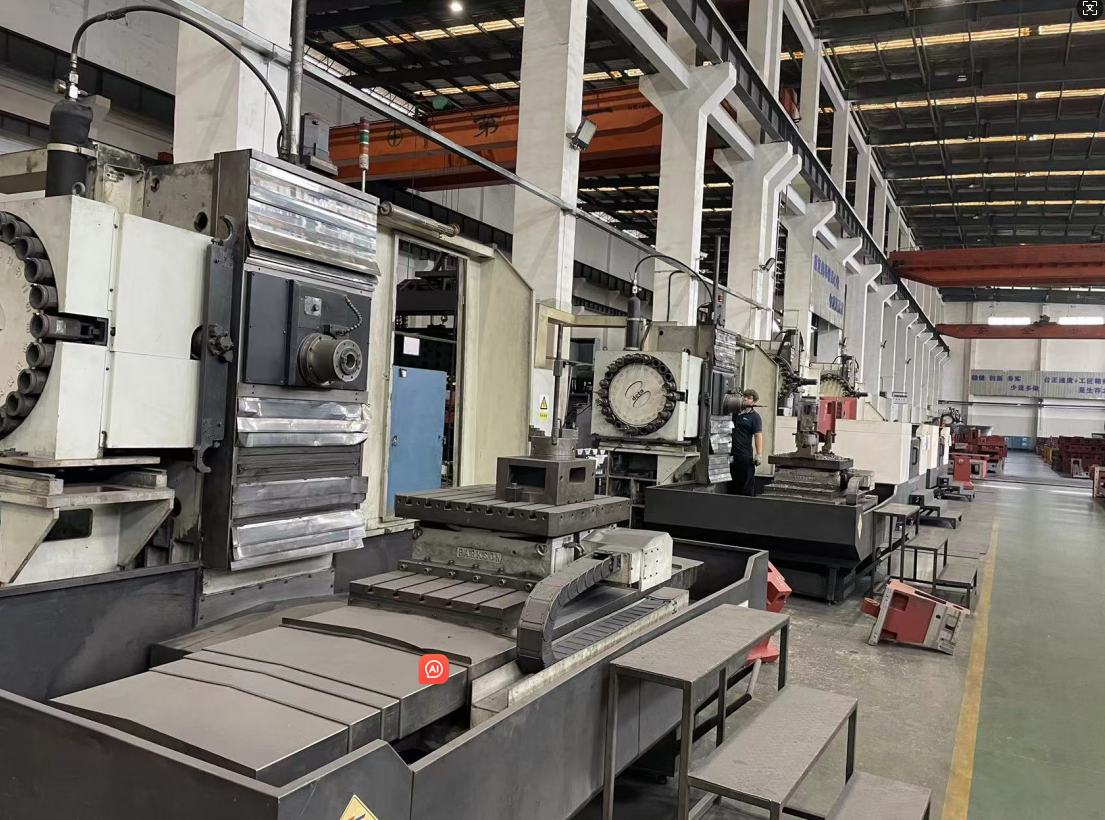
In the bustling environment of modern factories, CNC (Computer Numerical Control) has emerged as a transformative force. CNC technology, along with CNC machines, has revolutionized the way factories operate, enhancing efficiency, precision, and productivity. But what exactly is CNC in the context of a factory? This blog will explore the role, functions, and significance of CNC within factory settings.

Understanding the Basics of CNC in the Factory
CNC in a factory refers to the application of computer-controlled systems to operate various machine tools. Instead of relying on manual labor to guide the movement of cutting tools and perform machining operations, factories use CNC machines that follow pre-programmed instructions. These instructions, typically written in G-code, precisely dictate the movement of the machine's axes, the speed of the spindle, and the actions of the cutting tools.
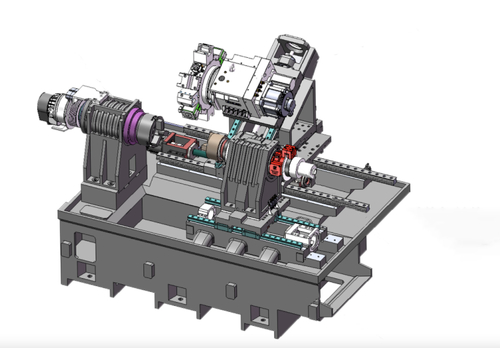
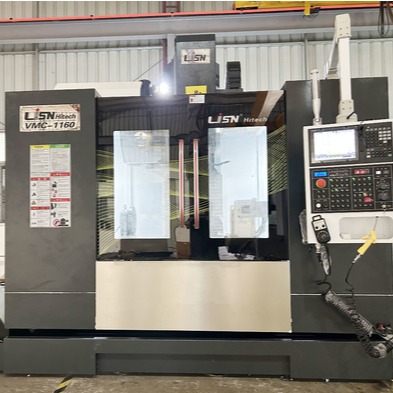
In a factory, CNC machines can take many forms, such as CNC milling machines, CNC lathes, and CNC routers. They are designed to handle a wide range of materials, including metals, plastics, and wood, making them versatile tools for different manufacturing processes. The integration of CNC technology into factory operations has shifted the paradigm from traditional, labor-intensive manufacturing to a more automated and streamlined approach.
How CNC Machines Operate in a Factory
Design and Programming Phase
The process begins with the design of the product or component using Computer-Aided Design (CAD) software. Factory engineers and designers create detailed digital models, specifying the shape, dimensions, and features of the part. This digital design is then transferred to Computer-Aided Manufacturing (CAM) software, which converts the CAD model into a G-code program. The CAM software takes into account factors like the type of material, the capabilities of the CNC machine, and the desired machining operations to generate a comprehensive set of instructions for the CNC machine.
Setup and Machining
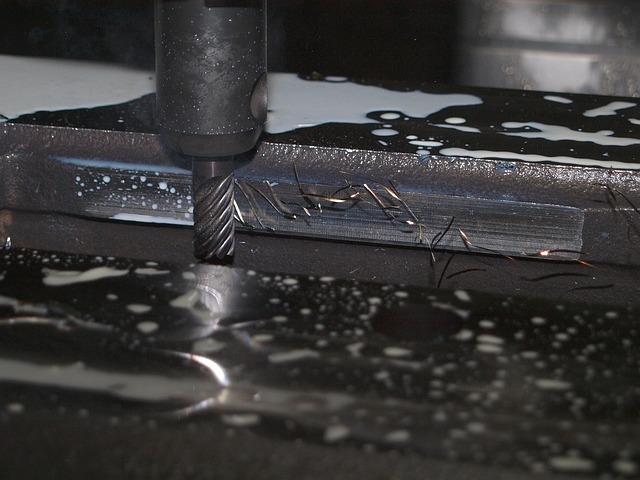
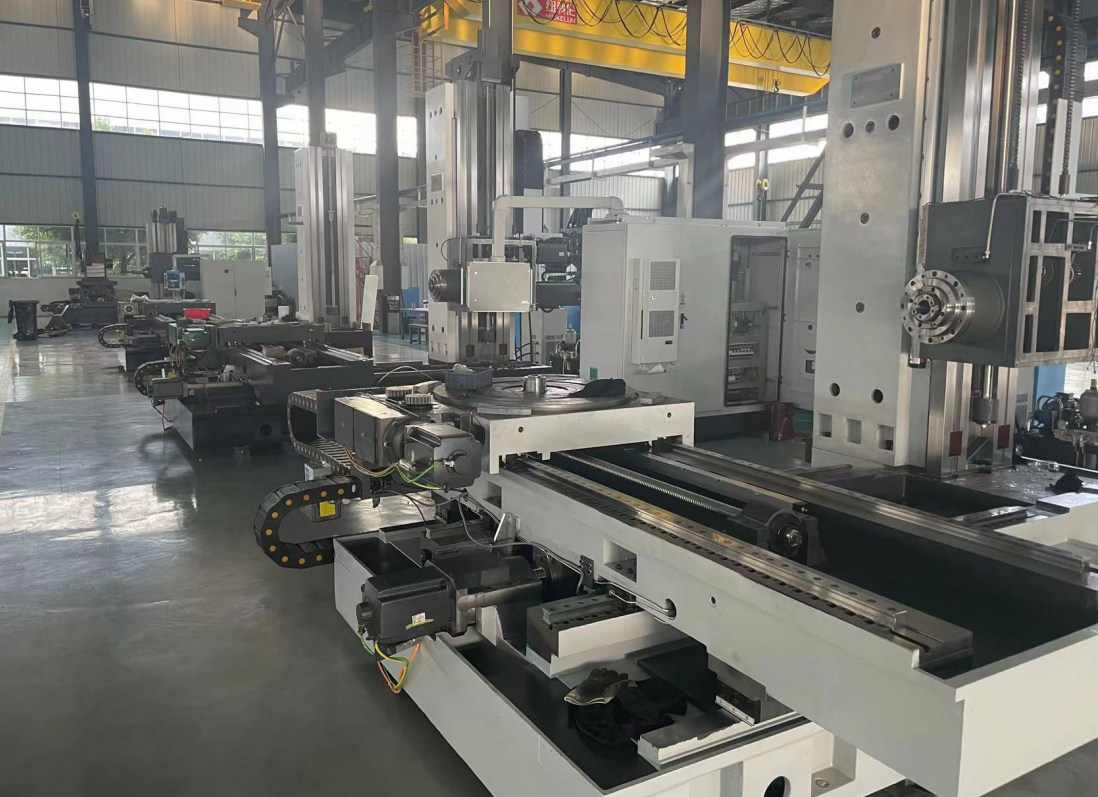
Once the programming is complete, factory operators set up the CNC machine for production. This involves installing the appropriate cutting tools, securing the raw material onto the worktable, and calibrating the machine to ensure accurate positioning. The G-code program is loaded into the CNC machine's control system, and the machine begins to execute the instructions. The control system sends electrical signals to the servo motors, which drive the movement of the machine's axes, precisely positioning the cutting tool to remove material from the workpiece and shape it into the desired product. Throughout the machining process, sensors on the CNC machine monitor parameters such as tool position, spindle speed, and temperature, and the control system makes real-time adjustments to maintain optimal performance.
Quality Control
Quality control is a crucial aspect of CNC operations in a factory. After the machining is finished, factory inspectors use various measuring tools and techniques to verify that the parts meet the specified quality standards. Coordinate Measuring Machines (CMMs) are often used to precisely measure the dimensions of the parts, while visual inspections and non-destructive testing methods are employed to check for surface defects and internal flaws. If any issues are detected, the CNC machine's program may be adjusted, or the machining process may be repeated to ensure the production of high -quality products.

Challenges and Future Trends
While CNC brings numerous benefits to factories, it also presents challenges. The high initial cost of CNC machines and software, along with the need for skilled operators and programmers, can be a barrier for some factories. Additionally, keeping up with the rapid pace of technological advancements in CNC technology requires continuous investment in training and equipment upgrades.
Looking ahead, the future of CNC in factories is promising. The integration of artificial intelligence (AI), the Internet of Things (IoT), and automation technologies is set to further enhance the capabilities of CNC machines. AI-powered algorithms can optimize machining processes, predict tool wear, and improve efficiency. IoT connectivity enables real-time monitoring and remote control of CNC machines, facilitating better production management and maintenance.
Conclusion
In conclusion, CNC is an essential technology in modern factories. It has transformed the manufacturing process by providing precision, increasing productivity, and offering flexibility. From automotive and aerospace to electronics and beyond, CNC machines play a crucial role in producing high- quality products. While challenges exist, the ongoing advancements in CNC technology will continue to drive innovation and efficiency in factory operations, shaping the future of manufacturing.


What Do CNC Machinists Do
Which Country Invented CNC Machine
Related Article
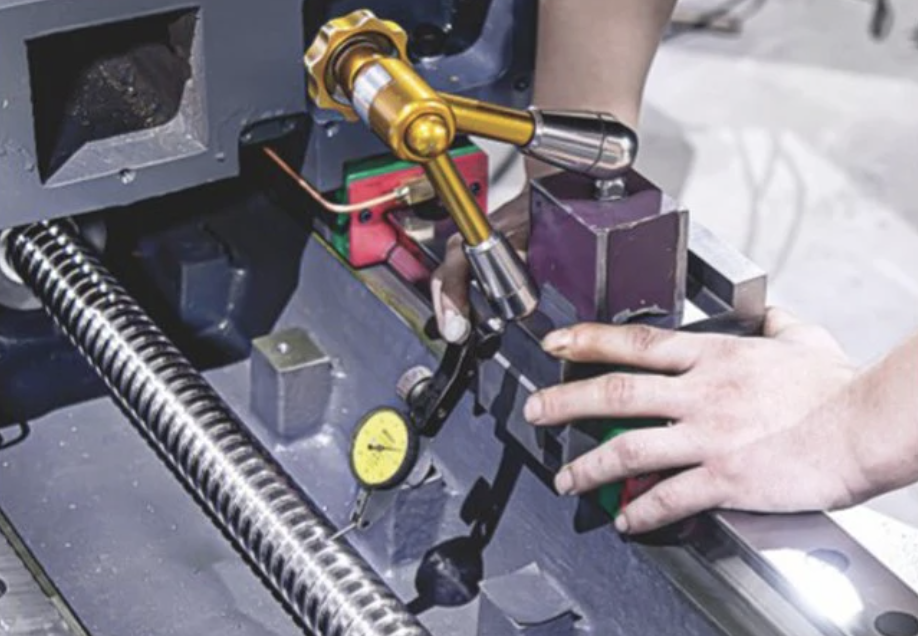
Poor surface finish, inconsistent dimensions, vibration, or an unexpected stop doesn’t always mean something is wrong with your CNC lathe. Worn tooling, poor workholding, and unsuitable cutting parameters can cause many of the same symptoms.
Common problems and solutions for CNC lathes
How to Choose a CNC Lathe for Shaft Machining: A Guide to Types, Models, Materials, and Machining Capacity