What Is CNC In Industry
author: Yannis
2025-03-12
What Is CNC In Industry
In the modern manufacturing landscape, CNC technology has become a cornerstone, revolutionizing the way products are made. This blog post will delve deep into what CNC is, how CNC machines work, their advantages, and their widespread applications.
CNC Defined
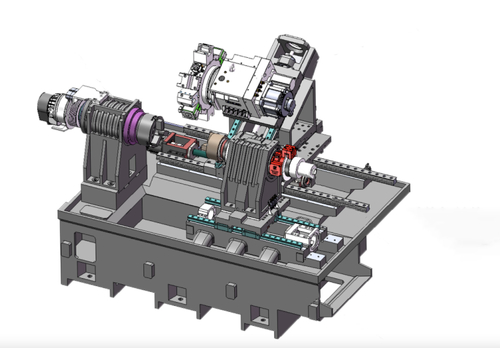
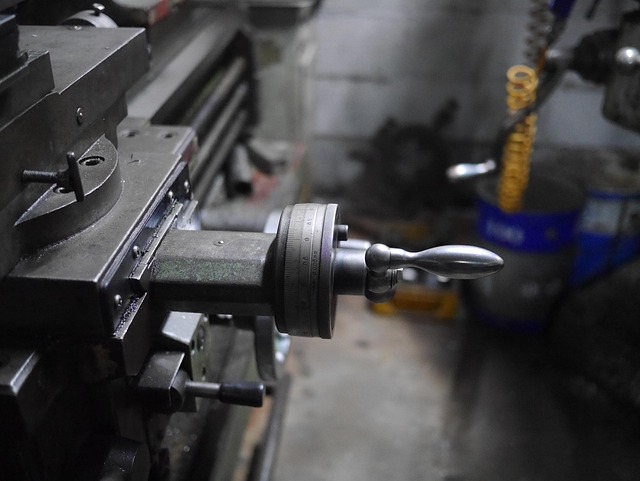
CNC stands for Computer Numerical Control. It is a technology that uses pre-programmed computer software to control the movement of factory tools and machinery. Instead of relying on manual operation for every task, CNC allows for precise and automated control of machining processes. This means that complex shapes and designs can be produced with a high degree of accuracy, which was previously challenging or even impossible to achieve manually.
How CNC Machines Operate
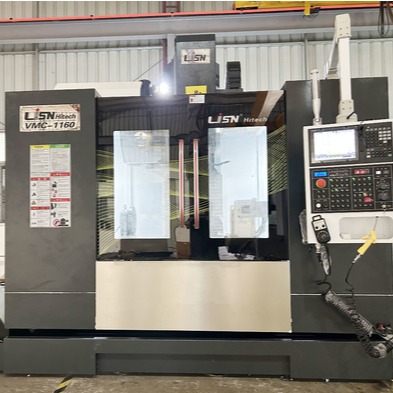
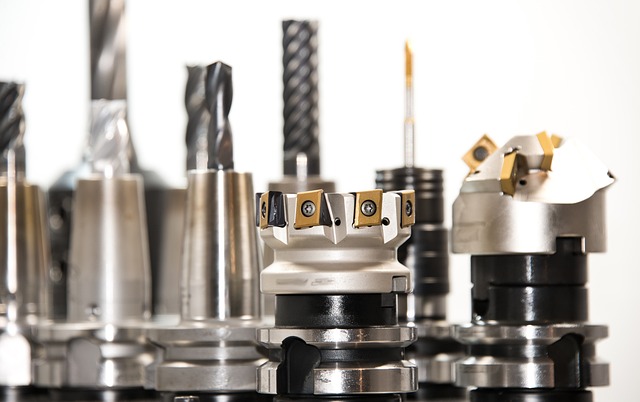
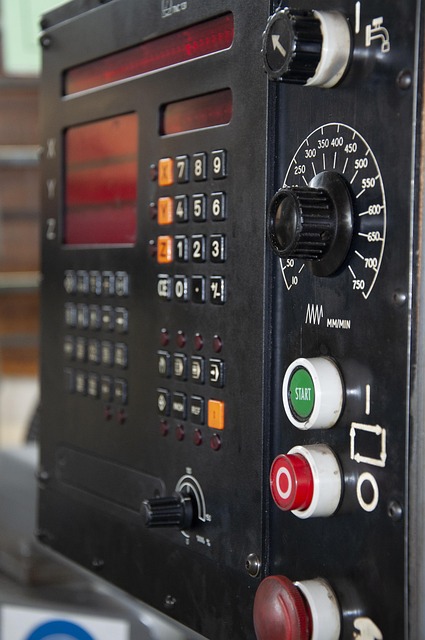
CNC machines are equipped with motors that control the movement of the cutting tools or the workpiece itself. These motors are directed by the computer program, which contains detailed instructions on the path the tool should follow. For example, in a CNC milling machine, the program will tell the machine how to move the cutting tool in three-dimensional space to carve out a specific shape from a block of material. The operator first creates a design using Computer-Aided Design (CAD) software and then converts it into a format that the CNC machine can understand, known as G-code. Once the program is loaded into the CNC machine, it takes over and executes the operations with extreme precision.
Advantages of CNC Machines
High Precision
One of the most significant advantages of CNC machines is their ability to achieve incredibly high precision. Tolerances of up to ±0.001 inches can be easily maintained, making them ideal for industries where accuracy is crucial, such as aerospace and medical device manufacturing.
Increased Efficiency
CNC machines can operate continuously for long periods without fatigue. They can perform multiple operations in one setup, reducing the need for manual intervention and minimizing production time. This leads to higher productivity and faster turnaround times for manufacturing projects.
Versatility
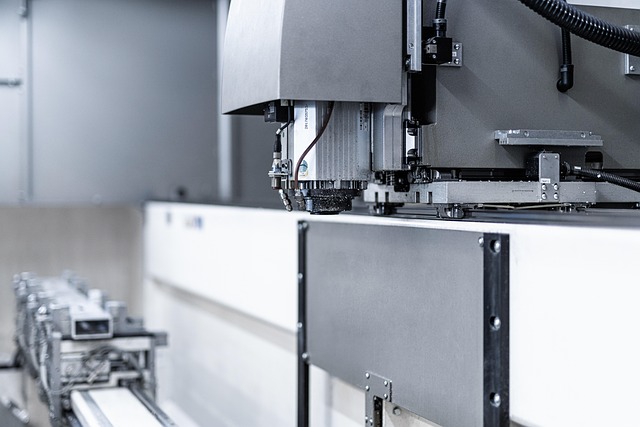
These machines are highly versatile and can be programmed to perform a wide range of tasks. Whether it's milling, turning, drilling, or grinding, a single CNC machine can be configured to handle different operations by simply changing the cutting tool and the program.
Applications of CNC Machines
Aerospace Industry
In the aerospace sector, CNC machines are used to manufacture critical components such as turbine blades, engine parts, and aircraft structural components. The high precision and reliability of CNC machines ensure that these components meet the strict quality and safety standards of the aerospace industry.
Automotive Industry
Automotive manufacturers rely on CNC machines for producing engine blocks, transmission components, and custom parts. The ability to mass-produce parts with consistent quality makes CNC machines an essential part of the automotive production line.
Medical Field
For the production of medical implants, prosthetics, and surgical instruments, CNC machines play a vital role. The accurate machining capabilities of CNC machines meet the precision required in creating these medical devices.
Conclusion
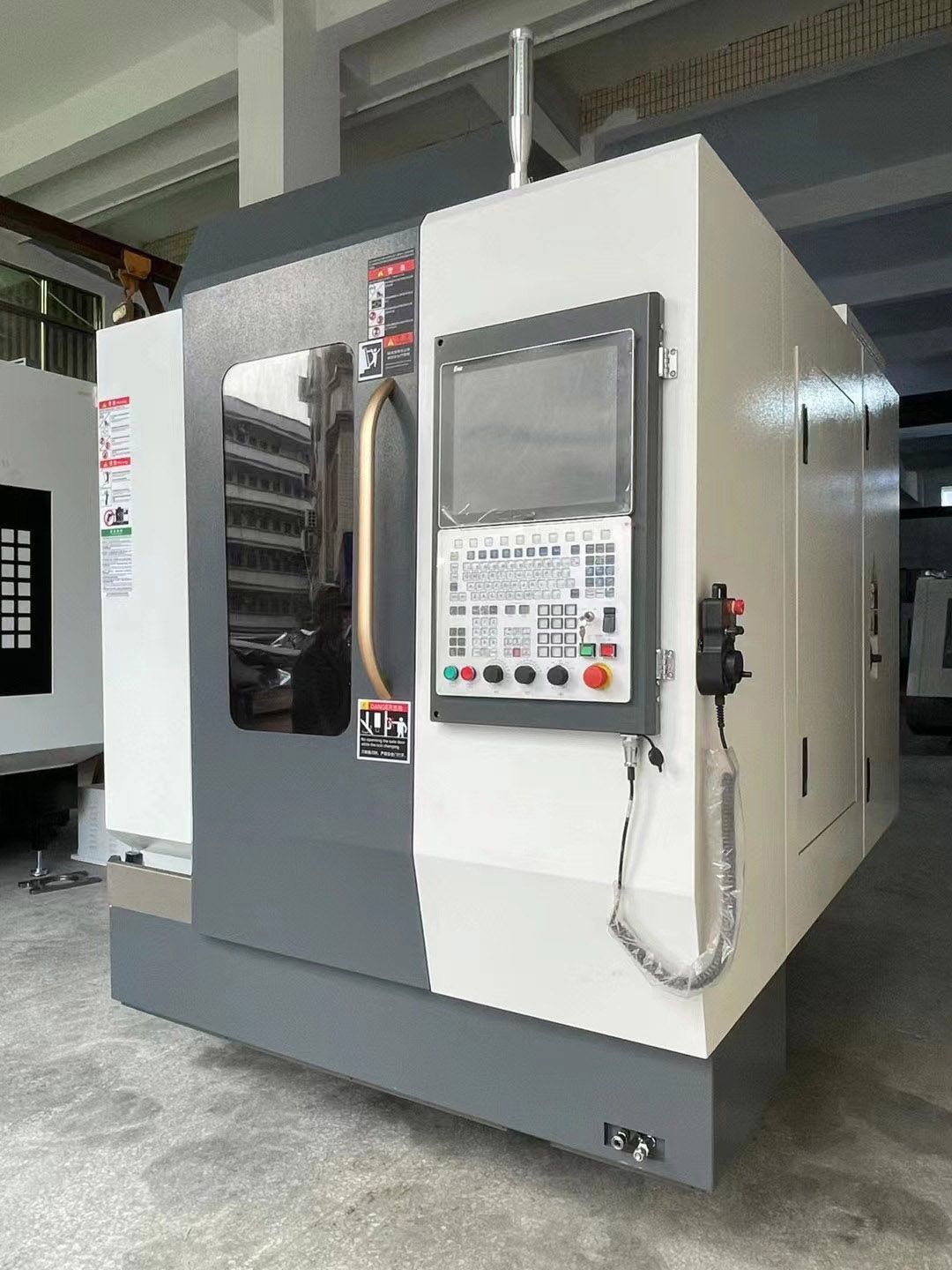
With its associated CNC machines, CNC technology has transformed the industrial manufacturing sector. Its ability to provide high precision, increased efficiency, and versatility has made it an indispensable part of numerous industries. Companies like Dongguan Lizhun Machinery Co., LTD, through their LiSN brand, are further enhancing the capabilities of CNC machines and driving innovation in the field. As technology advances, we can expect CNC to play an even more significant role in shaping the future of manufacturing.


What Are The 5 Common Types Of CNC Machines
How Do We Choose A CNC Machine
Related Article
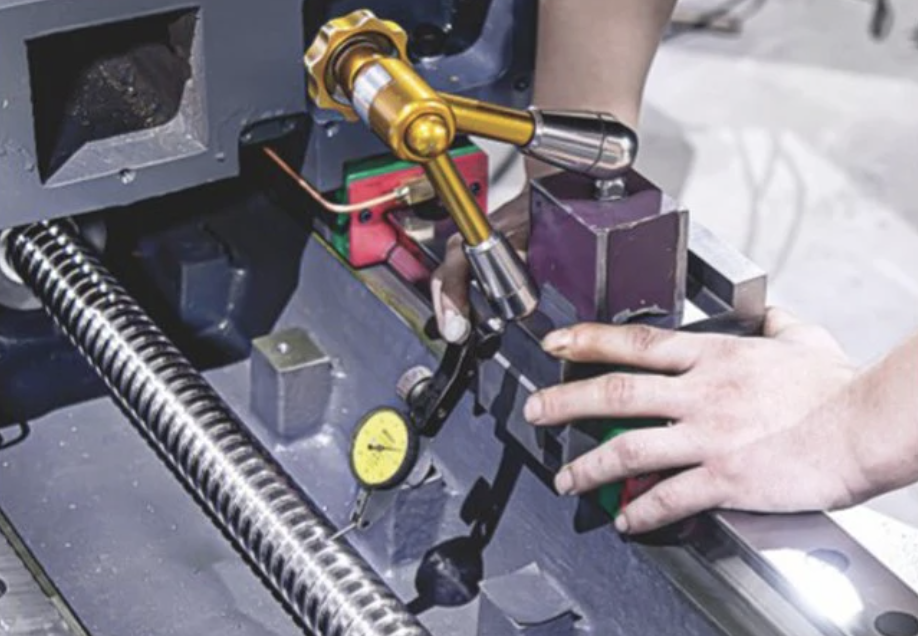
Poor surface finish, inconsistent dimensions, vibration, or an unexpected stop doesn’t always mean something is wrong with your CNC lathe. Worn tooling, poor workholding, and unsuitable cutting parameters can cause many of the same symptoms.
Common problems and solutions for CNC lathes
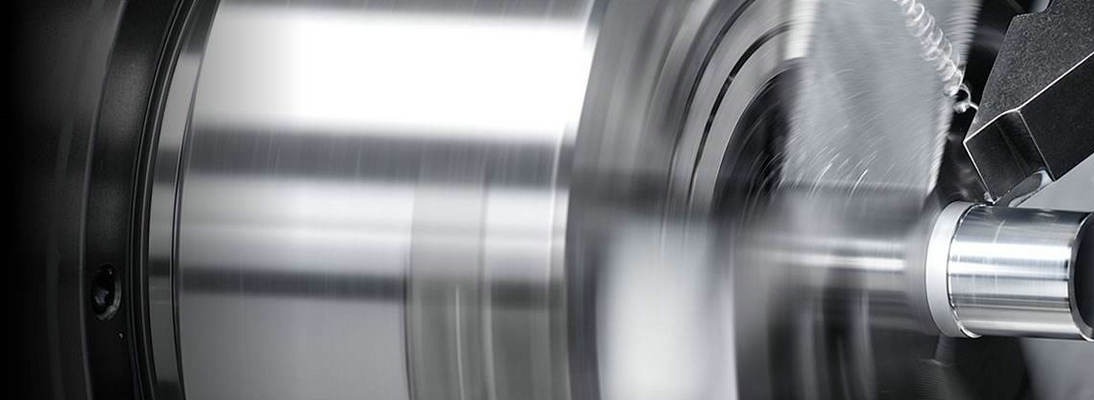
How to Choose a CNC Lathe for Shaft Machining: A Guide to Types, Models, Materials, and Machining Capacity