
What Is CNC Lathe
author: Yannis
2025-02-27
What Is CNC Lathe
In the realm of precision manufacturing, CNC (Computer Numerical Control) technology has transformed traditional machining processes. Among its most iconic applications, CNC lathes stand out as essential tools for creating cylindrical, symmetrical, and rotational parts. This blog explores the definition, working principles, types, and advantages of CNC lathes, and the contributions of industry leaders like Dongguan Lizhun Machinery Co., LTD and the LiSN concept in advancing this technology.
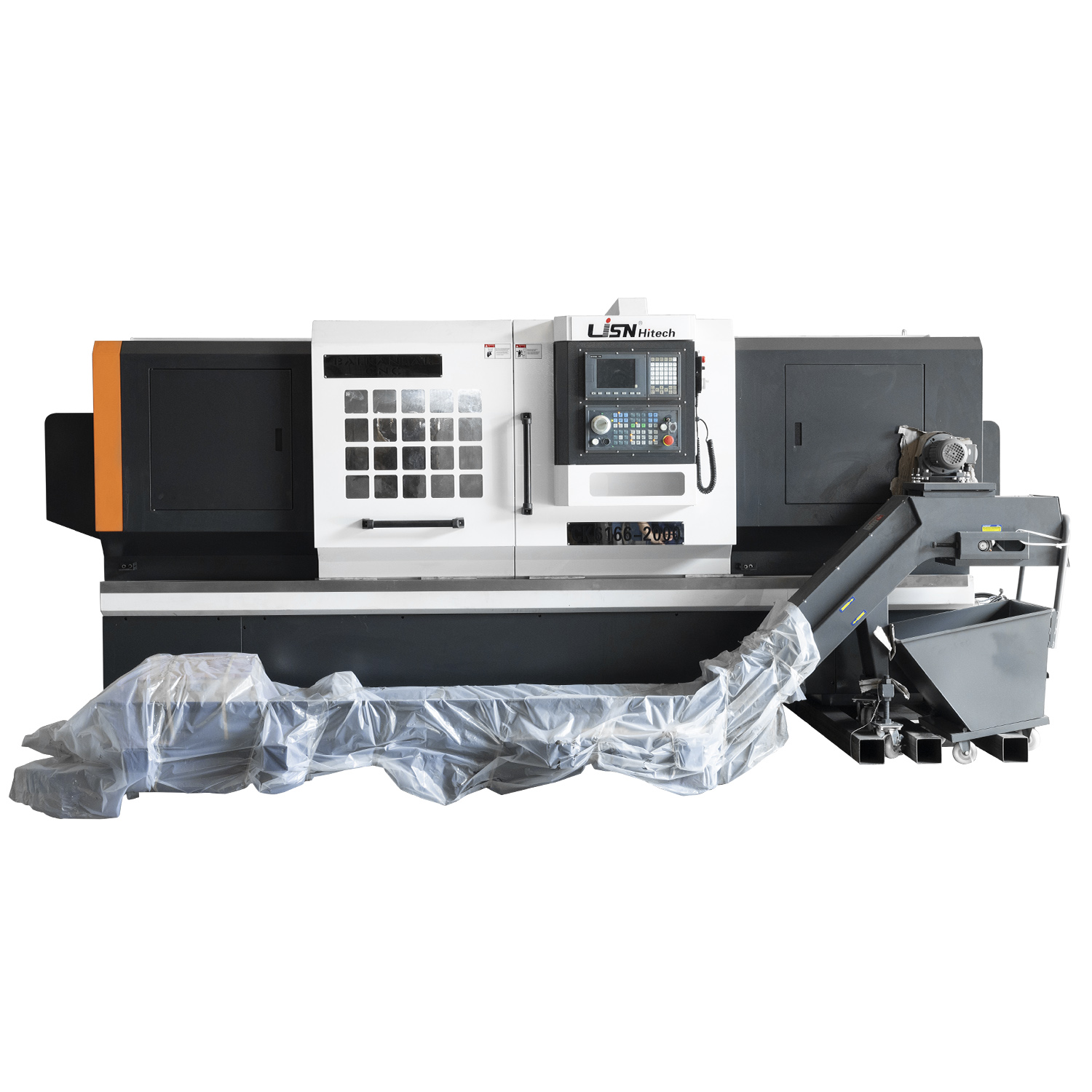

1. Understanding the Basics of CNC Lathes
1.1 Definition of a CNC Lathe
A CNC lathe is a specialized CNC machine designed to rotate a workpiece against stationary cutting tools. Unlike milling machines or routers that move the cutting tool, CNC lathes spin the material while tools shape it into precise forms such as shafts, gears, and pipes. This rotational motion allows for high-accuracy machining of symmetrical components.
1.2 Key Differences from Other CNC Machines
- Operation Principle: Lathes rotate the workpiece while milling machines rotate the cutting tool.
- Material Removal: Lathes use single-point cutting tools, whereas routers and milling machines use multi-point tools.
- Part Geometry: Ideal for cylindrical, conical, and threaded parts.

2. How Does a CNC Lathe Work?
2.1 The Programming Process
- CAD Design: Engineers create 3D models of the desired part using software like SolidWorks.
- CAM Toolpath Generation: CAM software converts the CAD model into G-code instructions, specifying tool movements, speeds, and depths.
- Machine Setup: The workpiece is mounted on the lathe's chuck, and cutting tools are loaded into the turret.
- Automated Machining: The CNC lathe executes the G-code, precisely shaping the workpiece through turning, facing, and grooving operations.
2.2 Core Components of a CNC Lathe
- Headstock: Contains the spindle that rotates the workpiece.
- Tailstock: Supports long workpieces during machining.
- Turret: Houses multiple cutting tools for sequential operations.
- Bed: Provides a rigid base for all components.

3. Types of CNC Lathes
3.1 Horizontal CNC Lathes
- Design: Workpiece rotates horizontally.
- Applications: Long shafts, pipes, and large-diameter parts.
3.2 Vertical CNC Lathes
- Design: Workpiece rotates vertically.
- Advantages: Better stability for heavy or large-diameter workpieces.
- Industry Use: Aerospace turbine components and automotive brake discs.
3.3 Swiss - Type CNC Lathes
- Specialty: High-precision machining of small, complex parts.
- Technology: Uses guide bushings to support long, thin workpieces..
3.4 Multitasking CNC Lathes
- Functionality: Combines turning with milling and drilling operations.
- Efficiency: Reduces setup time by performing multiple tasks in one machine.

4. Advantages of CNC Lathes
4.1 Unmatched Precision
CNC lathes achieve tolerances as tight as ±0.01mm, ensuring consistent quality in critical industries like aerospace and medicine.
4.2 Enhanced Productivity
Automated tool changes and continuous operation allow 24/7 production, increasing output by up to 80% compared to manual lathes.
4.3 Complex Geometry Machining
Capable of creating intricate features like internal threads, tapers, and undercuts without manual intervention.
4.4 Cost Efficiency
While initial investment is significant, long-term savings come from reduced labor costs and minimized material waste.Machinery

Conclusion
CNC lathes are the backbone of precision manufacturing, delivering accuracy and efficiency across industries. Companies like Dongguan Lizhun machinery Co., LTD are driving innovation through advanced technologies like LiSN, ensuring CNC lathes remain at the forefront of industrial evolution. As connectivity and automation continue to advance, the future of CNC lathes promises even greater integration and productivity gains.
How Does A CNC Lathe Work
What Is A CNC Router
Related Article

Poor surface finish, inconsistent dimensions, vibration, or an unexpected stop doesn’t always mean something is wrong with your CNC lathe. Worn tooling, poor workholding, and unsuitable cutting parameters can cause many of the same symptoms.
Common problems and solutions for CNC lathes

How to Choose a CNC Lathe for Shaft Machining: A Guide to Types, Models, Materials, and Machining Capacity

