What Is CNC Making
author: Yannis
2025-04-25

Cultivated in CNC Machine Industry for 20+ years.
Specializing in CNC Milling, Drilling, Turning, Tapping, and so on...
Self-created Brand LiSN for 10+ Years



What Is CNC Making
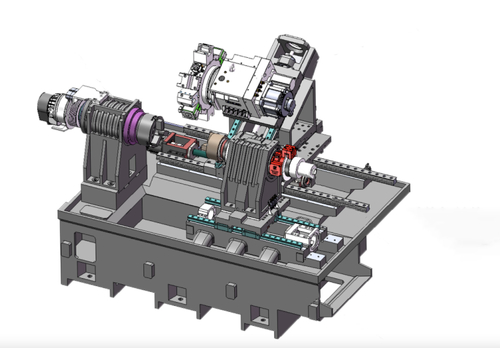
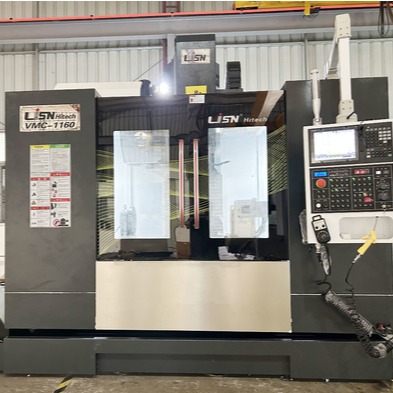
In the dynamic landscape of modern manufacturing, CNC making has emerged as a game-changing approach, powered by CNC (Computer Numerical Control) technology. CNC making refers to the process of using CNC machines to fabricate a wide variety of products with precision and efficiency. This blog will explore the ins and outs of CNC making, including its working principles, key features, advantages, and diverse applications across industries.

Understanding the Basics of CNC Making
At its essence, CNC making leverages the power of CNC machines to automate the manufacturing process. Unlike traditional manual machining, where operators directly control machine tools, CNC making relies on pre-programmed instructions, typically written in G-code, to guide the operation of CNC machines. These instructions precisely dictate the movement of the machine's axes, the speed of the spindle, and the actions of cutting tools, enabling the creation of complex and accurate parts.
The integration of computers in CNC making allows for a high level of control and repeatability. Once a program is created and loaded into the CNC machine's control system, the machine can execute the same operations over and over again with minimal variation, ensuring consistent quality in the products it manufactures.

The Process of CNC Making
Design and Programming
The journey of CNC making begins with the design phase. Using Computer-Aided Design (CAD) software, designers create detailed digital models of the products to be manufactured. These models define the shape, dimensions, and features of the parts. Subsequently, Computer-Aided Manufacturing (CAM) software is employed to convert the CAD models into G-code programs. The CAM software takes into account factors such as the type of material, the cutting tools to be used, and the machining operations required, generating a comprehensive set of instructions for the CNC machine.
Setup and Preparation
Before the actual machining process starts, the CNC machine needs to be set up. This involves installing the appropriate cutting tools in the machine's tool holder, securing the raw material onto the worktable, and calibrating the machine to ensure accurate positioning. Operators also load the G-code program into the CNC machine's control system and verify that all the settings are correct.
Machining
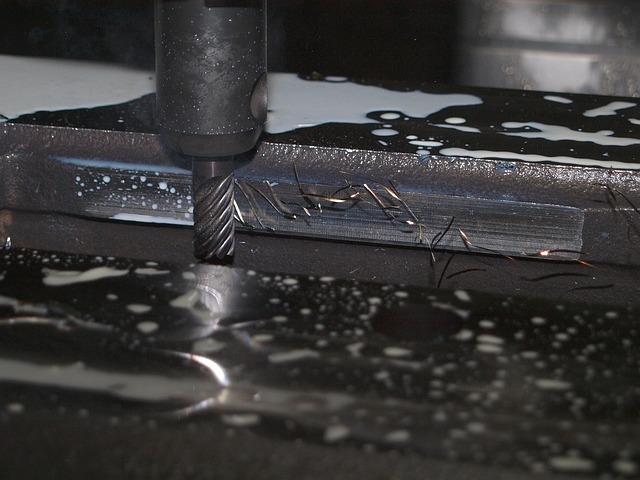
Once the setup is complete, the CNC machine springs into action. The control system reads the G-code instructions and sends electrical signals to the servo motors, which drive the movement of the machine's axes. The cutting tools then remove material from the workpiece according to the programmed paths, gradually shaping it into the desired product. Throughout the machining process, sensors on the CNC machine monitor various parameters such as tool position, spindle speed, and temperature. If any deviations from the programmed values are detected, the control system can make real-time adjustments to maintain the quality of the machining.
Quality Control and Finishing
After the machining is finished, the parts undergo quality control checks. Operators use measuring tools such as calipers, micrometers, and coordinate measuring machines (CMMs) to verify that the dimensions and features of the parts meet the specified requirements. In some cases, additional finishing operations such as polishing, deburring, or heat treatment may be performed to enhance the surface finish and mechanical properties of the products.

Applications of CNC Making
CNC making has a wide range of applications across various industries. In the automotive industry, it is used to manufacture engine components, transmission parts, and body panels. The aerospace sector relies on CNC making to produce high-precision parts for aircraft engines, wings, and fuselages. In the electronics industry, CNC machines are employed to create circuit boards, enclosures, and other intricate components. Additionally, CNC making is widely used in industries such as woodworking, jewelry making, and mold manufacturing, where it enables the production of detailed and customized products.

Conclusion
CNC making, powered by CNC technology and executed through CNC machines, has become an indispensable part of modern manufacturing. Its ability to deliver precision, productivity, and flexibility has transformed the way products are made, enabling the creation of high-quality items across a diverse range of industries. As technology continues to evolve, CNC making is likely to become even more advanced, further enhancing its capabilities and driving innovation in the manufacturing world.


Is CNC Only For Metal
What Does CNC Mean In Technology
Related Article
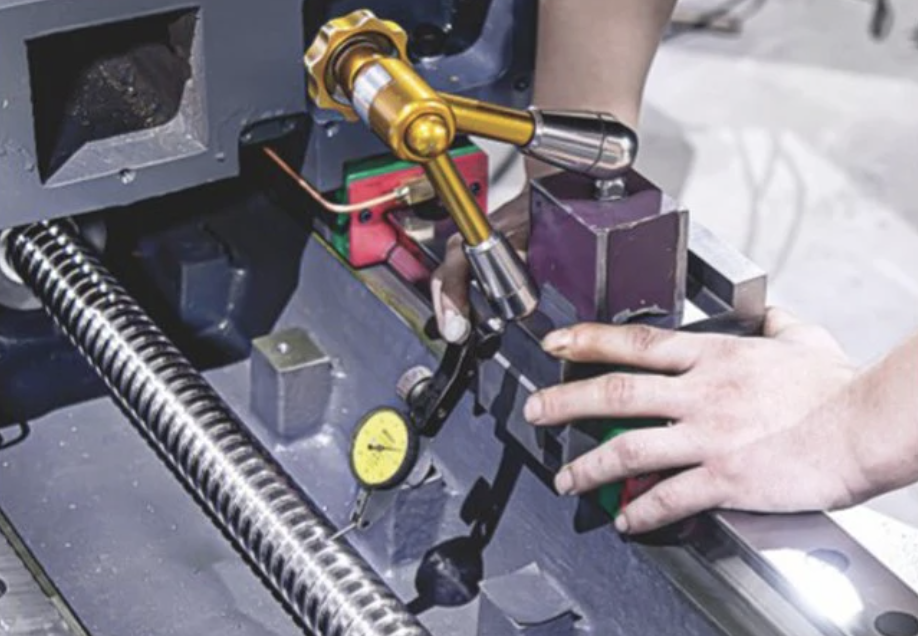
Poor surface finish, inconsistent dimensions, vibration, or an unexpected stop doesn’t always mean something is wrong with your CNC lathe. Worn tooling, poor workholding, and unsuitable cutting parameters can cause many of the same symptoms.
Common problems and solutions for CNC lathes
How to Choose a CNC Lathe for Shaft Machining: A Guide to Types, Models, Materials, and Machining Capacity