What Is CNC Organization
author: Yannis
2025-05-06
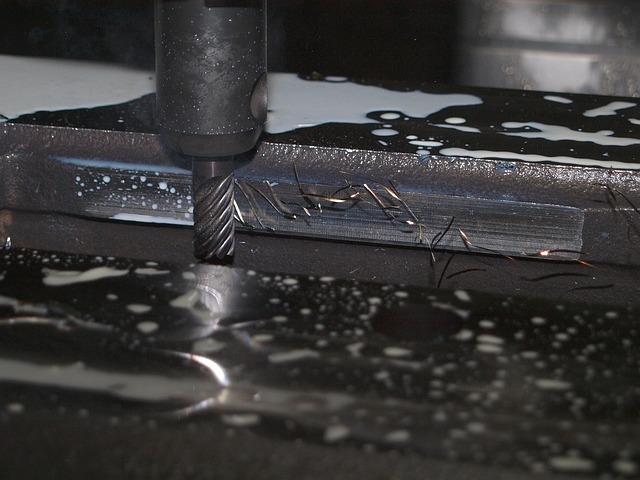

Cultivated in CNC Machine Industry for 20+ years.
Specializing in CNC Milling, Drilling, Turning, Tapping, and so on...
Self-created Brand LiSN for 10+ Years



What Is CNC Organization
In the realm of modern manufacturing, the term CNC Organization encompasses the structure, management, and operational aspects of entities that utilize CNC (Computer Numerical Control) technology. Whether it's a large-scale manufacturing plant, a specialized machining workshop, or a research and development facility, a CNC Organization is centered around efficiently using CNC machines to produce high-quality parts and products. This blog will delve into what constitutes a CNC Organization, its key components, and how it functions.

Defining CNC Organization
A CNC Organization refers to an entity, be it a company, department, or unit, that integrates CNC technology into its manufacturing or production processes. At the heart of this organization are CNC machines, which are computer-controlled tools that perform various machining operations based on pre-programmed instructions. However, a CNC Organization is not just about the machines; it involves a coordinated system of people, processes, and resources working together to achieve specific manufacturing goals.
Key Components of a CNC Organization
Personnel
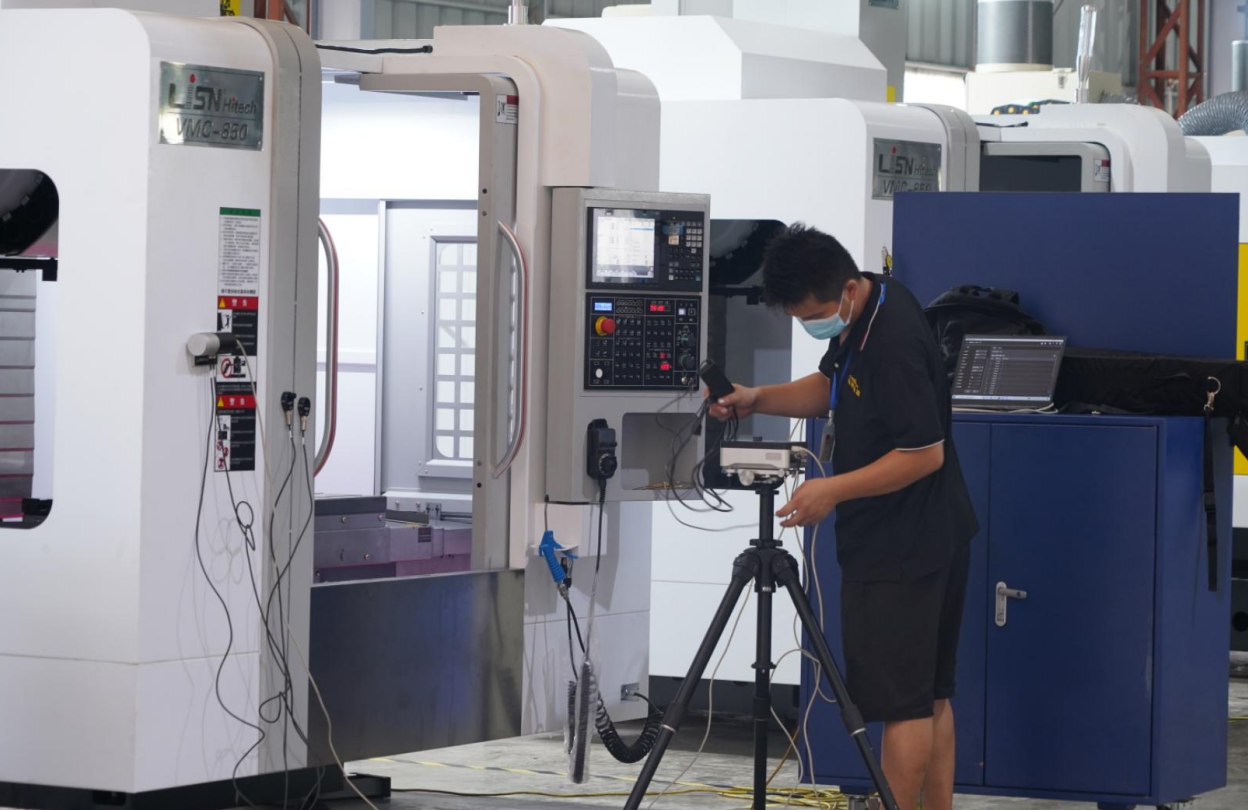
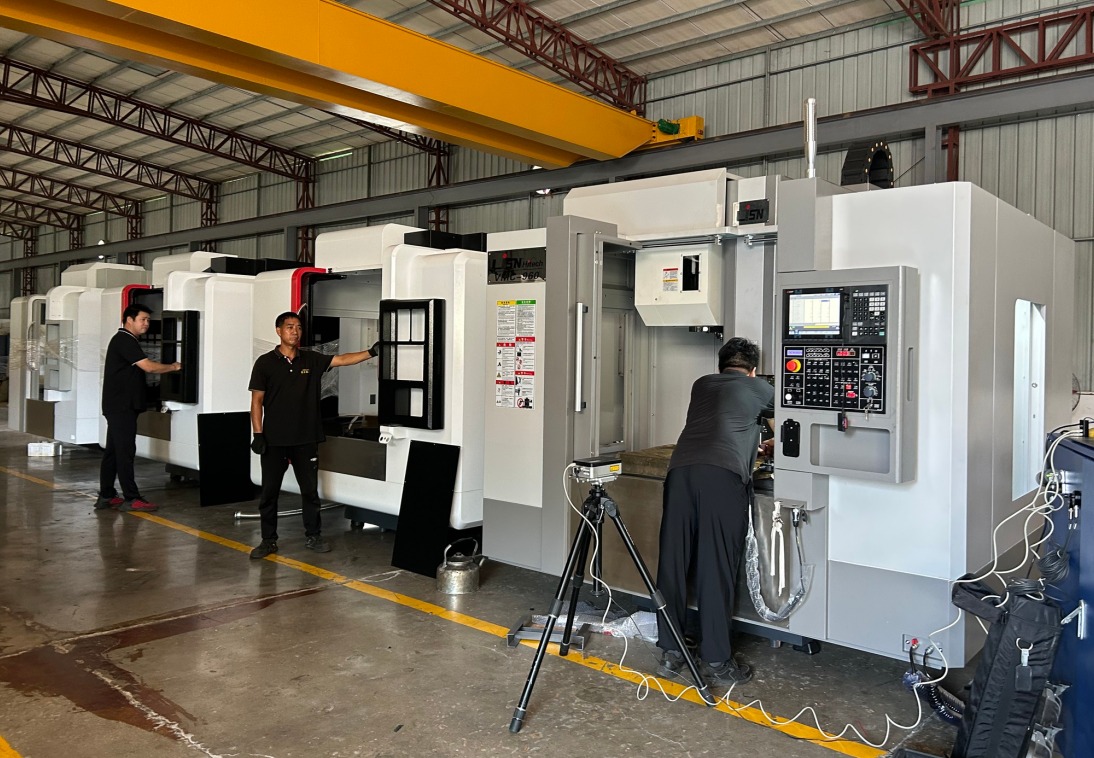
Skilled personnel are the backbone of any CNC Organization. This includes CNC machinists who operate the CNC machines, programmers who create the G-code programs for the machines, engineers who design the parts and optimize the machining processes, and quality control inspectors who ensure the produced parts meet the required standards. Additionally, some managers and supervisors oversee the overall operations, allocate resources, and meet production schedules. Each role requires specific training and expertise, and the collaboration among these individuals is crucial for the smooth functioning of the CNC Organization.
Infrastructure
The infrastructure of a CNC Organization includes the physical space where the CNC machines are located, as well as the support systems. The manufacturing floor needs to be designed to accommodate the CNC machines, with proper ventilation, lighting, and electrical supply. Storage areas for raw materials, tools, and finished products are also essential. Moreover, the organization often relies on software systems for design (Computer-Aided Design or CAD), programming (Computer-Aided Manufacturing or CAM), and enterprise resource planning (ERP) to manage various aspects of production, inventory, and finances.
Processes
CNC Organizations have well-defined processes for every stage of production. This starts with the design process, where engineers use CAD software to create digital models of the parts. These designs are then translated into G-code programs using CAM software. The programming process requires careful consideration of factors such as the type of material, the capabilities of the CNC machine, and the desired machining operations.
Once the program is ready, the setup process involves installing the appropriate cutting tools, securing the raw material on the CNC machine's worktable, and calibrating the machine. During the machining process, operators monitor the CNC machine's performance, making adjustments as needed. Finally, the quality control process ensures that the finished parts meet the specified dimensions, surface finish, and other requirements.

How a CNC Organization Operates
Production Planning
Production planning is a critical aspect of a CNC Organization's operations. Managers analyze customer orders, production capacity, and available resources to create production schedules. They determine which CNC machines will be used for each job, allocate the necessary raw materials and tools, and set deadlines for completion. This planning helps optimize the use of resources and ensures that production runs smoothly without delays.
Coordination and Communication
Effective coordination and communication are essential within a CNC Organization. The programming team needs to communicate closely with the engineering team to ensure that the G-code programs accurately reflect the design specifications. CNC machinists must communicate any issues or observations during the machining process to the programmers and engineers for quick resolution. Quality control inspectors also play a vital role in communicating any quality issues to the relevant departments so that corrective actions can be taken promptly.
Continuous Improvement
To stay competitive, CNC Organizations are constantly looking for ways to improve their processes and operations. This may involve adopting new CNC technologies, upgrading software systems, or providing additional training to employees. By continuously evaluating and optimizing their processes, CNC Organizations can increase productivity, reduce costs, and enhance the quality of their products.
Conclusion
In summary, a CNC Organization is a complex and well-organized entity that leverages CNC technology and CNC machines to achieve its manufacturing objectives. With the right combination of personnel, infrastructure, and processes, along with effective planning, coordination, and a focus on continuous improvement, CNC Organizations can produce high-quality parts and products efficiently. As CNC technology continues to evolve, so too will the structure and operations of these organizations, enabling them to meet the ever-changing demands of the manufacturing industry.


What Is The Meaning of CNC Company
Why Do People Use CNC
Related Article
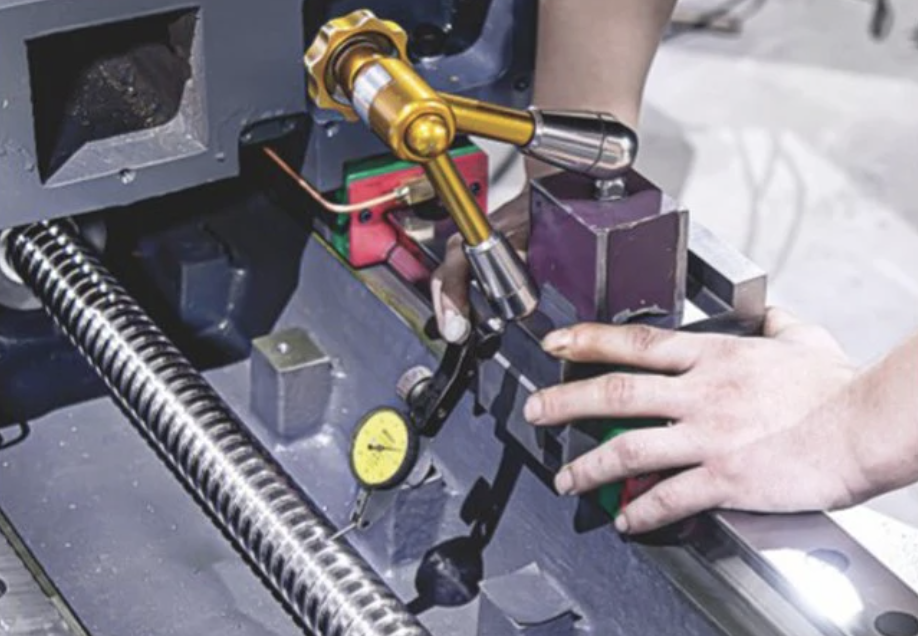
Poor surface finish, inconsistent dimensions, vibration, or an unexpected stop doesn’t always mean something is wrong with your CNC lathe. Worn tooling, poor workholding, and unsuitable cutting parameters can cause many of the same symptoms.
Common problems and solutions for CNC lathes
How to Choose a CNC Lathe for Shaft Machining: A Guide to Types, Models, Materials, and Machining Capacity