What Is CNC System
author: Yannis
2025-04-15

Cultivated in CNC Machine Industry for 20+ years.
Specializing in CNC Milling, Drilling, Turning, Tapping, and so on...
Self-created Brand LiSN for 10+ Years



What Is CNC System
In the modern manufacturing landscape, the term CNC (Computer Numerical Control) is omnipresent. CNC systems lie at the heart of CNC machines, revolutionizing how parts are produced. This blog aims to demystify what a CNC system is, its components, working principles, and the impact it has on the manufacturing industry.

Defining the CNC System
A CNC system is a computerized control unit that replaces traditional manual operation in machine tools. Instead of an operator physically manipulating levers and handwheels to control the movement of cutting tools, a CNC system uses pre-programmed instructions to automate these processes. These instructions, typically written in a standardized language like G-code, direct CNC machines on how to move their axes, control spindle speeds, and execute machining operations with unparalleled precision.

Key Components of a CNC System
CNC Controller
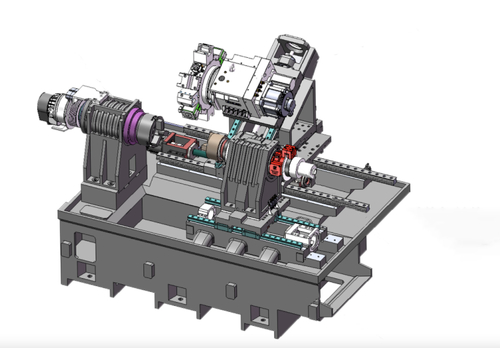
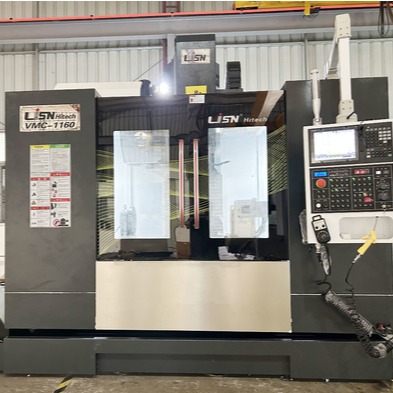
The CNC controller is the brain of the system. It reads the G-code programs fed into it and interprets the instructions. This controller processes data in real-time, sending electrical signals to the various components of the CNC machine. Modern controllers are equipped with powerful processors and memory, enabling them to handle complex programs efficiently. For example, in a CNC milling machine, the controller coordinates the movement of the X, Y, and Z axes to create intricate shapes on the workpiece.
Servo Motors
Servo motors are crucial for the physical movement of CNC machines. The CNC system sends signals from the controller to these motors, which then precisely move the machine's axes. Servo motors can accurately position the cutting tool or the workpiece to within microns. In a CNC lathe, servo motors rotate the spindle at the specified speed and move the tool carriage along the required paths to turn the workpiece into the desired shape.
Input Devices
Input devices allow operators to transfer programs to the CNC system. This can include USB drives, Ethernet connections, or direct input via the machine's control panel. CAD/CAM (Computer-Aided Design/Computer-Aided Manufacturing) software is often used to generate the G-code programs, which are then uploaded to the CNC system through these input devices.

How a CNC System Works
The process begins with the creation of a design using CAD software. The design is then converted into a machining program by CAM software, generating G-code instructions. These instructions are transferred to the CNC system's controller.
Once the program is loaded, the controller reads the G-code line by line. Each instruction corresponds to a specific action, such as moving the tool to a certain coordinate, changing the spindle speed, or starting a cutting operation. The controller sends electrical signals to the servo motors based on these instructions, guiding the movement of the CNC machine's components.
During the machining process, the CNC system continuously monitors the position and performance of the machine. Sensors provide feedback to the controller, ensuring that the actual movement matches the programmed instructions. If any discrepancies are detected, the system can make real-time adjustments to maintain precision.

Advantages of CNC Systems in CNC Machines
Unmatched Precision
CNC systems enable CNC machines to achieve incredibly high levels of precision. They can consistently produce parts with tolerances as tight as ±0.001mm. In industries like aerospace and medical device manufacturing, where even the slightest deviation can be critical, CNC systems ensure that components meet strict quality standards.
Increased Productivity
Automation provided by CNC systems significantly boosts productivity. CNC machines can run continuously, often 24/7, with minimal human intervention. Automatic tool changers, controlled by the CNC system, allow for seamless transitions between different machining operations, reducing setup times and increasing overall output.
Flexibility
Despite their precision, CNC systems offer great flexibility. With a simple change of the program, a CNC machine can switch from producing one type of part to another. This makes them suitable for both small-batch custom production and large-scale manufacturing runs.
Applications of CNC Systems
CNC systems are widely used across various industries. In the automotive sector, they are employed to machine engine blocks, transmission components, and other critical parts. The aerospace industry relies on CNC systems to produce high-precision components for aircraft engines and structures. Even in the jewelry and woodworking industries, CNC machines controlled by these systems are used to create intricate designs with consistent quality.

Conclusion
A CNC system is the cornerstone of modern CNC machines, driving precision, productivity, and flexibility in manufacturing. From its core components like the controller and servo motors to its role in executing complex machining programs, the CNC system has transformed the way parts are made. As technology continues to evolve, CNC systems will only become more advanced, further enhancing the capabilities of
and shaping the future of manufacturing.


What Does CNC Work Stand For
What Is A Manual Machine
Related Article
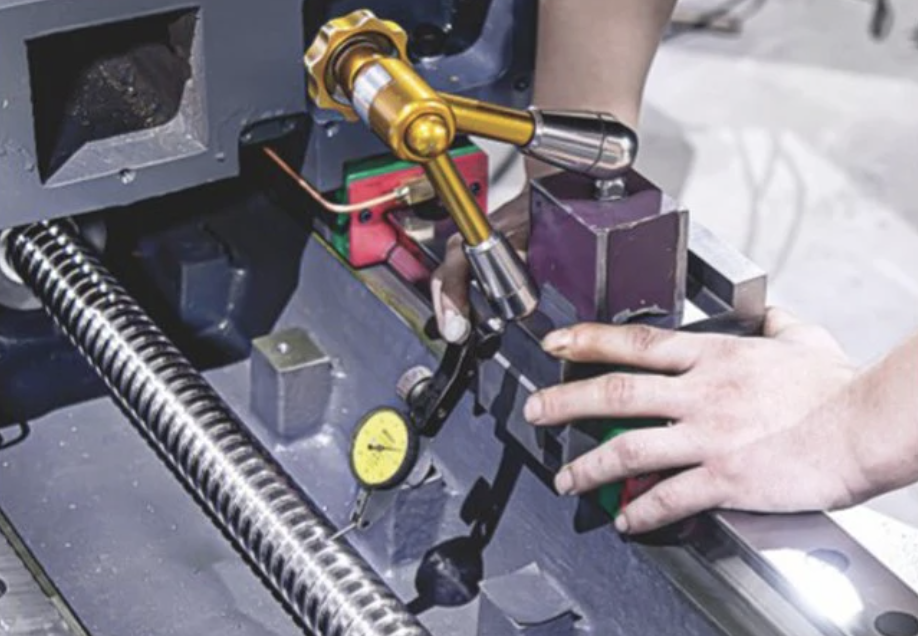
Poor surface finish, inconsistent dimensions, vibration, or an unexpected stop doesn’t always mean something is wrong with your CNC lathe. Worn tooling, poor workholding, and unsuitable cutting parameters can cause many of the same symptoms.
Common problems and solutions for CNC lathes
How to Choose a CNC Lathe for Shaft Machining: A Guide to Types, Models, Materials, and Machining Capacity